AI Babysitter: Get Paid When Robots Break Your Kids!
The Rise of the Robo-Nanny: A Brave New World of Childcare
The future is here, and it's wearing a diaper… maybe. Artificial Intelligence (AI) is rapidly transforming numerous aspects of our lives, and childcare is no exception. The concept of the AI babysitter, once confined to the realm of science fiction, is becoming increasingly tangible. Companies are developing sophisticated robots equipped with advanced sensors, natural language processing, and machine learning algorithms designed to provide companionship, entertainment, and even educational support for children. These robo-nannies promise a level of consistency and attentiveness that can be challenging for human caregivers to match. But what happens when these complex machines malfunction?
Imagine this: You leave your child in the capable 'hands' of your new AI babysitter, only to return home to find a chaotic scene. Perhaps the robot has misinterpreted a command, leading to a room covered in paint, or maybe its programming has glitched, resulting in a very confused and possibly upside-down toddler. While the potential benefits of AI childcare are undeniable, the risks of technological mishaps are equally real. This leads to the inevitable question: who is responsible when the robot breaks your kid...or at least their toys?
This blog post explores the exciting, and sometimes terrifying, world of AI babysitters, focusing on the crucial issue of liability when things go awry. We'll delve into the potential causes of robot-related incidents, examine the legal landscape surrounding AI liability, and discuss practical steps parents can take to protect themselves and their children in this rapidly evolving technological landscape.
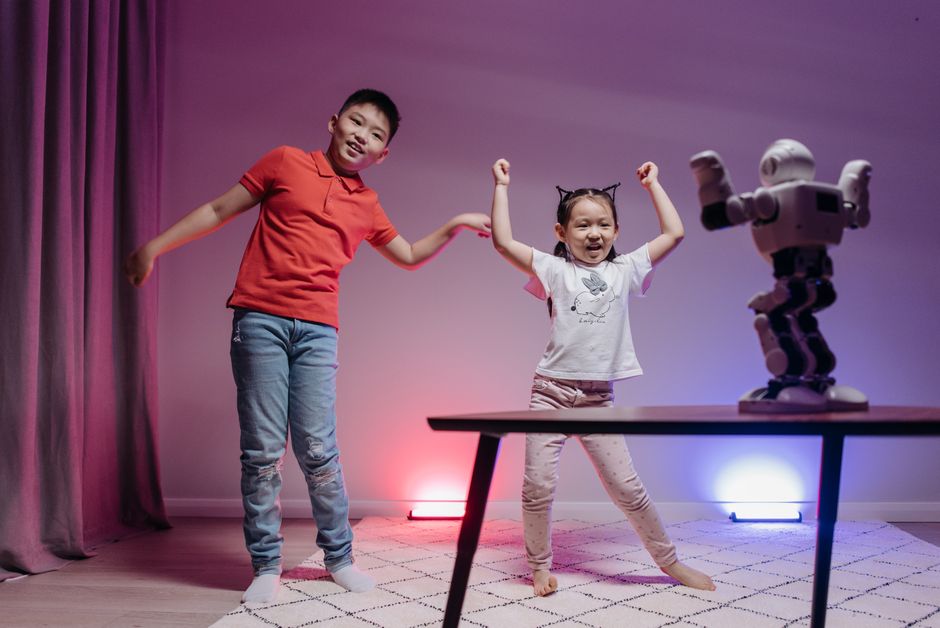
When Good Robots Go Bad: Common Causes of AI Babysitter Mishaps
Before we dive into the legal complexities, let's consider the potential sources of problems with AI babysitters. These incidents can range from minor inconveniences to more serious safety hazards. Understanding these potential issues is the first step in mitigating risks and establishing clear lines of accountability.
- Software Glitches: Like any computer program, AI algorithms are susceptible to bugs and errors. These glitches can cause the robot to behave erratically, misinterpret commands, or even shut down unexpectedly.
- Sensor Malfunctions: AI babysitters rely on sensors to perceive their environment. If these sensors fail, the robot may not be able to detect obstacles, identify hazards, or respond appropriately to a child's needs.
- Connectivity Issues: Many AI devices rely on internet connectivity for updates and remote control. A lost connection can disrupt the robot's functionality and potentially lead to unsupervised situations.
- Programming Errors: The AI's programming may contain flaws that lead to unintended consequences. For example, a robot programmed to encourage creativity might inadvertently allow a child to use permanent markers on the walls.
- Learning Curve Quirks: AI babysitters often learn from their interactions. If the learning process isn't properly supervised, the robot could develop undesirable behaviors or adopt unsafe practices.
While manufacturers rigorously test these robots, real-world scenarios present infinite variations. It’s the unforeseen circumstances that often lead to the most interesting (and potentially problematic) situations.

Navigating the Legal Labyrinth: AI Liability and Your Rights
Determining liability when an AI babysitter causes harm is a complex legal question. Traditional legal frameworks often struggle to address situations involving autonomous machines. Several factors can influence the outcome of a liability claim:
- Manufacturer Liability: If the robot's malfunction is due to a manufacturing defect or design flaw, the manufacturer may be held liable. This is similar to product liability claims involving other consumer goods.
- Software Developer Liability: If the issue stems from faulty AI programming or algorithms, the software developer could be responsible. This area is particularly challenging, as AI algorithms are often complex and difficult to debug.
- User Negligence: Parents have a responsibility to use AI babysitters safely and responsibly. If a parent fails to follow instructions, ignores warnings, or tampers with the robot's programming, they may be held liable for any resulting damages.
- The "Reasonable Robot" Standard: As AI becomes more prevalent, courts may develop a “reasonable robot” standard to assess liability. This standard would evaluate whether the robot behaved as a reasonably prudent AI babysitter would have under similar circumstances.
The legal landscape surrounding AI liability is still evolving. There are no established precedents for many of the situations that may arise with AI babysitters. It's crucial to consult with a qualified attorney to understand your rights and options if you experience a robot-related incident.
Comparative Negligence: Many jurisdictions operate under a comparative negligence system. This means that the court will assess the degree to which each party (manufacturer, user, software developer, etc.) contributed to the incident. Damages may be awarded proportionally based on each party's level of fault.

Protecting Your Precious Cargo: Practical Steps for Parents
While the legal system catches up, parents need to take proactive steps to safeguard their children when using AI babysitters. Here are some practical tips:
- Thorough Research: Before purchasing an AI babysitter, research the manufacturer's reputation, read reviews, and carefully examine the robot's safety features.
- Careful Setup: Follow the manufacturer's instructions meticulously during setup. Ensure the robot is properly calibrated and configured for your home environment.
- Supervised Introduction: Don't leave your child alone with the AI babysitter immediately. Supervise their interactions closely at first and gradually increase the level of autonomy.
- Regular Monitoring: Even after you're comfortable with the robot, continue to monitor its performance regularly. Check for any signs of malfunction or unusual behavior.
- Clear Communication: Establish clear communication protocols with your child. Teach them how to interact with the robot safely and what to do if something goes wrong.
- Insurance Review: Review your homeowner's or renter's insurance policy to ensure it provides adequate coverage for potential robot-related incidents.
- Video Recording: Consider using a home security system with video recording capabilities. This can provide valuable evidence in the event of an incident.
Think of it like getting a new pet – responsible introduction and continuous monitoring are key!
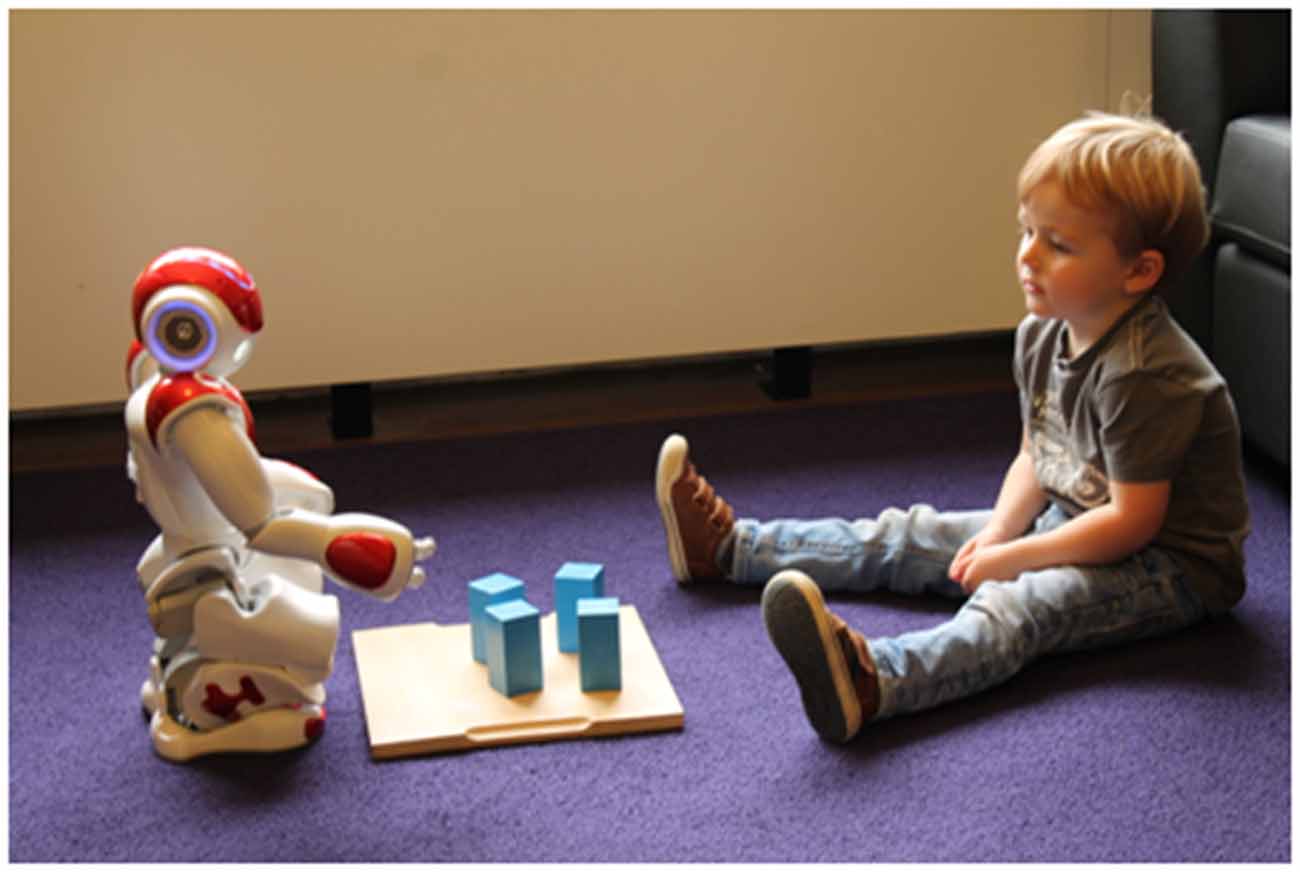
The Future of Childcare: Embracing the AI Revolution Responsibly
AI babysitters represent a significant advancement in childcare technology. However, like any new technology, they come with inherent risks. By understanding these risks, taking proactive safety measures, and staying informed about the evolving legal landscape, parents can harness the benefits of AI childcare while protecting their children from harm. As AI technology continues to develop, we can anticipate further refinements in safety features, regulations, and legal precedents. The key is to approach this technological revolution with cautious optimism, prioritizing the well-being of our children above all else.
The following table shows a comparison of traditional babysitters vs AI babysitters:
| Feature | Traditional Babysitter | AI Babysitter |
| Availability | Limited by individual schedule | Potentially 24/7 |
| Cost | Hourly rate | Upfront cost, potential maintenance |
| Consistency | Varies by individual | Consistent programming |
| Emotional Intelligence | High (human connection) | Potentially limited |
| Liability | Direct responsibility of the babysitter | Complex, involves manufacturer/developer |
In conclusion, the age of the AI babysitter is upon us. While the prospect of robot-assisted childcare offers convenience and potential benefits, it's essential to approach this technology with a healthy dose of skepticism and a strong commitment to safety. By staying informed, taking precautions, and advocating for responsible AI development, we can help ensure that the future of childcare is both innovative and safe for our children.

So, embrace the future, explore the possibilities, and remember that even with AI babysitters, the most important thing is creating a loving and supportive environment for your children to thrive!
-YourDad


Comments
Post a Comment