AI Predicts: Get Paid When Your Sleep Suffers - Reverse 'Work From Bed'!
AI Predicts: The Rise of Sleep-Based Compensation
For years, the mantra has been optimizing sleep for productivity. Now, Artificial Intelligence (AI) is suggesting a paradigm shift: compensating individuals when their sleep is negatively impacted due to work-related factors. This concept, driven by advancements in sleep tracking technology and sophisticated algorithms, proposes a 'reverse work from bed' scenario where disrupted sleep leads to financial remuneration. Imagine getting paid for every sleepless night caused by demanding projects, stressful deadlines, or even company-mandated late-night emails. While it sounds like science fiction, the convergence of AI, wearable technology, and evolving work culture is making it increasingly plausible.
This shift is fueled by a growing awareness of the importance of sleep for overall well-being and cognitive function. Numerous studies have demonstrated a direct correlation between sleep deprivation and decreased productivity, increased error rates, and adverse health outcomes. Employers are beginning to understand that neglecting employee sleep not only harms individual well-being but also negatively impacts the bottom line. By leveraging AI to monitor and compensate for sleep disruptions, companies can potentially improve employee morale, reduce burnout, and foster a healthier, more sustainable work environment.

The Technology Behind Sleep Compensation
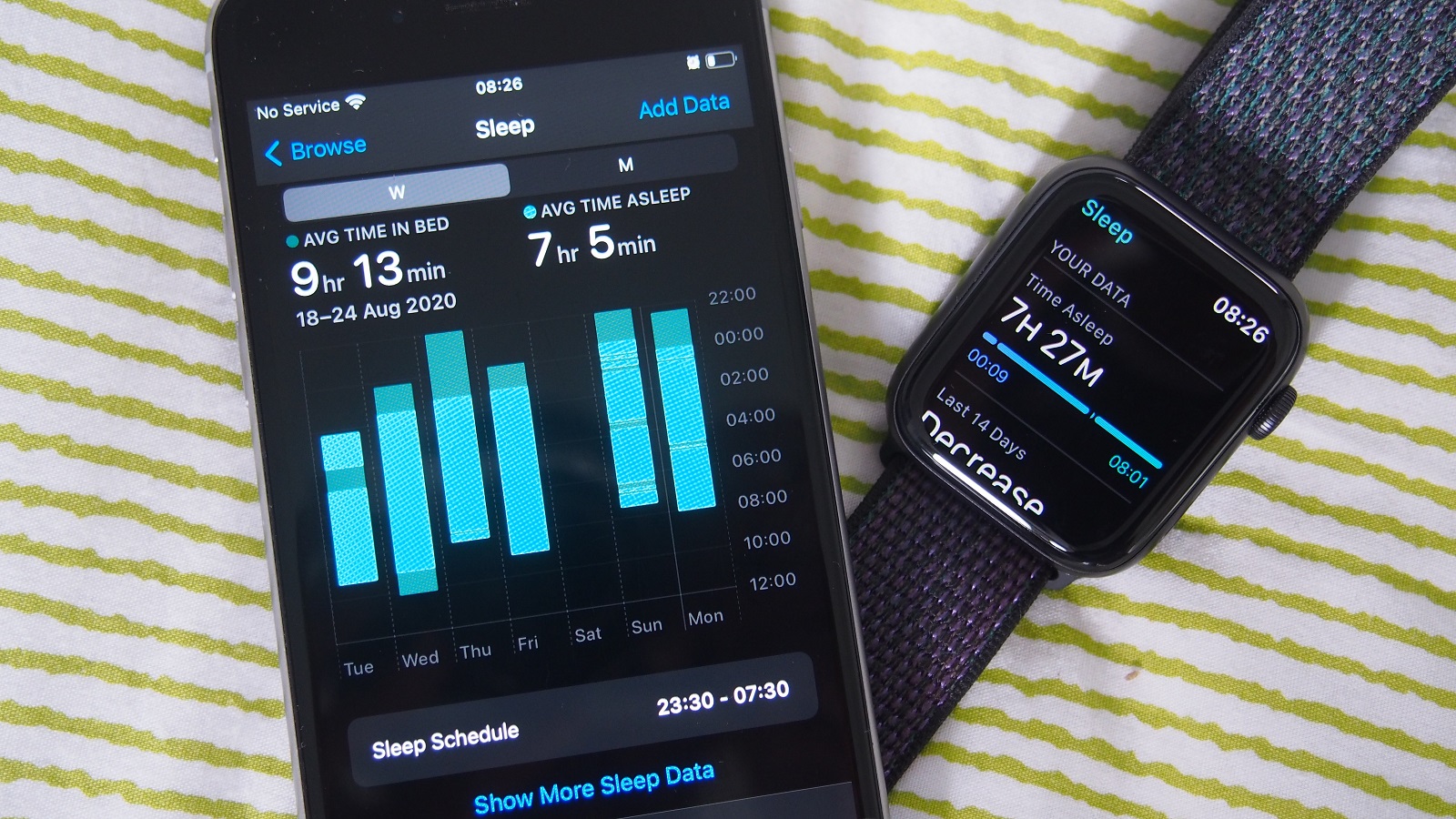
The foundation of this system lies in the accuracy and accessibility of modern sleep tracking technology. Wearable devices like Fitbits, Apple Watches, and dedicated sleep trackers have become increasingly sophisticated in their ability to monitor sleep patterns, including sleep duration, sleep stages (light, deep, REM), and sleep quality metrics like heart rate variability and movement. These devices generate vast amounts of data that can be analyzed by AI algorithms to identify deviations from an individual's baseline sleep patterns.
AI algorithms, particularly those based on machine learning, play a crucial role in interpreting the data and determining the cause of sleep disruptions. By correlating sleep data with work schedules, email activity, project deadlines, and other relevant factors, AI can identify patterns and attribute sleep loss to specific work-related stressors. This allows for a more objective and data-driven approach to sleep compensation, moving away from subjective self-reporting and towards a more reliable and verifiable system. Furthermore, apps like Sleep Cycle alarm clock use sound analysis to determine sleep quality.
How the 'Reverse Work From Bed' System Would Function
The implementation of a sleep compensation system would likely involve a multi-faceted approach:
- Data Collection: Employees would opt-in to share their sleep data from wearable devices or sleep tracking apps with their employer.
- AI Analysis: AI algorithms would analyze the sleep data, correlating it with work-related factors to identify instances of sleep disruption caused by work demands.
- Compensation Calculation: A pre-determined compensation rate, based on the severity and duration of sleep loss, would be calculated.
- Payment or Benefits: Compensation could be provided in the form of monetary payments, extra vacation days, wellness benefits, or other forms of remuneration.
The specific details of the system would vary depending on the company and industry, but the core principle remains the same: to recognize and compensate employees for sleep sacrifices made in the line of duty. It's worth noting that existing laws around working hours and overtime may need to be updated to fully accommodate and regulate this new form of compensation.

Potential Benefits and Drawbacks
The 'reverse work from bed' concept offers several potential benefits:
- Improved Employee Well-being: Recognizing and compensating for sleep loss can reduce stress and improve overall well-being.
- Increased Productivity: Well-rested employees are more productive and less prone to errors.
- Enhanced Employee Morale: A company that values employee sleep demonstrates a commitment to employee health and well-being, boosting morale and loyalty.
- Reduced Burnout: By acknowledging and addressing the impact of work on sleep, companies can help prevent employee burnout.
However, there are also potential drawbacks to consider:
- Privacy Concerns: Sharing sleep data with employers raises privacy concerns that need to be addressed through clear policies and data security measures.
- Gaming the System: Employees might be tempted to manipulate their sleep data to receive unwarranted compensation.
- Implementation Challenges: Developing accurate and reliable AI algorithms and establishing fair compensation rates can be complex.
- Potential for Discrimination: Ensuring that the system is applied fairly and does not discriminate against individuals with pre-existing sleep disorders is crucial.
Below is a table summarizing these benefits and drawbacks:
| Benefits | Drawbacks |
| Improved Employee Well-being | Privacy Concerns |
| Increased Productivity | Gaming the System |
| Enhanced Employee Morale | Implementation Challenges |
| Reduced Burnout | Potential for Discrimination |

The Ethical Considerations
Implementing a sleep compensation system raises several ethical questions. Who is responsible for determining the causality between work and sleep disruption? How can we ensure that the system is fair and equitable for all employees, regardless of their sleep habits or pre-existing conditions? How do we prevent employers from using the system as a way to pressure employees into working longer hours, knowing that they will be compensated for sleep loss?
These questions require careful consideration and the development of ethical guidelines and regulations to ensure that the system is used responsibly and does not exploit employees. Transparency, data privacy, and employee consent are paramount. It's also important to establish clear mechanisms for dispute resolution and appeals to address situations where employees believe they have been unfairly denied compensation.

The Future of Work and Sleep
The 'reverse work from bed' concept is still in its early stages, but it represents a significant shift in how we think about work, sleep, and employee well-being. As AI technology continues to advance and our understanding of the importance of sleep grows, we can expect to see more companies exploring innovative ways to address the impact of work on sleep. This could include not only compensation for sleep loss but also proactive measures to promote better sleep habits, such as flexible work schedules, dedicated nap rooms, and access to sleep specialists.
Ultimately, the goal is to create a work environment that values and prioritizes employee well-being, recognizing that sleep is not a luxury but a fundamental requirement for optimal performance and overall health. The 'reverse work from bed' concept may seem radical today, but it could become a standard practice in the future as companies strive to create a more sustainable and human-centric work culture.
In conclusion, while the widespread adoption of this AI-driven compensation model may still be some time away, the underlying principles highlight a growing recognition of the critical link between sleep and productivity. By acknowledging and addressing the impact of work on sleep, companies can foster a healthier, more engaged, and ultimately more successful workforce.

So, embrace the future of sleep-aware compensation, and remember to prioritize your well-being as you navigate this exciting new landscape!
-YourDad


Comments
Post a Comment