Reverse "Thrift Store Time Machine": Get Paid to Recreate Your Childhood Home!
Reverse "Thrift Store Time Machine": Get Paid to Recreate Your Childhood Home!
Remember the warm, fuzzy feeling of walking into your childhood home? The familiar scent, the quirky décor, the unmistakable sense of belonging? What if you could not only relive those memories but also get paid to recreate that nostalgic haven? Enter the "Reverse Thrift Store Time Machine" – a growing trend that combines the thrill of thrifting with the lucrative potential of interior design and content creation.
This isn't just about hoarding vintage furniture; it's about curating a specific aesthetic, documenting the process, and sharing your journey with the world. Whether you're a seasoned thrifter or a design novice, this guide will walk you through the steps of turning your nostalgic vision into a profitable venture.
So, buckle up, dust off your rose-tinted glasses, and let's dive into the exciting world of recreating your childhood home – and getting paid for it!

Step 1: Nostalgia Mining – Unearthing Your Childhood Memories
Before you even set foot in a thrift store, the most crucial step is to excavate your memories. What specific details made your childhood home unique? Don't just think about the big pieces of furniture; focus on the smaller details that truly capture the essence of the era and your family's personality. Here's how to get started:
- Photo Albums and Home Videos: These are goldmines! Pay close attention to the background details – the wallpaper patterns, the knick-knacks on the shelves, the colors of the curtains.
- Family Interviews: Talk to your parents, siblings, and other relatives. Ask them about their favorite pieces of furniture, the stories behind certain objects, and any specific design choices that were made.
- Sensory Recall: What did your childhood home smell like? Was it the scent of freshly baked cookies, potpourri, or a specific type of cleaning product? What sounds do you associate with the space – the ticking of a grandfather clock, the crackling of a fireplace, or a particular song playing on the radio?
Create a detailed mood board or a written inventory of all the elements you want to recreate. The more specific you are, the easier it will be to find the right items at thrift stores and online marketplaces.

Step 2: Thrift Store Safari – Hunting for Vintage Treasures
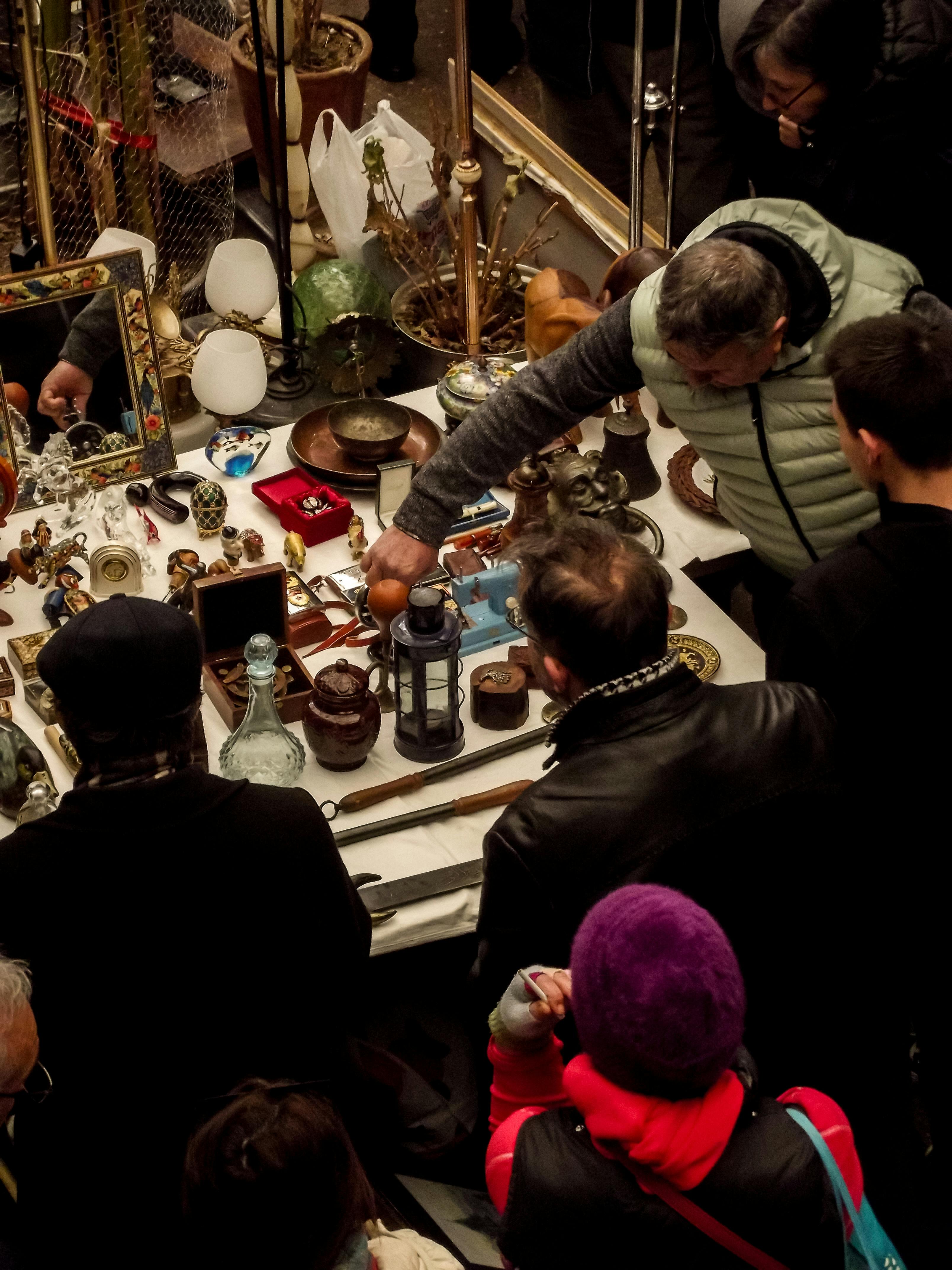
Now for the fun part: the thrift store hunt! This requires patience, persistence, and a keen eye for detail. Here are some tips for maximizing your chances of success:
- Plan Your Route: Research thrift stores, antique shops, flea markets, and estate sales in your area. Create a route that allows you to visit multiple locations in a single day.
- Go Early and Often: The best items often get snatched up quickly, so try to visit thrift stores early in the morning and on weekdays when they're less crowded.
- Be Prepared to Dig: Thrift stores can be chaotic and disorganized, so be prepared to sift through piles of clothing and rummage through dusty shelves.
- Know Your Measurements: Bring a tape measure and take careful measurements of any furniture you're considering buying. Make sure it will fit in your space and complement your existing décor.
- Inspect Carefully: Check for damage, stains, and other imperfections. Don't be afraid to negotiate the price if you find something that needs repair.
Don't limit yourself to physical stores. Online marketplaces like eBay, Etsy, and Facebook Marketplace can be excellent sources for vintage and secondhand items. Use specific keywords in your searches to narrow down your results (e.g., "mid-century modern coffee table," "vintage floral wallpaper," "1970s shag rug").
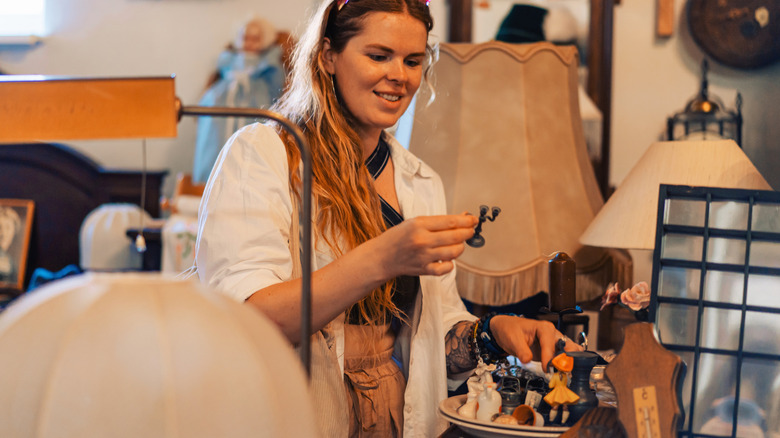
Step 3: The Makeover Magic – Restoring and Styling Your Finds
Once you've acquired your vintage treasures, it's time to bring them back to life! This may involve cleaning, repairing, and restyling your finds to match the aesthetic of your childhood home. Here are some common makeover tasks:
- Cleaning: Thoroughly clean all your items with appropriate cleaning products. For delicate items like vintage fabrics or antique furniture, consider hiring a professional cleaner.
- Repairing: Fix any broken parts, tighten loose screws, and replace damaged hardware. Basic DIY skills can come in handy here, but don't hesitate to seek professional help for more complex repairs.
- Refinishing: Consider refinishing furniture to restore its original luster or to match the color scheme of your childhood home.
- Upholstering: Give old chairs and sofas a new lease on life by reupholstering them with vintage-inspired fabrics.
Styling is just as important as restoration. Arrange your furniture and décor in a way that evokes the feeling of your childhood home. Pay attention to details like the placement of lamps, the arrangement of photos on the walls, and the layering of textiles.
| Item | Typical Thrift Store Cost | Estimated Restoration Cost |
|---|---|---|
| Vintage Armchair | $20 - $50 | $50 - $150 (reupholstering) |
| Mid-Century Modern Coffee Table | $30 - $70 | $20 - $50 (refinishing) |
| Vintage Lamp | $10 - $30 | $5 - $20 (rewiring, new shade) |

Step 4: Content Creation – Sharing Your Nostalgic Journey
This is where the "get paid" part comes in! Document your entire process – from the initial nostalgia mining to the final styling – and share it with the world through various content platforms. Here are some ideas:
- Blog Posts: Write detailed blog posts about your experiences, sharing tips, tricks, and insights along the way.
- Social Media: Create engaging content for platforms like Instagram, TikTok, and Pinterest. Use high-quality photos and videos to showcase your finds and your makeover process. Use relevant hashtags to reach a wider audience (e.g., #vintagedecor, #thriftstorefinds, #childhoodhome, #nostalgia).
- YouTube Videos: Create video tutorials, before-and-after transformations, and vlogs documenting your thrifting adventures.
- Podcast: Share your stories, tips, and interviews with other vintage enthusiasts on a podcast.
Monetize your content through various methods, such as:
- Advertising: Display ads on your blog or YouTube channel. Google AdSense is a popular option.
- Affiliate Marketing: Promote products from relevant brands and earn a commission on sales. Amazon Associates is a well-known affiliate program.
- Sponsored Content: Partner with brands to create sponsored posts, videos, or podcasts.
- Digital Products: Create and sell digital products, such as e-books, online courses, or design templates.
- Patreon/Ko-fi: Allow your audience to directly support your work through platforms like Patreon or Ko-fi.

Step 5: Building Your Brand – Cultivating a Nostalgic Community
To truly succeed in the "Reverse Thrift Store Time Machine" trend, you need to build a strong brand and cultivate a loyal community. This means consistently creating high-quality content, engaging with your audience, and establishing yourself as an authority in the vintage and nostalgia space. Here are some tips:
- Find Your Niche: Focus on a specific era or style of vintage décor. This will help you attract a more targeted audience and stand out from the competition.
- Be Authentic: Share your personal stories and experiences. Let your audience see your personality and connect with you on a deeper level.
- Engage with Your Audience: Respond to comments, answer questions, and participate in online discussions. Show your audience that you value their input.
- Collaborate with Others: Partner with other vintage enthusiasts, designers, and content creators. This will help you reach a wider audience and build valuable relationships.
- Stay Consistent: Regularly publish new content to keep your audience engaged and coming back for more.
Consider creating a website or online store to showcase your work and sell your vintage finds. Use a platform like Shopify or Squarespace to easily create a professional-looking website.
Step 6: Legal and Ethical Considerations – Thrifting Responsibly
Before you fully immerse yourself in the world of vintage thrifting, it's important to be aware of the legal and ethical considerations involved. Here are some key points to keep in mind:
- Copyright and Trademark: Be careful not to infringe on any copyrights or trademarks when using vintage images, logos, or designs.
- Fair Pricing: Price your items fairly and transparently. Be honest about the condition of your items and any repairs that have been made.
- Sustainability: Promote sustainable practices by encouraging reuse and recycling. Avoid buying items that are in poor condition or that are likely to end up in a landfill.
- Authenticity: Be honest about the authenticity of your vintage items. If you're not sure about the origin or age of an item, disclose that information to your customers.
- Permissions: Respect intellectual property rights when using music, images, or videos in your content. Obtain the necessary licenses or permissions before using copyrighted material.
By following these guidelines, you can ensure that you're thrifting responsibly and ethically, while also protecting yourself from legal issues. Remember, the goal is to celebrate the past while building a sustainable and responsible future.
The "Reverse Thrift Store Time Machine" is more than just a trend; it's a way to reconnect with your past, express your creativity, and build a profitable business. So, embrace the nostalgia, unleash your inner designer, and start turning your childhood memories into a rewarding venture!
Good luck, and happy thrifting!

So, dust off those memories, get creative, and get ready to turn your nostalgic vision into a profitable and heartwarming reality!
-YourDad


Comments
Post a Comment