AI Predicts: Get Paid When Robots Make Terrible Art!
AI Art: A Brave New (and Sometimes Terrible) World
Artificial intelligence is rapidly transforming the art world. From AI-generated paintings selling for hundreds of thousands of dollars to tools that allow anyone to create unique images with a simple text prompt, the possibilities seem endless. But as with any new technology, there are bound to be hiccups. AI, despite its impressive capabilities, still makes mistakes – sometimes hilarious, sometimes unsettling, but often fixable. And that's where you come in. Believe it or not, there are emerging opportunities to actually get paid when robots create truly terrible art.
The key lies in the fact that AI models need constant training and refinement. To improve, they need to learn from their mistakes. This learning process often involves human feedback – identifying flaws, correcting errors, and providing guidance. Companies and platforms developing AI art tools are increasingly willing to compensate individuals who can help them improve their algorithms. This creates a fascinating intersection of art, technology, and the potential for a new income stream.
So, how exactly can you capitalize on the age of AI art gone wrong? Let’s explore some avenues.

Identifying AI Art Fails: What to Look For
Before you can start earning from AI art errors, you need to know what to look for. AI-generated images, while often impressive, can exhibit a range of flaws. These can stem from limitations in the training data, algorithmic biases, or simply the inherent challenges of replicating human creativity. Here are some common issues:
- Anatomical oddities: Extra limbs, distorted features, or impossible body proportions are frequent occurrences.
- Contextual inconsistencies: Objects appearing out of place, illogical arrangements, or elements that don't fit the scene's narrative.
- Textual errors: AI often struggles with generating coherent text. Look for gibberish, misspelled words, or nonsensical phrases.
- Stylistic clashes: Inconsistent art styles within a single image or elements that clash visually.
- Unnatural textures and lighting: AI-generated textures can sometimes appear artificial or lack the nuances of real-world materials. Lighting may be inconsistent or unnatural.
By developing a keen eye for these types of errors, you'll be well-positioned to identify and report AI art fails effectively.

Platforms That Pay: Where to Find Opportunities
Several platforms and projects are actively seeking individuals to help identify and correct AI art errors. While the landscape is still evolving, here are a few avenues to explore:
- AI Training Data Companies: Companies that specialize in creating training datasets for AI models often hire human annotators to label and correct AI-generated content. Search for opportunities with companies like Scale AI or Labelbox.
- Crowdsourcing Platforms: Platforms like Amazon Mechanical Turk (MTurk) and Prolific Academic often host tasks related to AI data validation. While the pay per task might be relatively low, it can be a good way to get started.
- Specific AI Art Generators: Some AI art platforms are directly incentivizing users to provide feedback. Keep an eye out for bug bounty programs or feedback initiatives from companies like Midjourney, DALL-E 2 (from OpenAI), and Stable Diffusion (Stability AI). These companies often rely on user input to refine their models and improve image quality.
- Freelance Marketplaces: Sites like Upwork and Fiverr may occasionally feature gigs related to AI data annotation or quality control.
Remember to carefully research any platform before committing your time. Look for reviews and testimonials to ensure the platform is legitimate and offers fair compensation.

Examples of Real-World AI Art Errors and Their Value
To illustrate the potential value of identifying AI art errors, let's look at some real-world examples and how they can be monetized:
| Error Type | Description | Potential Value |
|---|---|---|
| Anatomical Errors | A generated image of a dog with seven legs. | Reporting this to an AI training data company could earn you a small payment (e.g., $0.05 - $0.20). Identifying and correcting a batch of similar errors could add up. |
| Text Generation Failures | An AI attempts to generate a banner ad but produces nonsensical text. | Highlighting this issue to the AI platform might qualify you for a bug bounty (amounts vary significantly depending on the platform's policy). |
| Contextual Inconsistencies | An image depicts a beach scene with snow-covered palm trees. | Providing feedback on this logical inconsistency can help improve the AI's understanding of the world and potentially earn you points or rewards on the platform. |
The value of each identified error might seem small individually, but the cumulative effect can be significant. By consistently identifying and reporting flaws, you can contribute to the improvement of AI art models while earning a supplemental income.

Tips for Maximizing Your Earnings
To maximize your earnings in the world of AI art error detection, consider the following tips:
- Specialize: Focus on a particular type of AI art error (e.g., anatomical anomalies, textual inaccuracies). Specialization can make you more efficient and valuable.
- Be Detail-Oriented: Pay close attention to detail and develop a systematic approach to identifying flaws.
- Use Annotation Tools Effectively: Learn how to use annotation tools provided by the platforms you're working on. Proper annotation is crucial for providing clear and actionable feedback.
- Stay Up-to-Date: Keep abreast of the latest advancements in AI art and the types of errors that are commonly encountered.
- Build a Portfolio: If you're serious about pursuing this as a career, consider building a portfolio of your work. This can showcase your skills to potential clients.
By following these tips, you can increase your efficiency, improve the quality of your feedback, and ultimately maximize your earnings.

The Future of AI Art and Human Collaboration
The collaboration between humans and AI in the art world is still in its early stages, but it holds immense potential. As AI models become more sophisticated, the line between human and machine creativity will continue to blur. However, human oversight and feedback will remain crucial for ensuring the quality, accuracy, and ethical implications of AI-generated art.
The opportunity to get paid for identifying AI art errors is just one example of how humans can play a vital role in shaping the future of AI. By contributing your skills and expertise, you can help improve AI models, ensure they are used responsibly, and potentially earn a supplemental income along the way. It's a win-win situation that benefits both humans and machines.
So, embrace the age of AI art, but don't be afraid to point out the flaws. Your critical eye could be more valuable than you think!
If you are interested in AI and machine learning, you might also consider exploring other areas where your skills can be applied, such as:
- Data labeling and annotation for other AI applications (e.g., self-driving cars, medical imaging).
- AI ethics and bias detection.
- AI model evaluation and testing.
The field of AI is constantly evolving, and there are countless opportunities for individuals with a passion for technology and a keen eye for detail.
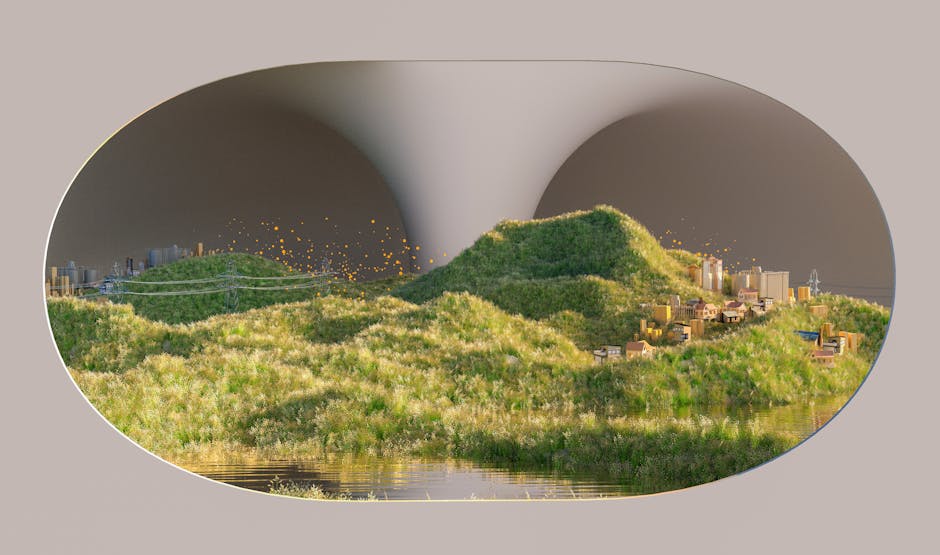
So, embrace the chaos, trust your eye, and get ready to profit from the wonderfully weird world AI is creating!
-YourDad


Comments
Post a Comment