Temu's $3 Aquarium Gravel: From Leaky Bucket Bottoms to Stunning Substrate Art!
Temu's Tempting Treasure: Aquarium Gravel for Pocket Change
The allure of a bargain is undeniable, especially when it comes to hobbies like aquascaping, which can quickly become an expensive endeavor. Enter Temu, the online marketplace known for its incredibly low prices. One item that has caught the eye of many aquarium enthusiasts is their aquarium gravel, often priced around a mere $3. But is this gravel a hidden gem or a potential hazard for your aquatic ecosystem? Let's dive in and investigate!
Many seasoned aquarists approach such deals with caution, and rightfully so. The health and well-being of your fish and plants depend on the quality of the materials you introduce into their environment. Cheap gravel might contain unwanted chemicals, affect water parameters negatively, or simply break down too quickly, leading to cloudy water and an unstable ecosystem. However, with careful research and proper preparation, Temu's aquarium gravel *could* be a viable option for budget-conscious aquascapers.
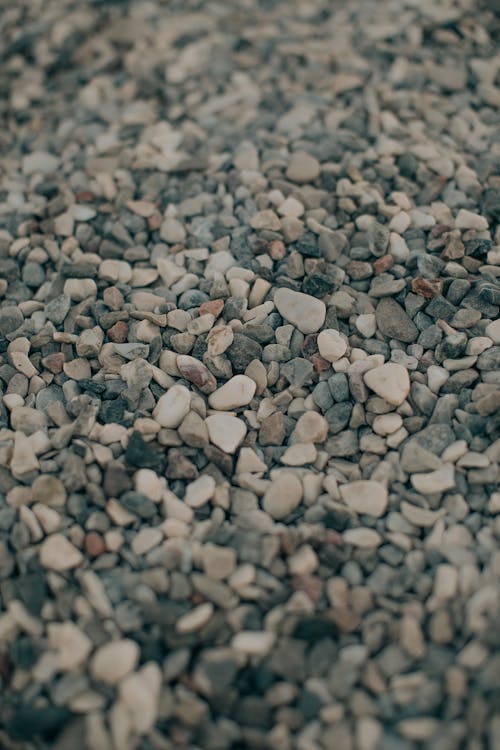
The Good, The Bad, and The Gravelly: Potential Pros and Cons
Before you rush to fill your virtual cart, let's weigh the potential advantages and disadvantages of purchasing aquarium gravel from Temu:
- Potential Pros:
- Affordability: This is the most obvious advantage. The low price point allows you to save money on substrate, freeing up your budget for other essential aquarium equipment.
- Variety: Temu often offers a wide range of colors and sizes, allowing for creative aquascaping possibilities.
- Accessibility: Easy to order online and delivered directly to your door.
- Potential Cons:
- Unknown Composition: The exact materials used to create the gravel may not be clearly stated, raising concerns about potential toxins or unwanted chemicals.
- Dust and Debris: Cheaper gravel is often not properly cleaned, leading to excessive dust and debris that can cloud your aquarium water.
- Impact on Water Parameters: Some gravel can alter your water's pH or hardness, which can be detrimental to certain fish and plants.
- Durability: Low-quality gravel may break down quickly, creating more maintenance work for you.
Ultimately, the decision of whether or not to use Temu's aquarium gravel hinges on your willingness to take precautions and thoroughly research the product before introducing it to your tank. Don't blindly trust the low price; prioritize the health of your aquatic inhabitants.
Testing the Waters: Essential Prep Before You Plunge In
If you decide to take the plunge and purchase aquarium gravel from Temu, proper preparation is absolutely crucial. Here's a step-by-step guide to minimize potential risks:
- Thorough Rinsing: This is non-negotiable. Rinse the gravel extensively under running water until the water runs clear. This will remove loose dust, debris, and any potential surface contaminants. A large bucket and a garden hose are your best friends here.
- pH Testing: Place a sample of the rinsed gravel in a container of dechlorinated water. After 24 hours, test the pH of the water. If the pH has changed significantly (more than 0.2 points), the gravel may not be suitable for your desired aquarium setup. Consider gravel known to be pH neutral, like quartz.
- Visual Inspection: Carefully examine the gravel for any sharp edges or unusual particles. Remove any pieces that look suspicious or potentially harmful to your fish.
- Small-Scale Test: If you're still unsure, set up a small test tank or container with the gravel and monitor the water parameters (pH, ammonia, nitrite, nitrate) over a week. This will give you a better idea of how the gravel interacts with the water.
Remember, patience is key. Rushing the preparation process can lead to disastrous consequences for your aquarium.

Gravel Grades: Understanding Particle Size and Its Impact
The size of the gravel particles also plays a crucial role in the health of your aquarium. Different particle sizes are suitable for different purposes and types of aquariums:
| Gravel Size | Typical Uses and Considerations |
|---|---|
| Fine Gravel (1-3mm) | Suitable for planted tanks, as it allows plant roots to easily penetrate. Can become compacted over time, potentially leading to anaerobic zones. |
| Medium Gravel (3-5mm) | A good all-around choice for most community tanks. Provides adequate surface area for beneficial bacteria and allows for decent water circulation. |
| Coarse Gravel (5-8mm) | Best suited for larger fish that produce a lot of waste. Allows for excellent water circulation and prevents compaction. May not be ideal for delicate plant roots. |
Consider the needs of your specific fish and plants when selecting the appropriate gravel size. If you're unsure, medium-sized gravel is generally a safe bet.

Beyond the Bottom: Creative Aquascaping Ideas with Budget Gravel
Once you've determined that the gravel is safe and suitable for your aquarium, it's time to get creative! Here are a few aquascaping ideas to inspire you:
- Layered Substrate: Create depth and visual interest by layering different colors and sizes of gravel. Place larger gravel at the bottom and finer gravel on top for a natural look.
- Gravel Paths and Streams: Use gravel to create winding paths or simulated streams within your aquarium. This adds a sense of movement and dimension to your aquascape.
- Gravel Islands: Build small islands of gravel to create focal points and provide hiding places for your fish.
- Contrasting Colors: Use contrasting colors of gravel to highlight specific plants or decorations. For example, place bright green plants against a dark gravel background to make them stand out.
Remember to consider the overall aesthetic you're trying to achieve and choose gravel colors and arrangements that complement your fish and plants. Don't be afraid to experiment and have fun!

The Verdict: Is Temu's $3 Gravel Worth the Risk?
So, is Temu's $3 aquarium gravel a steal or a potential disaster? The answer, as with most things, is nuanced. If you're willing to put in the time and effort to thoroughly research, prepare, and test the gravel, it *could* be a budget-friendly option for your aquarium. However, if you're looking for a hassle-free, guaranteed-safe solution, it's probably best to invest in higher-quality gravel from a reputable aquarium supplier. Your fish will thank you for it!
Ultimately, the decision is yours. Weigh the potential risks and benefits carefully, and prioritize the health and well-being of your aquatic ecosystem above all else.
Before purchasing any product for your aquarium, always read reviews and do your research. Consult with experienced aquarists in online forums or local fish stores for advice. A little bit of due diligence can go a long way in ensuring a healthy and thriving aquarium environment.
So go ahead, unleash your creativity and transform your tank with this surprisingly affordable treasure!
-YourDad


Comments
Post a Comment