Reverse Sound Bath: Embrace Intentional Noise for a Calmer Day
Introduction: Reimagining Sound and Calm
In our increasingly noisy world, the pursuit of silence has become a common quest for tranquility. We seek out quiet spaces, noise-canceling headphones, and even immersive sound baths to escape the cacophony. But what if, instead of running from noise, we could learn to embrace it, to intentionally curate it, and to use it as a tool for focus and calm? This is the concept behind the "reverse sound bath" – a practice that involves consciously introducing specific sounds into your environment to enhance your well-being.
The reverse sound bath isn't about creating more noise; it's about being intentional with the sounds you choose to surround yourself with. It's about shifting your perspective from noise as a distraction to noise as a potential source of focus, creativity, and even relaxation. Think of it as an auditory landscape designed to support your specific needs and goals throughout the day.
This might sound counterintuitive. After all, we're constantly bombarded with unwanted noise – traffic, construction, chattering colleagues. But the key difference lies in the intentionality. By actively selecting and managing the sounds in your environment, you can create a soundscape that is both stimulating and soothing, helping you to navigate the complexities of modern life with greater ease and focus.

Understanding the Science of Sound and Focus
The impact of sound on our brains and bodies is well-documented. Certain sounds can trigger the release of stress hormones like cortisol, while others can promote relaxation and focus. The reverse sound bath leverages these effects by carefully selecting sounds that are known to enhance cognitive function and emotional well-being.
For example, studies have shown that ambient sounds, such as the gentle murmur of a coffee shop or the sound of rain, can improve creativity and focus. These sounds, often referred to as "brown noise," create a subtle level of stimulation that prevents the mind from wandering, without being overly distracting.
The principle behind this is rooted in the concept of stochastic resonance, where the presence of background noise can actually enhance the detection of weak signals. In the context of cognitive function, this means that a moderate level of ambient noise can help you to filter out irrelevant distractions and focus on the task at hand.

Creating Your Personal Reverse Sound Bath
Designing your own reverse sound bath is a personal and experimental process. The ideal sounds will vary depending on your individual preferences, your environment, and the specific tasks you're trying to accomplish. Here are some tips to get you started:
- Identify Your Needs: What are you hoping to achieve with your reverse sound bath? Are you looking to improve focus, reduce stress, boost creativity, or simply create a more pleasant atmosphere?
- Experiment with Different Sounds: Try out a variety of soundscapes, including ambient noise, nature sounds, instrumental music, and even white noise. Pay attention to how each sound affects your mood and concentration levels.
- Use Sound Generators: Numerous apps and websites offer a wide range of ambient sounds and soundscapes. Some popular options include:
- MyNoise: A customizable sound generator with a vast library of sounds.
- Noisly: A curated collection of ambient sounds designed to improve focus and productivity.
- Brain.fm: AI-powered music designed to enhance focus, relaxation, and sleep.
- Control the Volume: The key is to find a volume level that is stimulating but not distracting. Start with a low volume and gradually increase it until you reach a point where you can still easily focus on your work.
- Be Mindful of Your Environment: Consider the existing sounds in your environment. If you're working in a noisy office, you may need to choose sounds that can effectively mask the distractions. If you're working in a quiet space, you may be able to use more subtle sounds.
Here's a table showing some sound ideas for various scenarios:
| Scenario | Sound Suggestions | Benefits |
| Focus & Productivity | Brown noise, coffee shop sounds, instrumental music (e.g., classical, ambient) | Improved concentration, reduced distractions |
| Relaxation & Stress Reduction | Nature sounds (e.g., rain, ocean waves, forest sounds), binaural beats, ambient music | Reduced anxiety, improved mood, enhanced relaxation |
| Creativity & Inspiration | White noise, ambient sounds, instrumental music with a moderate tempo | Stimulated imagination, enhanced creativity, reduced mental fatigue |
| Sleep & Rest | Pink noise, brown noise, nature sounds (e.g., gentle rain, crickets) | Improved sleep quality, reduced sleep latency, enhanced relaxation |

Real-World Applications and Examples
The reverse sound bath can be incorporated into various aspects of your daily life. Here are some practical examples:
- At Work: Use ambient noise or instrumental music to create a more focused and productive work environment. Try using noise-canceling headphones in conjunction with your chosen soundscape to further minimize distractions.
- At Home: Create a relaxing atmosphere by playing nature sounds or ambient music. This can be especially helpful for unwinding after a long day or creating a calming environment for sleep.
- During Travel: Use white noise or pink noise to block out unwanted sounds on planes, trains, or buses. This can help you to relax, sleep, or focus on work during your commute.
- During Meditation: Enhance your meditation practice by incorporating specific sounds that promote relaxation and mindfulness. Try using binaural beats or nature sounds to deepen your meditative state.
Many companies are now recognizing the benefits of soundscapes in the workplace. Some businesses are even incorporating ambient noise generators into their office environments to improve employee focus and productivity. The key is to find a balance between creating a stimulating environment and avoiding distractions.
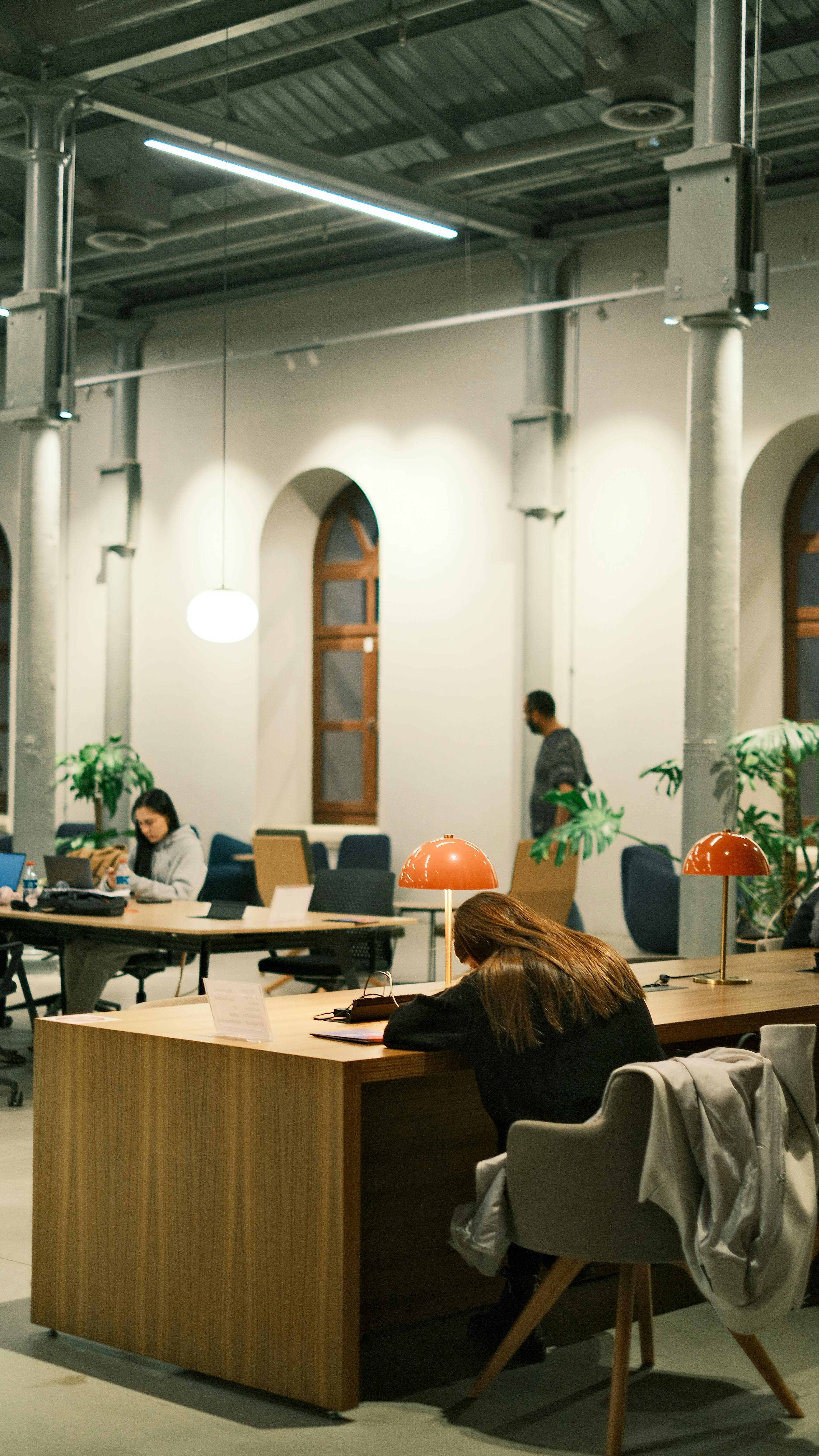
Consider the experience of working in a bustling coffee shop. While the noise level might seem high, the combination of chatter, clinking cups, and the whir of espresso machines can actually create a surprisingly productive atmosphere. This is because the ambient noise provides a subtle level of stimulation that prevents the mind from wandering, without being overly distracting. The reverse sound bath seeks to replicate this effect in a more controlled and intentional way.
Troubleshooting and Fine-Tuning Your Soundscape
Like any new practice, it may take some time to find the perfect reverse sound bath for your individual needs. Here are some common challenges and how to address them:
- Distraction: If you find that the sounds are distracting you, try reducing the volume or switching to a different soundscape. It's important to choose sounds that are both stimulating and soothing, without being overly intrusive.
- Fatigue: If you find that you're experiencing auditory fatigue, take breaks from your soundscape throughout the day. It's important to give your ears and brain a chance to rest and recover.
- Irritability: If you find that certain sounds are making you feel irritable, avoid them altogether. Everyone has different sensitivities to sound, so it's important to be mindful of your own preferences.
- Lack of Focus: If you're still struggling to focus, try combining your reverse sound bath with other focus-enhancing techniques, such as the Pomodoro Technique or mindfulness meditation.
The reverse sound bath is a journey of self-discovery. Don't be afraid to experiment with different sounds and techniques until you find what works best for you. The goal is to create a soundscape that supports your well-being and helps you to thrive in an increasingly noisy world. By embracing intentional noise, you can transform your day and cultivate a greater sense of calm, focus, and creativity.

So, go ahead and curate your own intentional noise playlist and discover the surprising serenity it can unlock!
-YourDad


Comments
Post a Comment