Reverse "Sound Bath": Embrace Intentional Noise for a Calmer Day
Introduction: The Unexpected Path to Calm
In our increasingly noisy world, the idea of seeking calm through more noise might seem counterintuitive. We're constantly bombarded with advice on how to find quiet – meditation apps, noise-canceling headphones, and serene nature retreats are all the rage. But what if the key to finding inner peace lies not in eliminating noise, but in intentionally embracing it? Enter the concept of the "reverse sound bath," a technique that uses curated, controlled noise to achieve a sense of calm and focus.
This isn't about simply tolerating the cacophony of everyday life. It's about actively choosing and shaping your sonic environment to work for you, rather than against you. By understanding how different sounds affect our brains and bodies, we can strategically incorporate noise to enhance productivity, reduce anxiety, and even improve sleep.
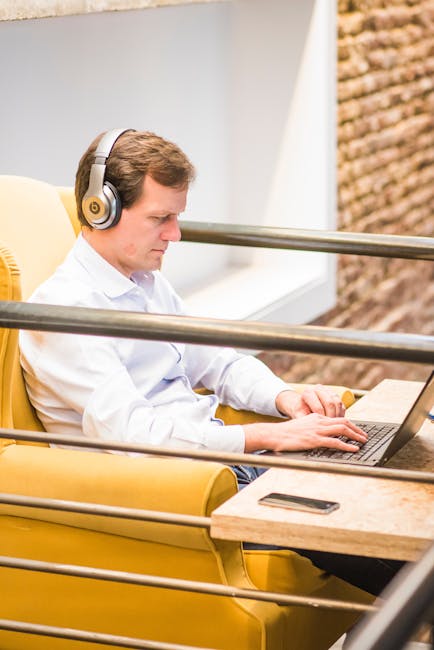
Understanding Sound Baths and Their Reversal
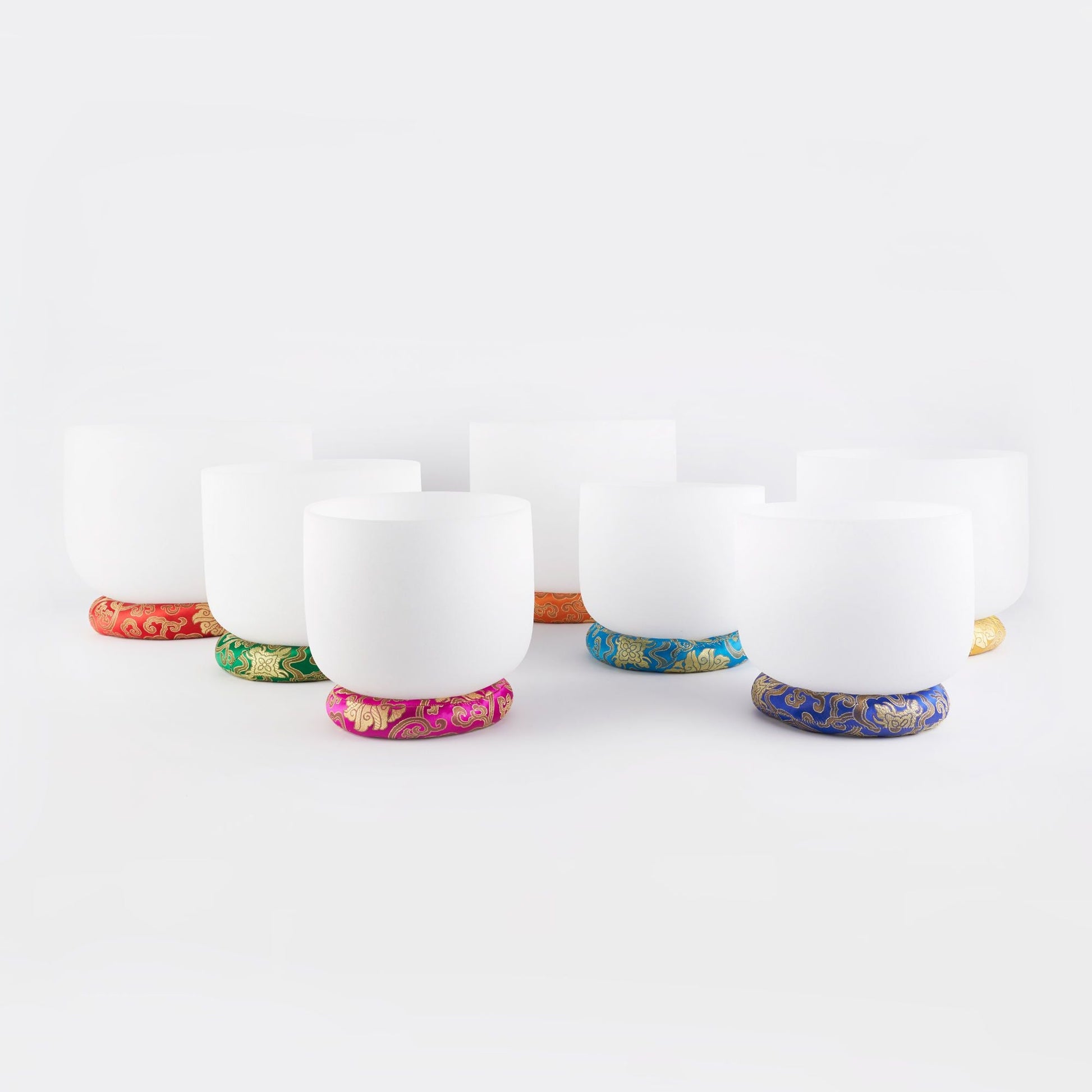
To grasp the concept of a reverse sound bath, it's helpful to first understand the traditional practice. A sound bath involves immersing yourself in the resonant vibrations of instruments like singing bowls, gongs, and chimes. These sounds are carefully chosen for their calming and healing properties, promoting relaxation and reducing stress. The goal is to create a deeply peaceful and restorative experience.
A reverse sound bath, on the other hand, takes a different approach. Instead of seeking complete silence or harmonious tones, it involves intentionally introducing specific types of noise to achieve a desired mental state. This could include white noise, brown noise, nature sounds, or even carefully selected music. The key is to choose sounds that mask distracting noises, promote focus, or create a sense of comfort and security. The goal is not necessarily relaxation, but optimized functionality.
The Science Behind Intentional Noise
The effectiveness of intentional noise isn't just anecdotal; it's backed by scientific research. Studies have shown that certain types of noise can have a profound impact on our brains and bodies.
- White noise, for example, contains all frequencies at equal intensity. This can be effective at masking distracting sounds and creating a more consistent auditory environment. Some studies suggest that white noise can improve concentration and reduce stress, especially in noisy environments.
- Pink noise is similar to white noise, but with lower frequencies emphasized. Some people find pink noise more soothing and less harsh than white noise. It has been shown to improve sleep quality and cognitive function.
- Brown noise emphasizes even lower frequencies than pink noise, creating a deeper, rumbling sound. It can be particularly effective at masking higher-pitched noises and creating a sense of calm.
- Nature sounds, such as rain, ocean waves, or birdsong, have been shown to reduce stress and promote relaxation. These sounds can evoke a sense of connection to nature, which has a calming effect on the nervous system.
The specific type of noise that works best varies from person to person. Experimentation is key to finding the sounds that are most effective for you.

Creating Your Own Reverse Sound Bath
Creating your own reverse sound bath is a simple and customizable process. Here are some steps to get you started:
- Identify your noise sensitivities: What sounds tend to distract you or make you anxious? Is it the hum of the refrigerator, the chatter of coworkers, or the sounds of traffic outside your window?
- Experiment with different types of noise: Try listening to white noise, pink noise, brown noise, nature sounds, and ambient music. Pay attention to how each type of sound affects your mood, focus, and energy levels.
- Use noise-generating apps and tools: There are many apps and websites that offer a variety of noise options. Some popular choices include:
- Noisly: A customizable soundscape generator that allows you to mix and match different sounds.
- myNoise: Offers a wide range of calibrated noise generators, including white noise, pink noise, and nature sounds.
- Brain.fm: Uses AI-generated music designed to improve focus, relaxation, and sleep.
- Adjust the volume and duration: Start with a low volume and gradually increase it until the noise effectively masks distracting sounds without being overwhelming. Experiment with different durations to find what works best for you.
- Incorporate your reverse sound bath into your daily routine: Use it during work, study, meditation, or any other activity where you want to enhance focus or reduce stress.
Practical Applications of Intentional Noise
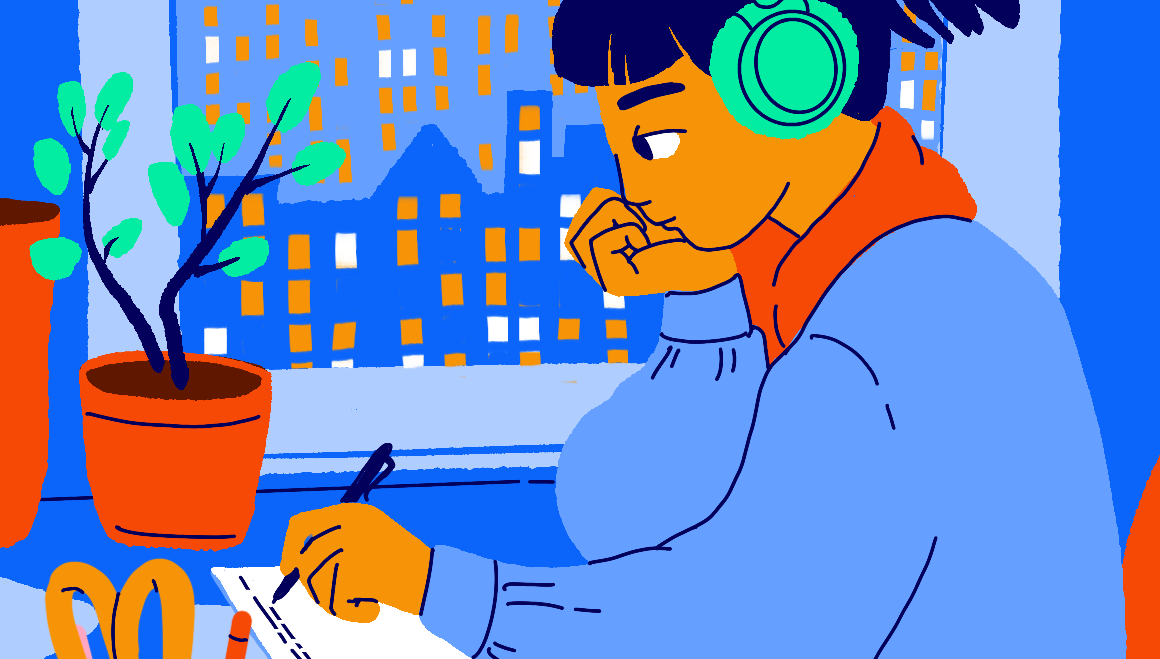
The benefits of intentional noise extend to various aspects of daily life. Here are some practical applications:
- Work and Productivity: Blocking out distracting office sounds with white noise or ambient music can significantly improve concentration and productivity.
- Sleep Improvement: Pink noise or brown noise can mask disruptive sounds and create a more relaxing sleep environment.
- Anxiety Reduction: Nature sounds or calming music can help to reduce anxiety and promote a sense of well-being.
- Focus Enhancement: Specific frequencies or binaural beats can enhance focus and cognitive function during study or creative tasks.
- Travel Comfort: White noise can help to mask airplane noise and create a more comfortable travel experience.
By strategically incorporating intentional noise into your environment, you can create a more supportive and conducive atmosphere for work, rest, and play.

Potential Pitfalls and How to Avoid Them
While intentional noise can be incredibly beneficial, it's important to be aware of potential pitfalls and take steps to avoid them.
- Over-reliance: Relying too heavily on noise to mask underlying issues, such as stress or anxiety, can be counterproductive. It's important to address the root causes of these issues in addition to using intentional noise as a coping mechanism.
- Hearing Damage: Listening to noise at excessively high volumes can damage your hearing. Always keep the volume at a comfortable level and take breaks to give your ears a rest.
- Dependency: Becoming overly dependent on noise to focus or relax can make it difficult to function in quiet environments. Gradually wean yourself off noise when possible to maintain your adaptability.
- Annoyance to Others: Be mindful of how your use of noise affects others, especially in shared spaces. Use headphones or earbuds to avoid disturbing those around you.
- Choosing the Wrong Sounds: Not all sounds are created equal. Some types of noise can be irritating or distracting, even if they're intended to be calming. Experiment to find the sounds that work best for you.
By being mindful of these potential pitfalls, you can ensure that your use of intentional noise is safe, effective, and beneficial.

Conclusion: Embracing the Power of Sound
The concept of a reverse sound bath challenges our conventional understanding of calm and relaxation. By intentionally embracing noise, we can create a more supportive and conducive environment for focus, productivity, and well-being. It's about taking control of our sonic landscape and using it to our advantage. So, experiment with different types of noise, find what works best for you, and embrace the power of sound to transform your day. You might be surprised at the calming and focusing effects it can have.
Whether you're looking to boost your productivity at work, improve your sleep quality, or simply reduce stress and anxiety, intentional noise can be a valuable tool. Give it a try and discover the unexpected path to calm that lies within the sounds around you.

So, go ahead and curate your own intentional noise, and discover the surprising peace it can bring to your day!
-YourDad


Comments
Post a Comment