Reverse "Skill Stacking": The Unexpected Power of Unrelated Hobbies
Introduction: Beyond the Resume – The Power of Unexpected Skills
We're often told to specialize, to hone our skills in a specific area to achieve success. The concept of "skill stacking" – combining related skills to become a powerhouse in a particular field – is widely promoted. But what if I told you there's power in the opposite approach? What if the most valuable skills are the ones you pick up from seemingly unrelated hobbies? This is where the concept of "reverse skill stacking" comes into play.
Reverse skill stacking is about leveraging the skills you gain from diverse, seemingly unrelated hobbies and applying them to other areas of your life, particularly your career. It's about recognizing the transferable skills you develop while pursuing your passions outside of work and using them to your advantage. Forget the pressure of constant professional development for a moment. Let's explore how your passion for baking, woodworking, or even competitive gaming can make you a better employee, leader, or entrepreneur.
This post will explore the unexpected benefits of pursuing diverse interests and how you can consciously leverage those skills to unlock your full potential. Get ready to think outside the box and discover the hidden power within your hobbies!
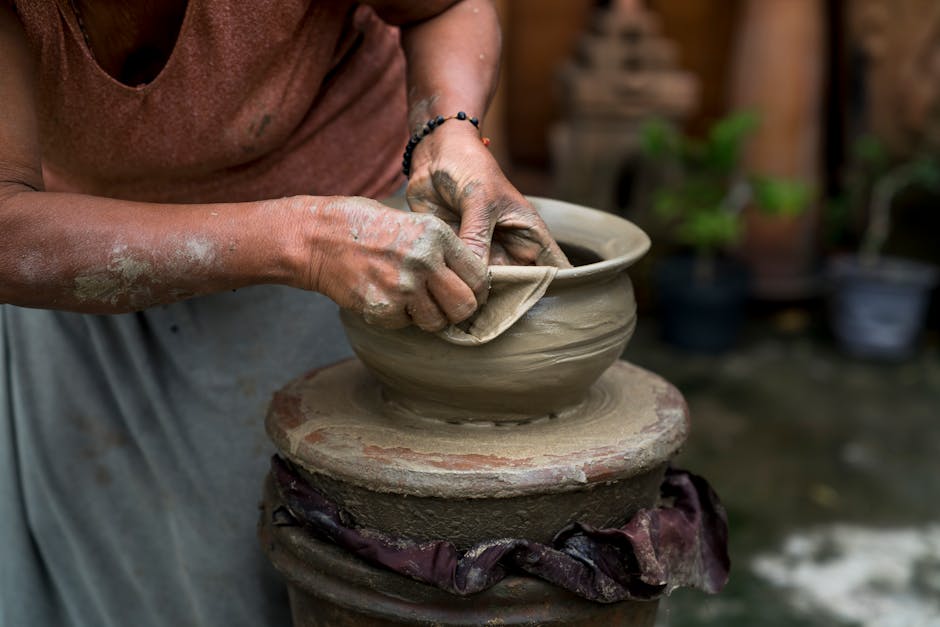
Section 1: Identifying Hidden Skills in Your Hobbies
The first step in reverse skill stacking is recognizing the skills you're already developing through your hobbies. Often, we underestimate the value of these skills because they seem unrelated to our professional lives. Let's break down how to identify these hidden gems.
Think about what your hobbies require you to do. Do you enjoy gardening? That might mean you're developing patience, problem-solving skills (dealing with pests and diseases), and project management abilities (planning your garden layout). Are you a musician? You're likely honing your discipline, creativity, and ability to work collaboratively (if you play in a band). Even seemingly solitary hobbies like video games can boost your strategic thinking, reaction time, and problem-solving skills.
Consider these questions to uncover the hidden skills within your hobbies:
- What are the core activities involved in this hobby?
- What challenges do I typically face, and how do I overcome them?
- What tools, techniques, or knowledge do I need to succeed?
- What personal qualities does this hobby cultivate (e.g., patience, creativity, attention to detail)?
Don't dismiss any skill as insignificant. Even seemingly minor abilities can be valuable when applied in a different context.

Section 2: Examples of Unrelated Hobbies and Their Transferable Skills
Let's look at some concrete examples of how seemingly unrelated hobbies can translate into valuable skills applicable to your career and other areas of life.
| Hobby | Transferable Skills |
|---|---|
| Cooking/Baking | Precision, time management, following instructions, adapting to unexpected problems (e.g., ingredient substitutions), creativity in presentation, understanding chemical reactions. |
| Woodworking/DIY Projects | Problem-solving, spatial reasoning, attention to detail, patience, manual dexterity, project management (planning, execution, troubleshooting). |
| Creative Writing/Storytelling | Communication skills, empathy, understanding human psychology, crafting compelling narratives, persuasive writing, active listening. |
| Gaming (Strategy/RPG) | Strategic thinking, problem-solving, resource management, teamwork (in multiplayer games), adaptability, decision-making under pressure. |
| Dancing | Coordination, teamwork (partner dances), discipline, creativity, public speaking (performing), physical fitness, stress management. |
These are just a few examples, and the specific skills you develop will depend on the nature of your hobby and how you approach it. The key is to actively reflect on what you're learning and how it might be applicable elsewhere.
For instance, the precision and attention to detail required in scale modeling can translate into improved accuracy in data analysis or meticulousness in project management. The problem-solving skills honed in rock climbing can be invaluable in navigating complex business challenges. The ability to think on your feet and improvise while playing jazz music can enhance your adaptability and creativity in brainstorming sessions.
Section 3: Applying Hobby Skills to Your Career
Now that you've identified the hidden skills within your hobbies, the next step is to consciously apply them to your career. This requires a bit of creative thinking and a willingness to experiment.
Start by identifying areas in your work where you could benefit from the skills you've gained through your hobbies. Are you struggling with project management? Perhaps the organizational skills you've developed through gardening can help you structure your tasks more effectively. Do you need to improve your communication skills? Maybe the storytelling abilities you've honed through creative writing can help you craft more compelling presentations. Are you looking for ways to boost your team's morale? Consider using the team-building skills you have developed while playing team-based video games.
Here are some ways to actively apply your hobby skills to your career:
- Highlight them on your resume and in interviews: Don't just list your hobbies; explain the skills you've gained and how they relate to the job requirements.
- Seek out opportunities to use your skills at work: Volunteer for projects that align with your hobby-related strengths.
- Share your knowledge with colleagues: Offer workshops or training sessions based on your hobby expertise.
- Use your hobbies to de-stress and recharge: A well-rounded life can lead to increased productivity and creativity at work.
Remember to frame your hobby skills in a professional context. Instead of saying "I'm good at video games," say "I've developed strong strategic thinking and problem-solving skills through gaming, which I believe would be valuable in this role."

Section 4: The Benefits Beyond Career: Personal Growth and Well-being
The benefits of reverse skill stacking extend far beyond your career. Pursuing diverse hobbies can lead to significant personal growth and improved well-being.
Hobbies provide an outlet for creativity and self-expression, which can reduce stress and improve your overall mood. They can also help you develop new interests, expand your social circle, and build confidence. Learning new skills, regardless of their direct relevance to your work, can boost your self-esteem and sense of accomplishment.
Furthermore, engaging in hobbies can improve your cognitive function and mental agility. Activities that require problem-solving, strategic thinking, or creative expression can help keep your mind sharp and improve your ability to learn new things. For example, learning a new language through apps like Duolingo or Memrise, can improve memory and cognitive flexibility. Similarly, playing chess or other strategy games can enhance your critical thinking and decision-making skills.
By embracing a variety of hobbies, you can cultivate a more balanced and fulfilling life, which can have a positive ripple effect on all aspects of your well-being.

Section 5: Cultivating a "Reverse Skill Stacking" Mindset
To truly harness the power of reverse skill stacking, you need to cultivate a specific mindset. This involves actively seeking out new experiences, embracing challenges, and recognizing the potential for growth in every activity you undertake.
Be open to trying new things, even if they seem intimidating or outside your comfort zone. Don't be afraid to experiment with different hobbies and explore areas that pique your curiosity. The more diverse your interests, the more opportunities you'll have to develop valuable skills.
Practice mindfulness and self-reflection. Take the time to analyze your hobbies and identify the skills you're developing. Consider how those skills might be applicable to other areas of your life, and actively seek out opportunities to put them to use.
Finally, remember that learning is a lifelong process. Embrace the journey of continuous growth and development, and recognize that every experience, no matter how seemingly insignificant, can contribute to your overall skill set and personal development. By adopting a "reverse skill stacking" mindset, you can unlock your full potential and achieve greater success in all areas of your life. Consider using a tool like Evernote to keep track of your skills.
So, go explore those seemingly random passions – you never know what amazing connections and unexpected strengths you'll uncover within yourself!
-YourDad


Comments
Post a Comment