The Un-Decorated Home: Finding Style in Subtraction
Embracing the Beauty of Less: The Un-Decorated Home
In a world saturated with trends and an endless stream of 'must-have' items, the idea of an un-decorated home might seem radical. But what if true style lies not in accumulation, but in thoughtful subtraction? Embracing an un-decorated aesthetic isn't about living in a stark, empty space. It's about curating a home that reflects your values, prioritizes functionality, and celebrates the beauty of simplicity. It's about creating a sanctuary where you can breathe, think, and truly be yourself.
This approach challenges the conventional notion that a home must be filled with decorative objects to be considered stylish or complete. Instead, it suggests that a space can be just as, if not more, compelling when it’s deliberately sparse and uncluttered. The focus shifts from filling every corner to carefully selecting pieces that serve a purpose and bring joy. It's a conscious decision to prioritize quality over quantity, and to appreciate the negative space as much as the objects within it.
Ultimately, the un-decorated home is a reflection of a mindful lifestyle. It's about being intentional with your possessions and creating a space that supports your well-being. It's about finding beauty in the everyday, and appreciating the simple pleasures of life.

The Philosophy Behind Subtraction
The movement towards un-decoration is rooted in several key philosophies, including minimalism, intentional living, and a growing awareness of the impact of consumerism. Minimalism, at its core, is about living with less – less stuff, less clutter, and less stress. It's about identifying what truly adds value to your life and letting go of everything else.
Intentional living takes this concept a step further by encouraging us to be more deliberate in our choices. It's about consciously deciding what we bring into our homes and our lives, and ensuring that everything aligns with our values and goals. This means being mindful of our spending habits, our consumption patterns, and the impact our choices have on the environment.
Furthermore, the un-decorated home can be seen as a response to the overwhelming nature of modern consumer culture. We are constantly bombarded with advertisements and messages telling us that we need more stuff to be happy or successful. Embracing subtraction is a way to resist this pressure and reclaim control over our lives and our homes. It's about recognizing that true happiness comes from within, not from external possessions.
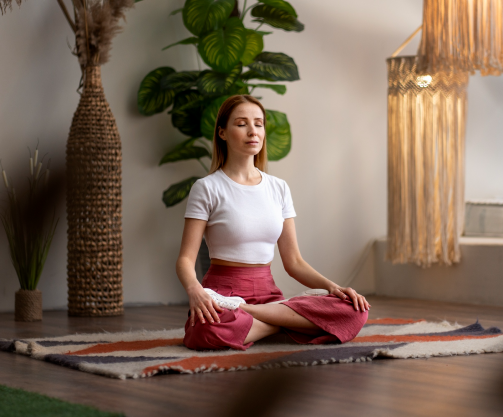
Key Elements of an Un-Decorated Space
Creating an un-decorated home isn't about emptying your house and living in a sterile environment. It's about carefully curating a space that is both functional and aesthetically pleasing. Here are some key elements to consider:
- Neutral Color Palette: Opt for a calming and cohesive color scheme, often using whites, grays, and other neutral tones. This creates a sense of spaciousness and allows the focus to be on the form and texture of the objects within the room.
- Quality over Quantity: Invest in a few well-made, durable pieces that you truly love, rather than filling your home with cheap, disposable items.
- Functional Furniture: Choose furniture that serves a purpose and is comfortable to use. Avoid pieces that are purely decorative and take up unnecessary space.
- Minimal Accessories: Limit the number of decorative objects on display. Select a few meaningful items that reflect your personality and interests, and store the rest out of sight.
- Open Space: Embrace the beauty of empty space. Allow your furniture to breathe and avoid overcrowding rooms.
- Natural Light: Maximize natural light by keeping windows clear and using sheer curtains or blinds.
By focusing on these elements, you can create a home that is both stylish and serene, without relying on excessive decoration.

Practical Steps to Achieve the Look
Transforming your home into an un-decorated haven doesn't happen overnight. It requires a conscious effort to declutter, simplify, and re-evaluate your relationship with your belongings. Here are some practical steps to get you started:
- Declutter Ruthlessly: Start by going through each room and getting rid of anything you don't need, use, or love. Be honest with yourself about what truly adds value to your life. Consider donating, selling, or recycling unwanted items.
- Organize Strategically: Once you've decluttered, organize your remaining belongings in a way that is both functional and aesthetically pleasing. Use storage containers, shelves, and drawers to keep things tidy and out of sight.
- Edit Your Decor: Take a critical look at your existing decor and decide what to keep, donate, or repurpose. Focus on selecting a few key pieces that you truly love and that complement your overall aesthetic.
- Shop Intentionally: Avoid impulse purchases and be mindful of what you bring into your home. Before buying anything new, ask yourself if you truly need it, if it aligns with your values, and if it will enhance your life.
- Embrace Imperfection: An un-decorated home isn't about perfection. It's about creating a space that is authentic and reflects your personality. Don't be afraid to embrace imperfections and allow your home to evolve over time.
Consider using apps like Evernote to keep track of your inventory or Trello to plan your decluttering process.

The Benefits Beyond Aesthetics
While the un-decorated home is undoubtedly visually appealing, the benefits extend far beyond aesthetics. Living in a simplified, uncluttered space can have a profound impact on your mental and emotional well-being. Studies have shown that clutter can contribute to stress, anxiety, and even depression. By reducing clutter, you can create a more calming and peaceful environment that promotes relaxation and focus.
Furthermore, an un-decorated home can save you time and money. When you have fewer possessions, you spend less time cleaning, organizing, and maintaining them. You also spend less money on unnecessary items that you don't truly need. This frees up your time and resources to focus on the things that truly matter to you, such as spending time with loved ones, pursuing your passions, or traveling the world.
| Benefit | Description |
|---|---|
| Reduced Stress | Less clutter leads to a more calming and peaceful environment. |
| Increased Productivity | A clutter-free space promotes focus and concentration. |
| Time Savings | Less time spent cleaning and organizing. |
| Money Savings | Reduced impulse purchases and unnecessary spending. |
| Environmental Impact | Conscious consumption reduces waste and promotes sustainability. |
In addition, embracing an un-decorated lifestyle can be more environmentally friendly. By consuming less, you reduce your carbon footprint and contribute to a more sustainable future. You can also choose to support businesses that prioritize ethical and sustainable practices.

Finding Your Personal Style in Simplicity
Ultimately, the un-decorated home is about finding your own personal style in simplicity. It's about creating a space that reflects your values, your interests, and your unique personality. It's not about following trends or adhering to rigid rules. It's about creating a home that feels comfortable, inviting, and authentically you.
Experiment with different layouts, colors, and textures to find what works best for you. Don't be afraid to break the rules and create a space that is truly unique. Remember that the goal is not to achieve perfection, but to create a home that supports your well-being and allows you to live your best life.
Consider seeking inspiration from resources like interior design blogs and magazines, but always stay true to your own vision. Let your home be a reflection of your inner self, a sanctuary where you can relax, recharge, and reconnect with what truly matters.
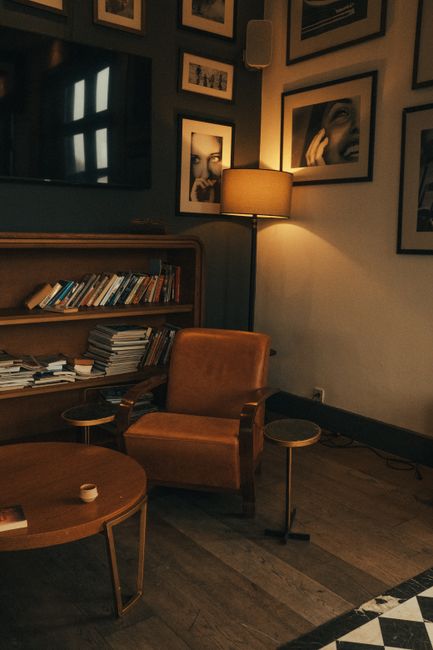
So, embrace the beauty of less and let your home breathe, reflecting the calm and contentment within you.
-YourDad


Comments
Post a Comment