Reverse Expert Witness Bounty: Get Paid When Testimony Tanks!
Introducing the 'Reverse Expert Witness' Bounty
The legal system relies heavily on expert witnesses to provide specialized knowledge and insights that can help judges and juries understand complex issues. These experts are often paid substantial fees for their testimony. But what happens when that testimony is flawed, misleading, or outright false? Currently, there's little recourse for those harmed by such testimony. Enter the concept of a 'Reverse Expert Witness' bounty – a novel approach to accountability in the courtroom.
A Reverse Expert Witness bounty is essentially a reward offered to individuals who can successfully demonstrate that an expert witness's testimony was demonstrably false, misleading, or negligent, and that this testimony directly contributed to an unjust outcome. This bounty aims to incentivize thorough scrutiny of expert testimony and provide a mechanism for redress when that testimony proves to be harmful. It shifts the risk, placing some of it back on the expert.
This concept, while still largely theoretical, has the potential to revolutionize the way expert witnesses are vetted and held accountable. It could lead to more rigorous standards for expert testimony, reducing the likelihood of flawed or biased information influencing legal decisions. It's a bold idea, but one that could significantly improve the fairness and accuracy of the legal system.

The Mechanics of a Reverse Bounty
How would a Reverse Expert Witness bounty actually work in practice? While specific implementations could vary, the core principles would likely involve several key components.
- Establishing the Bounty: A party who believes they have been harmed by expert testimony (or an interested third party) would establish a bounty, setting a specific reward amount for successfully discrediting the expert's testimony.
- Defining 'Failure': Clear criteria would need to be established to define what constitutes a 'failed' expert testimony. This could include demonstrating factual inaccuracies, methodological flaws, conflicts of interest, or misrepresentation of established scientific or technical principles.
- Independent Verification: A neutral third party, such as a panel of qualified experts or a specialized organization, would be responsible for evaluating the evidence presented to determine whether the expert's testimony met the criteria for failure.
- Claiming the Bounty: If the third party determines that the testimony was indeed flawed and contributed to an unjust outcome, the individual who successfully demonstrated the failure would be eligible to claim the bounty.
The bounty could be funded through various sources, including crowdfunding, insurance policies, or even by the losing party in a legal case. The key is to ensure that the bounty is substantial enough to incentivize thorough investigation and that the verification process is fair and impartial.
Consider a hypothetical scenario: an expert witness provides flawed economic projections that lead to an unfair settlement in a business dispute. The injured party could establish a Reverse Expert Witness bounty, offering a reward to anyone who can demonstrate the flaws in the expert's analysis. If another economist successfully proves that the projections were based on faulty data or flawed methodology, they would be eligible to claim the bounty. This provides a direct incentive for experts to scrutinize each other's work and for parties to challenge questionable testimony.
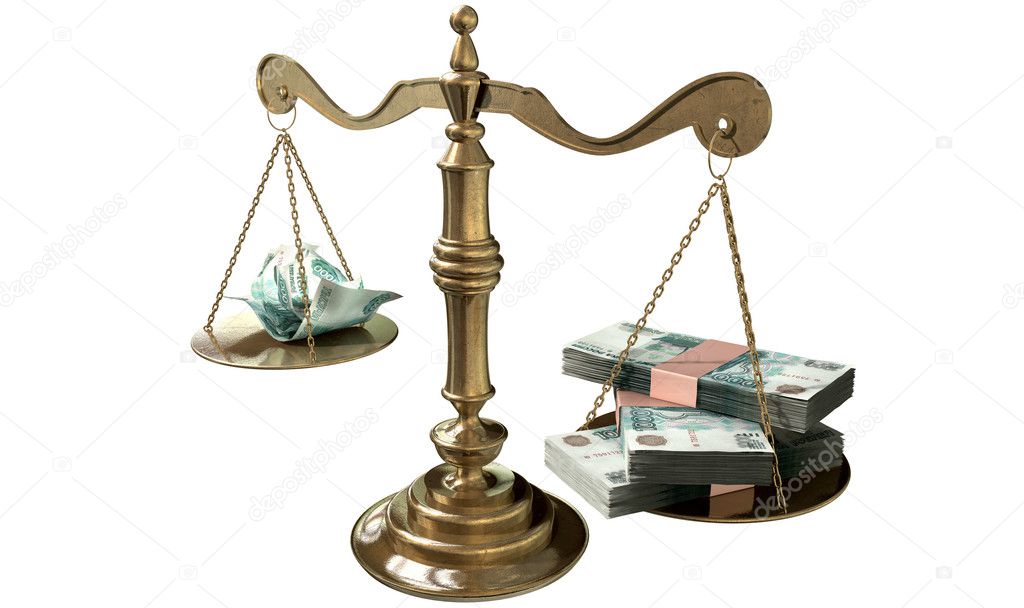
Potential Benefits and Drawbacks
Like any radical proposal, the Reverse Expert Witness bounty presents both potential benefits and drawbacks. On the positive side, it could:
- Increase Accountability: Experts would be more cautious in their testimony, knowing that their work could be subject to rigorous scrutiny and potential financial penalties.
- Improve Testimony Quality: The threat of a bounty could incentivize experts to adhere to higher standards of accuracy and objectivity.
- Reduce Frivolous Lawsuits: By discouraging the use of dubious expert testimony, the bounty could help to reduce the number of frivolous or unfounded lawsuits.
- Empower the Disadvantaged: Individuals or organizations with limited resources could use the bounty to challenge powerful interests that rely on questionable expert testimony.
However, there are also potential downsides to consider:
- Chilling Effect: Some experts might be hesitant to testify at all, fearing the risk of a bounty, even if their testimony is sound. This could make it more difficult to find qualified experts in certain fields.
- Abuse Potential: The bounty system could be abused by parties seeking to harass or intimidate expert witnesses, even if their testimony is valid.
- Complexity and Cost: Establishing and administering a fair and impartial bounty system could be complex and costly.
- Subjectivity: Determining whether an expert's testimony has 'failed' can be subjective, leading to disputes and legal challenges.
Addressing these potential drawbacks would require careful consideration and the implementation of safeguards to prevent abuse and ensure fairness. For example, strict rules could be put in place to prevent frivolous bounty claims, and independent verification processes could be designed to minimize subjectivity.

Implementing a Reverse Bounty System: Challenges and Solutions
Successfully implementing a Reverse Expert Witness bounty system would require careful planning and attention to detail. Several challenges would need to be addressed, including:
| Challenge | Potential Solution |
|---|---|
| Defining 'Failure' | Establish clear, objective criteria for evaluating expert testimony, based on established scientific or technical standards. |
| Ensuring Impartiality | Create an independent verification panel composed of qualified experts with no conflicts of interest. |
| Preventing Abuse | Implement strict rules to prevent frivolous bounty claims and penalize those who attempt to harass or intimidate expert witnesses. |
| Funding the Bounty | Explore various funding models, including crowdfunding, insurance policies, and court-ordered penalties. |
| Legal Challenges | Ensure that the bounty system complies with all applicable laws and regulations, and be prepared to defend it against legal challenges. |
One potential solution for ensuring impartiality is to establish a specialized organization dedicated to administering the Reverse Expert Witness bounty system. This organization could be responsible for vetting bounty claims, selecting independent verification panels, and managing the bounty funds. It could also develop and enforce ethical guidelines for expert witnesses and bounty hunters alike.
Another important consideration is the scope of the bounty system. Should it apply to all types of expert testimony, or only to certain fields or types of cases? A phased approach, starting with a limited scope and gradually expanding as the system proves its effectiveness, might be the most prudent way to proceed.

The Future of Legal Accountability
The Reverse Expert Witness bounty is just one example of the innovative approaches being explored to enhance accountability and fairness in the legal system. As technology advances and our understanding of human behavior grows, we can expect to see even more creative solutions emerge. The rise of artificial intelligence (AI), for instance, could play a significant role in the future of legal accountability. AI-powered tools could be used to analyze expert testimony for inconsistencies, biases, or factual inaccuracies, providing a more objective and efficient way to identify flawed testimony. Tools like Lex Machina and Ravel Law already offer insights into legal data and could potentially be adapted for this purpose.
Ultimately, the goal is to create a legal system that is both fair and accurate, one that protects the rights of all parties and ensures that justice is served. By embracing innovative ideas like the Reverse Expert Witness bounty and leveraging the power of technology, we can move closer to that goal. It's about creating a culture of accountability, where experts are held to the highest standards of integrity and where those harmed by flawed testimony have a meaningful avenue for redress. The legal landscape is constantly evolving, and it's crucial to remain open to new approaches that can improve the quality and fairness of our justice system.
The discussion around expert witness accountability is gaining momentum, and the concept of a Reverse Expert Witness bounty, while still nascent, highlights the growing demand for transparency and accuracy in legal proceedings. Whether this specific model takes hold or inspires alternative solutions, the underlying principle remains clear: expert testimony must be reliable, and those who provide it must be held accountable for its accuracy and integrity.

So, go out there and help bring truth to light, knowing you can be rewarded for exposing flawed testimony!
-YourDad


Comments
Post a Comment