AI Reverse "Pro Bono Broker": Get Paid When Good Deeds Backfire!
Understanding the "Pro Bono" Dilemma
"Pro bono", derived from the Latin phrase "pro bono publico" meaning "for the public good," typically refers to professional services offered voluntarily and without payment. Lawyers, doctors, consultants, and many other professionals often engage in pro bono work to help those who cannot afford their services, contributing to the greater good. However, even the most well-intentioned acts can sometimes have unintended consequences. What happens when your pro bono work leads to unforeseen legal or financial issues? This is where the concept of an AI-powered reverse "pro bono broker" comes into play – an innovative approach to help you seek compensation or assistance when your good deeds backfire.

The Problem: Good Intentions, Unexpected Repercussions
While offering pro bono services is commendable, it's not without potential risks. Here are a few scenarios where things can go wrong:
- Legal Liability: Providing free legal advice might inadvertently lead to a lawsuit if the client misinterprets the advice or if the outcome isn't favorable.
- Financial Strain: Offering free consulting services to a struggling non-profit might drain your resources if the project becomes more complex or time-consuming than initially anticipated.
- Reputational Damage: If a pro bono client is involved in a scandal or controversy, your association with them, even if well-intentioned, could tarnish your reputation.
- Ethical Concerns: Unexpected conflicts of interest can arise during pro bono work, creating ethical dilemmas and potential legal complications.
Traditional pro bono services focus on providing help *for free*. The AI Reverse Pro Bono concept flips this around – it aims to find resources and avenues to *compensate* individuals or organizations when their well-intentioned pro bono work results in unforeseen hardship. It's about creating a safety net for those who selflessly give their time and expertise.

Introducing the AI Reverse "Pro Bono Broker"
The AI Reverse "Pro Bono Broker" is a conceptual system that leverages artificial intelligence to connect individuals and organizations facing negative repercussions from pro bono work with potential sources of support. This support could come in various forms, including:
- Legal Defense Funds: Connecting individuals facing lawsuits related to pro bono work with organizations that provide legal assistance and funding.
- Insurance Coverage: Identifying insurance policies that might cover liabilities arising from pro bono activities.
- Grant Opportunities: Matching organizations facing financial strain due to pro bono projects with grant opportunities and funding programs.
- Reputation Management Services: Connecting individuals whose reputations have been damaged by pro bono associations with PR firms specializing in crisis communication.
- Peer Support Networks: Facilitating connections with other professionals who have experienced similar challenges in their pro bono work, providing emotional support and practical advice.
The AI would analyze the specifics of the situation, identify potential sources of support, and facilitate the connection between the individual/organization and the appropriate resources.

How the AI Would Work: A Step-by-Step Breakdown
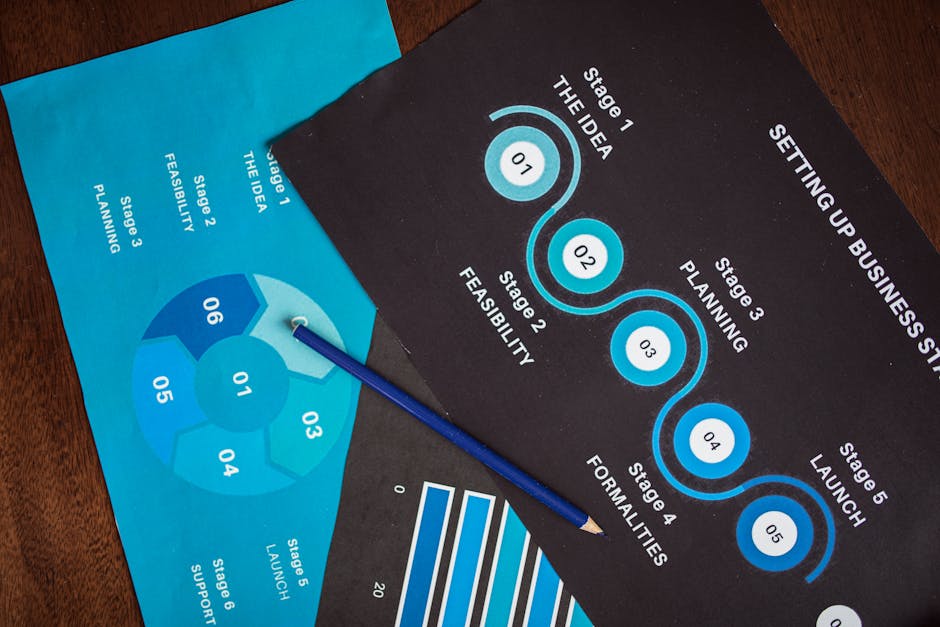
Here's a hypothetical overview of how the AI Reverse "Pro Bono Broker" system might function:
- Intake and Assessment: The individual or organization would submit a detailed description of the pro bono work they undertook, the challenges they're facing, and the type of support they need.
- AI Analysis: The AI would analyze the submitted information, identifying key legal, financial, and reputational risks. It would also assess the individual's or organization's eligibility for various support programs.
- Resource Matching: Based on the AI's analysis, it would identify potential sources of support, such as legal defense funds, insurance policies, grant opportunities, and reputation management services.
- Connection and Facilitation: The AI would facilitate the connection between the individual/organization and the identified resources, providing introductions, preparing necessary documentation, and assisting with the application process.
- Monitoring and Follow-up: The AI would monitor the progress of the support process, providing updates and assistance as needed. It would also collect data on the effectiveness of the system, allowing for continuous improvement.
This would involve natural language processing (NLP) to understand complex situations, machine learning to identify relevant resources, and a robust database of legal, financial, and reputational support programs.
Real-World Examples and Potential Applications
Let's consider a few hypothetical scenarios where an AI Reverse "Pro Bono Broker" could prove invaluable:
- The Startup Mentor: A business consultant provides free advice to a promising startup, but the startup fails and the consultant is sued by investors for negligence. The AI could connect the consultant with a legal defense fund specializing in cases involving pro bono service.
- The Non-Profit Accountant: An accountant volunteers to prepare the tax returns for a small non-profit, but a clerical error leads to an IRS audit and significant penalties. The AI could identify insurance policies that cover errors and omissions in volunteer work and help the non-profit apply for a grant to cover the penalties.
- The Community Organizer: A community organizer volunteers to help a local neighborhood association fight a proposed development project, but the project goes forward and the organizer is targeted by a smear campaign. The AI could connect the organizer with a reputation management firm specializing in crisis communication and help them build a positive online presence.
The application of AI in this area could provide a safety net, encouraging more professionals to offer their services pro bono without the fear of devastating consequences.
| Scenario | Challenge | AI Solution |
|---|---|---|
| Startup Mentor Sued | Lawsuit for negligence after pro bono advice | Connects with legal defense fund |
| Non-Profit Accountant's Error | IRS audit and penalties | Identifies insurance and grant opportunities |
| Community Organizer Smear Campaign | Reputational damage | Connects with reputation management firm |

The Future of Pro Bono and AI: A Symbiotic Relationship
The concept of an AI Reverse "Pro Bono Broker" is still in its early stages, but it highlights the potential of artificial intelligence to address complex social challenges. As AI technology continues to evolve, we can expect to see more innovative applications that support and encourage pro bono work. This could lead to a more equitable and just society, where professionals are empowered to use their skills and expertise to make a positive impact, without fear of undue hardship. Tools like OpenAI's suite of AI technologies could be leveraged to build such a system. Furthermore, the integration with platforms like Salesforce for CRM and case management could streamline the process and enhance efficiency.
The development and implementation of such a system would require collaboration between legal professionals, technology experts, and philanthropic organizations. It would also necessitate careful consideration of ethical and legal issues, such as data privacy and algorithmic bias. However, the potential benefits of an AI Reverse "Pro Bono Broker" are significant, offering a valuable safety net for those who selflessly contribute to the public good. In conclusion, exploring avenues to shield professionals from potential risks will incentivize more individuals to engage in pro bono activities, ultimately benefiting society as a whole.
So, let's build a future where doing good is always rewarded, not punished, and where AI helps us ensure fairness for everyone.
-YourDad


Comments
Post a Comment