Reverse "Sound Bath": Embrace Intentional Noise for a Calmer Day
Introduction: The Anti-Sound Bath Revolution
We're constantly bombarded with advice on how to create a peaceful environment: meditation, sound baths, noise-canceling headphones. But what if the key to tranquility isn't about eliminating noise, but rather, intentionally embracing it? Enter the concept of a "reverse sound bath," a deliberate practice of curating and engaging with specific sounds to enhance focus, manage stress, and ultimately, cultivate a calmer state of mind.
The modern world is a cacophony. From the hum of electronics to the chatter of social media, constant auditory input can be overwhelming. While escaping to a silent retreat might seem appealing, it's often unrealistic. The reverse sound bath offers a practical alternative: a way to harness the power of sound, not to block it out, but to use it as a tool for well-being.
This approach isn't about mindlessly subjecting yourself to noise. It's about intentionality. It's about consciously selecting sounds that resonate with you, that stimulate creativity, or that simply help you feel more grounded in the present moment. It’s about finding your personal sonic sweet spot amidst the daily din.

Understanding the Science of Sound and Calm
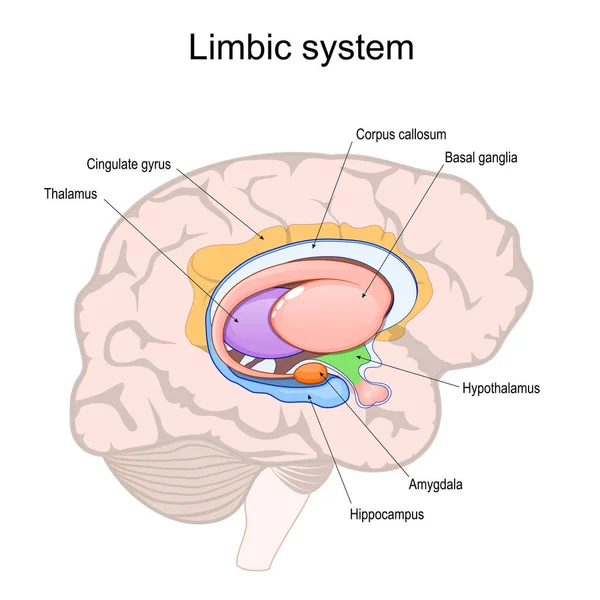
The connection between sound and our emotional state is deeply rooted in our biology. Sound waves travel through the air and vibrate our eardrums, sending signals to the brain that are processed in the auditory cortex. This area is closely linked to the amygdala, the brain's emotional center, which plays a crucial role in regulating our stress response.
Different frequencies and rhythms can have varying effects on our nervous system. For instance, studies have shown that certain types of music can lower cortisol levels (the stress hormone) and promote relaxation. Similarly, specific soundscapes, like nature sounds, can evoke feelings of peace and tranquility. However, the key is individual response. What soothes one person may irritate another.
The reverse sound bath taps into this understanding by encouraging you to experiment with different sounds and identify those that have a positive impact on your well-being. It's about becoming more aware of your auditory environment and proactively shaping it to support your desired state of mind. The BBC Sounds app offers a wide range of audio, from nature sounds to guided meditations, that can be useful for this practice.
Building Your Intentional Noise Toolkit
Creating your own reverse sound bath is a personal journey of sonic exploration. Here are some ideas to get you started:
- Nature Sounds: Rain, waves, birdsong, and wind can be incredibly calming and grounding. Services like Spotify and Apple Music offer a plethora of nature sound playlists.
- Ambient Music: Genres like ambient, lo-fi, and instrumental electronica can provide a subtle, non-distracting backdrop for work or relaxation.
- White Noise/Brown Noise/Pink Noise: These consistent, broadband sounds can mask distracting noises and promote focus. Many apps, such as White Noise Generator, offer customizable options. Wikipedia has more on Colors of Noise.
- Classical Music: Certain pieces of classical music have been shown to reduce stress and improve cognitive function.
- Binaural Beats/Isochronic Tones: These auditory illusions can help induce specific brainwave states associated with relaxation, focus, or sleep. Apps like Brainwave offer guided sessions.
- Everyday Sounds: The gentle hum of a fan, the rhythmic ticking of a clock, or the distant chatter of a coffee shop can sometimes be surprisingly comforting.
Experiment with different sounds and see what resonates with you. Pay attention to how each sound makes you feel and how it affects your focus and mood.

Practical Exercises for a Reverse Sound Bath
Ready to put the theory into practice? Here are some exercises to incorporate intentional noise into your daily routine:
- The Focused Work Session: Before starting a task that requires deep concentration, select a soundscape that you find conducive to focus. This could be ambient music, white noise, or even the sound of a bustling coffee shop (if that works for you!). Play the soundscape at a comfortable volume and notice how it affects your ability to concentrate.
- The Stress-Relief Break: When feeling overwhelmed, take a few minutes to immerse yourself in a calming soundscape. Nature sounds or gentle music can help soothe your nervous system and promote relaxation. Close your eyes and focus on the sounds, letting them wash over you.
- The Mindful Commute: Transform your daily commute into an opportunity for mindful listening. Instead of scrolling through social media, put on some calming music or listen to a podcast that you find uplifting. Pay attention to the sounds around you and notice how they make you feel.
- The Sleep Sanctuary: Create a relaxing bedtime routine by incorporating calming sounds into your sleep environment. White noise, nature sounds, or ambient music can help mask distracting noises and promote restful sleep.
Consistency is key. The more you practice incorporating intentional noise into your daily life, the more effective it will become.

Troubleshooting Common Challenges
Embracing intentional noise isn't always easy. Here are some common challenges and how to overcome them:
| Challenge | Solution |
|---|---|
| Sound Sensitivity | Start with very low volumes and gradually increase as tolerated. Experiment with different types of sounds to find what works best for you. |
| Distraction | Choose sounds that are subtle and non-intrusive. Avoid sounds with lyrics or complex melodies that might draw your attention away from your task. |
| Annoyance | If a particular sound is irritating, stop using it immediately. There are plenty of other options to explore. |
| External Noise | Use noise-canceling headphones or earplugs to block out unwanted sounds. Layer your intentional noise on top of the reduced external noise. |
Remember, the goal is to create a sonic environment that supports your well-being, not to add more stress to your life. Be patient with yourself and experiment until you find what works best.

The Benefits Beyond Calm: Focus, Creativity, and More
While the primary goal of a reverse sound bath is to promote calmness, the benefits extend far beyond stress reduction. Intentional noise can also enhance focus, boost creativity, and improve overall cognitive function.
- Enhanced Focus: By masking distracting noises and creating a consistent auditory environment, intentional noise can help you stay focused on the task at hand.
- Increased Creativity: Certain types of sounds, such as nature sounds or ambient music, can stimulate creativity and inspire new ideas.
- Improved Mood: Listening to sounds that you enjoy can elevate your mood and promote feelings of well-being.
- Better Sleep: Calming sounds can help you relax and fall asleep more easily.
- Reduced Anxiety: Intentional noise can help you manage anxiety by providing a sense of control over your auditory environment.
By consciously shaping your sonic landscape, you can unlock a wide range of benefits for your mental and emotional health.

Conclusion: Your Personal Symphony of Calm
The reverse sound bath is a powerful tool for navigating the noisy world we live in. It's about taking control of your auditory environment and using sound to your advantage. By experimenting with different sounds and incorporating intentional noise into your daily routine, you can cultivate a calmer, more focused, and more creative life.
So, ditch the silence and embrace the sound. Discover your personal symphony of calm and unlock the transformative power of intentional noise. Remember, it's not about escaping the noise, but about finding your peace within it.
Start small, be patient, and most importantly, have fun exploring the world of sound. You might be surprised at what you discover.

So, go ahead, curate your own intentional noise and discover the surprising serenity it can unlock!
-YourDad


Comments
Post a Comment