Reverse "Bill Therapy": Turn Financial Stress into Abstract Art
Introduction: Beyond Budgeting – Finding Art in Financial Anxiety
We all know the feeling: the knot in your stomach when the bills arrive, the racing thoughts about making ends meet. Financial stress is a common burden, but what if you could transform that anxiety into something beautiful and expressive? Enter "Reverse Bill Therapy," a creative approach that uses the raw emotion of financial stress as fuel for abstract expressionism.
This isn't about ignoring your financial responsibilities. It's about finding a healthy outlet for the emotions that come with them. By channeling your stress into art, you can gain a new perspective, reduce anxiety, and even discover hidden creative talents. Think of it as a form of mindfulness, where you're present with your feelings but not overwhelmed by them.
In this guide, we'll explore the principles of abstract expressionism, walk you through practical exercises to get started, and offer tips on how to make the most of your "Reverse Bill Therapy" sessions. Get ready to turn those financial woes into works of art!

Understanding Abstract Expressionism: The Art of Emotion
Before diving in, let's understand the basics of abstract expressionism. This post-World War II art movement shifted the focus from representational art to expressing inner emotions and ideas through non-representational forms. Think bold colors, dynamic brushstrokes, and a sense of spontaneity.
Key characteristics of abstract expressionism include:
- Emphasis on Process: The act of creating is as important as the finished product.
- Large Scale: Many abstract expressionist paintings are large, immersive experiences.
- Non-Representational: The art doesn't attempt to depict realistic objects or scenes.
- Emotional Intensity: The goal is to convey strong emotions and personal experiences.
Famous abstract expressionists include Jackson Pollock, known for his drip paintings, and Mark Rothko, famous for his color field paintings. While their work may seem intimidating, the core principle is simple: express yourself freely and authentically.

Tools and Materials: Setting the Stage for Creative Release
You don't need expensive art supplies to start practicing "Reverse Bill Therapy." The key is to use materials that you enjoy working with and that allow you to express yourself freely. Here are a few suggestions:
- Paints: Acrylic paints are a great option for beginners because they're affordable, versatile, and dry quickly. Watercolors are also a good choice for creating softer, more fluid effects.
- Brushes: A variety of brush sizes and shapes will allow you to create different textures and effects.
- Paper or Canvas: Start with inexpensive paper or canvas until you feel more comfortable with the process.
- Other Materials: Consider using other materials like collage elements (old receipts, newspaper clippings), markers, crayons, or even found objects.
Consider using apps like Procreate on an iPad with an Apple Pencil for digital abstract expressionism. This can be a great way to experiment without the mess of traditional materials. Alternatively, explore free online tools like Sketchpad for simple digital art creation.
The most important thing is to have fun and experiment! Don't be afraid to try different materials and techniques until you find what works best for you.

The "Reverse Bill Therapy" Process: Turning Stress into Art
Now for the core of "Reverse Bill Therapy": the creative process. Here's a step-by-step guide to help you transform your financial stress into abstract art:
- Acknowledge Your Feelings: Before you start painting, take a few minutes to acknowledge your financial stress. What specific bills are causing you anxiety? How does that anxiety feel in your body?
- Set Your Intention: Decide what you want to achieve with your art. Do you want to release pent-up frustration? Gain a new perspective on your finances? Simply express your emotions?
- Choose Your Colors: Colors can be powerful tools for expressing emotions. Consider which colors resonate with your feelings of stress and anxiety. Do you gravitate towards dark, somber colors, or bright, chaotic ones?
- Start Creating: Let your emotions guide your brushstrokes. Don't worry about creating a "good" painting. Focus on expressing your feelings honestly and authentically.
- Experiment with Techniques: Try different techniques like dripping, splattering, layering, or scraping. See what feels most natural and expressive.
- Reflect on Your Work: Once you're finished, take a few minutes to reflect on your painting. What emotions does it evoke? What insights does it offer about your financial stress?
Remember, there are no rules in abstract expressionism. The goal is to express yourself freely and authentically.
Example Exercise: The "Debt Monster" Painting
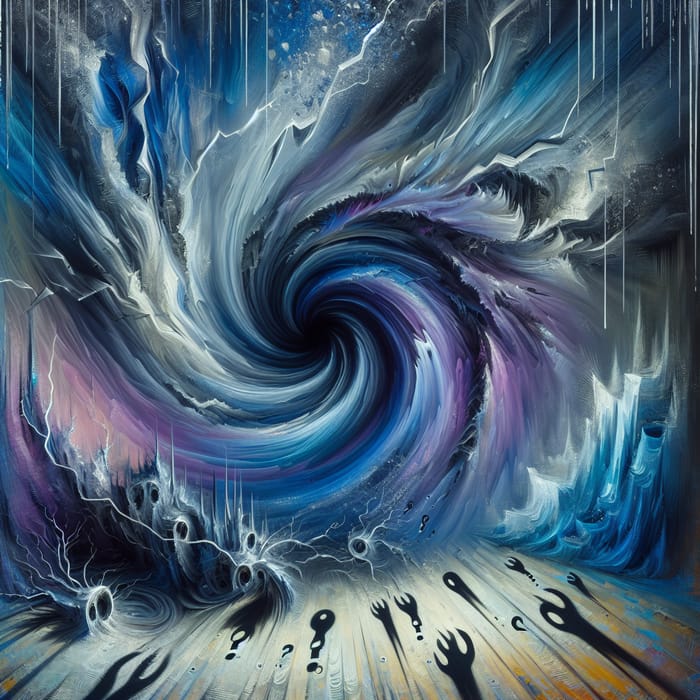
Imagine your debt as a monster. What does it look like? What colors represent its power over you? Use these images and feelings to create an abstract representation of your debt monster. Focus on the emotions it evokes, not on creating a realistic depiction.
Tips for Maximizing Your "Reverse Bill Therapy" Sessions
To get the most out of your "Reverse Bill Therapy" sessions, consider these tips:
- Create a Dedicated Space: Designate a specific area in your home for your art practice. This will help you get into the right mindset.
- Set Aside Time: Schedule regular "Reverse Bill Therapy" sessions, even if it's just for 15-20 minutes at a time. Consistency is key.
- Don't Judge Yourself: Remember that the goal is expression, not perfection. Don't be critical of your art.
- Experiment with Music: Music can be a powerful tool for triggering emotions and inspiring creativity. Try listening to different types of music during your sessions.
- Share Your Work (Optional): If you feel comfortable, consider sharing your art with others. This can be a great way to connect with other artists and gain new perspectives. You can use platforms like Instagram to share your creations with the hashtag #ReverseBillTherapy.
Consider tracking your sessions with a journal. Note the date, the bills that triggered the session, the colors you used, and your overall feelings. This can help you identify patterns and gain a deeper understanding of your financial stress.
| Session Date | Triggering Bills | Colors Used | Overall Feelings |
|---|---|---|---|
| 2024-10-27 | Rent, Credit Card | Red, Black, Grey | Anxious, Overwhelmed |
| 2024-11-03 | Utilities, Student Loan | Blue, Green, Yellow | Stressed, Hopeful |

Conclusion: Finding Empowerment Through Art
"Reverse Bill Therapy" is more than just a creative exercise; it's a powerful tool for managing financial stress and finding empowerment. By channeling your anxiety into art, you can gain a new perspective on your finances, reduce stress, and discover hidden creative talents.
Remember, the goal isn't to become a famous artist. It's to find a healthy and expressive way to cope with the challenges of financial life. So, grab your paints, embrace your emotions, and start creating your own "Reverse Bill Therapy" masterpieces. You might be surprised at what you discover.
And who knows, maybe one day your "debt monster" painting will be hanging in a gallery! But even if it's just hanging on your refrigerator, it will serve as a reminder of your strength, resilience, and ability to transform stress into something beautiful.

So grab your brushes, embrace the chaos, and paint your way to financial peace!
-YourDad


Comments
Post a Comment