AI Music's "CopyLeft" Revolution: Royalties When Artists Borrow!
The Dawn of CopyLeft in AI Music: A New Era for Royalties
The music industry is on the cusp of a seismic shift, driven by the rapid advancement of Artificial Intelligence (AI). While AI offers incredible opportunities for musical creation and innovation, it also raises complex questions about copyright and artistic ownership. The concept of "CopyLeft" – a play on the traditional "Copyright" – is emerging as a potential solution, offering a way for artists to earn royalties when their work is used as inspiration or training data for AI music models. This approach aims to move away from the potential for outright 'stealing' of artistic styles and instead create a system where borrowing is acknowledged and compensated.
Imagine a future where AI can learn from the unique guitar riffs of a legendary blues musician and generate new compositions in a similar style. Under a CopyLeft system, the AI's creators would be obligated to pay royalties to the original artist or their estate, acknowledging the influence and providing fair compensation. This fosters a collaborative environment, incentivizing artists to contribute their work to AI training datasets while ensuring they benefit from the technology's advancements.
The CopyLeft movement in AI music is about fairness, transparency, and fostering a sustainable ecosystem where both human artists and AI can thrive. It's a bold step towards addressing the challenges of copyright in the age of artificial intelligence.
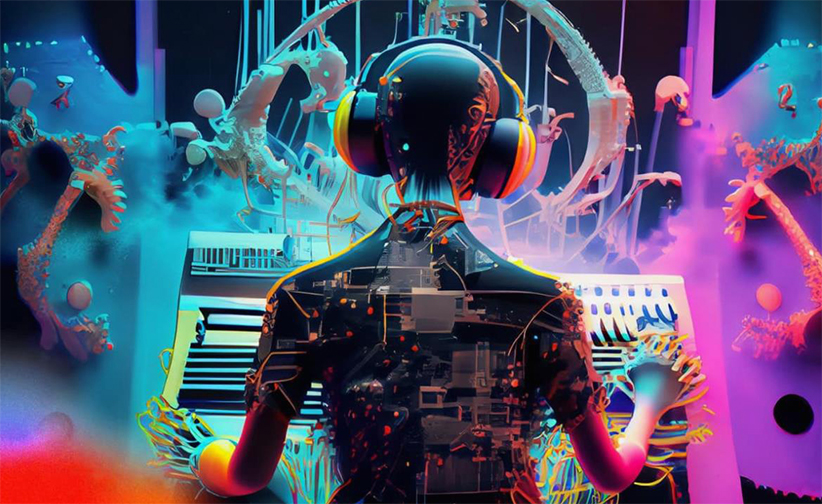
Understanding CopyLeft: More Than Just Open Source
While often associated with open-source software, CopyLeft extends beyond simply making code freely available. In the context of AI music, it represents a legal framework that grants users the freedom to use, modify, and distribute copyrighted works, provided they adhere to certain conditions. The core principle is that any derivative work must also be licensed under the same CopyLeft terms, ensuring that the original artist retains control over their creative legacy and benefits from its usage.
Think of it as a creative commons license with teeth. It allows for broader use than traditional copyright but includes specific requirements about attribution and continued sharing. This can be particularly important when AI is involved because it can be difficult to disentangle the various sources of inspiration that went into creating a new piece of music. A CopyLeft license can help ensure that all contributors are recognized and compensated fairly, fostering a more equitable and collaborative environment for AI music creation.
The difference from traditional copyright is stark. Copyright typically restricts usage and modification, requiring explicit permission from the copyright holder. CopyLeft, on the other hand, embraces usage and modification, so long as the original artist’s rights are respected through attribution and the continued application of the CopyLeft license to derivative works. This promotes innovation while simultaneously safeguarding the interests of the original creators.

How CopyLeft Could Revolutionize AI Music Royalties
The potential impact of CopyLeft on AI music royalties is substantial. Currently, the determination of fair compensation for artists whose work is used to train AI models is a complex and often contentious issue. CopyLeft provides a clear framework for addressing this challenge, creating a system where royalties are automatically triggered when an AI model generates music that is demonstrably influenced by a particular artist's style. This transparency and automation could streamline the royalty distribution process, ensuring that artists receive the compensation they deserve without lengthy legal battles.
Consider the implications for smaller, independent artists. Often, these artists lack the resources to effectively monitor and enforce their copyrights in the face of large corporations developing AI music technologies. A CopyLeft system could level the playing field, empowering independent artists to license their work for AI training purposes with the assurance that they will be fairly compensated. This could unlock new revenue streams and create opportunities for artists to sustain their careers in the rapidly evolving music landscape.
Furthermore, CopyLeft could incentivize the development of more ethical and transparent AI music models. By making it clear that the use of copyrighted material requires compensation, developers will be encouraged to prioritize models that are trained on openly licensed datasets or that incorporate mechanisms for identifying and compensating the original artists. This could lead to a more collaborative and mutually beneficial relationship between human artists and AI, fostering innovation while respecting artistic integrity.

Challenges and Considerations for Implementing CopyLeft
Despite its potential benefits, the implementation of CopyLeft in AI music faces several challenges. One of the primary obstacles is the difficulty of determining the extent to which an AI-generated piece of music is influenced by a particular artist's work. AI models often learn from vast datasets containing the works of countless artists, making it challenging to isolate the specific sources of inspiration. Developing robust methods for identifying and quantifying artistic influence will be crucial for ensuring fair royalty distribution under a CopyLeft system.
Another challenge is the legal complexity of enforcing CopyLeft licenses across international borders. Copyright laws vary significantly from country to country, and it may be difficult to establish a consistent legal framework for CopyLeft that is recognized and enforceable worldwide. This requires international cooperation and the development of standardized licensing agreements that can be readily adapted to different legal jurisdictions.
Furthermore, there is the risk that CopyLeft could stifle innovation by discouraging the development of AI music models that rely on copyrighted material. If the cost of licensing copyrighted works becomes too high, developers may be less inclined to invest in AI music technologies. Finding the right balance between protecting artistic rights and fostering innovation will be essential for ensuring the long-term success of CopyLeft in the AI music industry. One possible solution involves creating tiered licensing schemes, offering different levels of access to copyrighted material at varying royalty rates, thus enabling flexibility and encouraging ethical usage.

The Future of Music: A CopyLeft-Enabled Ecosystem
The CopyLeft movement in AI music represents a fundamental shift in how we think about copyright and artistic ownership. By embracing the principles of transparency, collaboration, and fair compensation, CopyLeft has the potential to create a more sustainable and equitable ecosystem for both human artists and AI. While challenges remain, the potential benefits of CopyLeft – increased artist revenue, more ethical AI models, and a more vibrant and innovative music scene – are too significant to ignore.
Companies like Amper Music (now Shutterstock Music) and others in the AI music generation space are actively exploring ways to incorporate ethical considerations into their models. As the technology continues to evolve, expect to see more sophisticated tools for tracking and attributing artistic influence, making it easier to implement CopyLeft principles in practice. The future of music may well be a collaborative one, where AI and human artists work together, sharing credit and royalties in a way that benefits everyone.
The journey toward a CopyLeft-enabled music ecosystem will require ongoing dialogue and collaboration between artists, developers, legal experts, and policymakers. By working together, we can shape a future where AI enhances, rather than replaces, human creativity, and where artists are fairly compensated for their contributions to the ever-evolving world of music.
Let's build a future where AI music empowers artists and creators alike, fostering collaboration and fair compensation for everyone involved!
-YourDad


Comments
Post a Comment