The "Reverse Commute": Working From Your Destination for a Change
What is the Reverse Commute?
The traditional image of commuting usually involves traveling into a city center for work. However, the "reverse commute" flips this idea on its head. It refers to the act of living in a more urban or densely populated area and commuting outward to a suburban or rural location for work. This can involve traveling from a city to its surrounding suburbs, or even further out to more rural areas. It's a growing trend, fueled by a desire for more affordable housing, a quieter lifestyle, or simply a change of scenery.
The concept isn't entirely new, but it's gaining traction as remote work options become more prevalent and people re-evaluate their priorities. For many, the benefits of a reverse commute outweigh the potential downsides, leading to increased job satisfaction and an improved quality of life. It's about finding a balance between career opportunities and personal well-being.
Ultimately, the reverse commute represents a shift in how we think about work and lifestyle. It's a testament to the fact that the traditional 9-to-5 in a bustling city center isn't the only path to a successful and fulfilling career. The ability to choose where we live and work is becoming increasingly important, and the reverse commute is one way to exercise that choice.

Why Choose the Reverse Commute?
There are several compelling reasons why someone might opt for a reverse commute. Let's explore some of the most common motivations:
- Affordable Housing: Housing costs in city centers are often significantly higher than in suburban or rural areas. A reverse commute can allow individuals and families to afford larger homes, bigger yards, or simply save money on housing expenses.
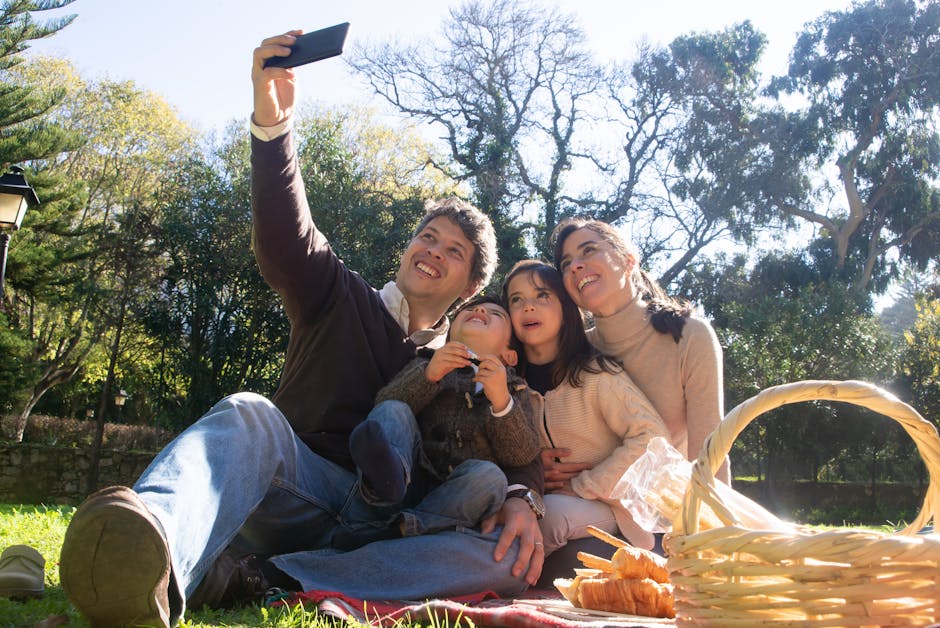
- Improved Quality of Life: Many people are drawn to the quieter, more relaxed pace of life in suburban or rural areas. This can lead to reduced stress, improved mental health, and a greater sense of community.
- Access to Nature: Living outside the city often provides easier access to parks, forests, and other natural spaces. This can be a major draw for those who enjoy outdoor activities like hiking, biking, or fishing.
- Better Schools: Suburban and rural school districts are sometimes perceived as having better schools than those in urban areas, which can be a significant factor for families with children.
- Reduced Congestion (Potentially): While it might seem counterintuitive, the reverse commute can sometimes involve less traffic congestion than the traditional commute into the city, depending on the specific routes and times.
However, it's important to weigh these benefits against the potential drawbacks, such as longer commute times and limited access to certain urban amenities. The best choice depends on individual priorities and circumstances.
Planning Your Reverse Commute
A successful reverse commute requires careful planning and consideration. Here are some key factors to keep in mind:
- Transportation Options: Research your transportation options thoroughly. Will you be driving, taking public transportation, or a combination of both? Consider the cost, travel time, and reliability of each option.
- Commute Time: Be realistic about the commute time. Factor in traffic, potential delays, and the impact on your work-life balance. Use apps like Google Maps https://www.google.com/maps to estimate travel times at different times of day.
- Job Location: Consider the specific location of your job and its accessibility from your desired living area. Are there convenient routes or public transportation options available?
- Lifestyle Considerations: Think about your lifestyle and what's important to you. Do you value access to cultural events, nightlife, or diverse dining options? If so, living further from the city center might not be the best choice.
- Trial Run: Before making a permanent move, consider doing a trial run of the reverse commute for a week or two. This will give you a better sense of the realities of the commute and whether it's a good fit for you.
Tools like Citymapper can be helpful for planning public transportation routes, while websites like Zillow or Redfin can assist in finding housing in different areas. Don't hesitate to consult with real estate agents or transportation experts for advice.

Making the Most of Your New Lifestyle
Once you've made the decision to reverse commute, there are several ways to maximize the benefits and create a fulfilling lifestyle:
- Embrace the Outdoors: Take advantage of the access to nature by spending time outdoors. Go for hikes, bike rides, or simply relax in a park.
- Get Involved in the Community: Join local clubs, organizations, or volunteer groups to connect with your neighbors and build a sense of community.
- Create a Comfortable Home Environment: Since you'll likely be spending more time at home, make sure your living space is comfortable and conducive to relaxation and productivity.
- Explore Local Amenities: Discover the unique shops, restaurants, and attractions in your new area. Support local businesses and get to know the people who run them.
- Maintain Connections with the City: Don't completely disconnect from the city. Make occasional trips to enjoy cultural events, visit friends, or dine at your favorite restaurants.
The key is to find a balance between enjoying the peace and quiet of suburban or rural life and maintaining connections with the vibrancy and opportunities of the city. Consider using apps like Meetup to find local groups with shared interests.
| Benefit | Challenge | Solution |
|---|---|---|
| Affordable Housing | Longer Commute | Optimize commute route; consider public transport |
| Access to Nature | Limited City Amenities | Plan occasional city visits; explore local amenities |
| Quieter Lifestyle | Potential Isolation | Join local groups; stay connected with city friends |

The Future of Commuting
The reverse commute is likely to become even more common in the years to come, driven by several factors. The increasing prevalence of remote work options, the rising cost of living in cities, and a growing desire for work-life balance are all contributing to this trend.
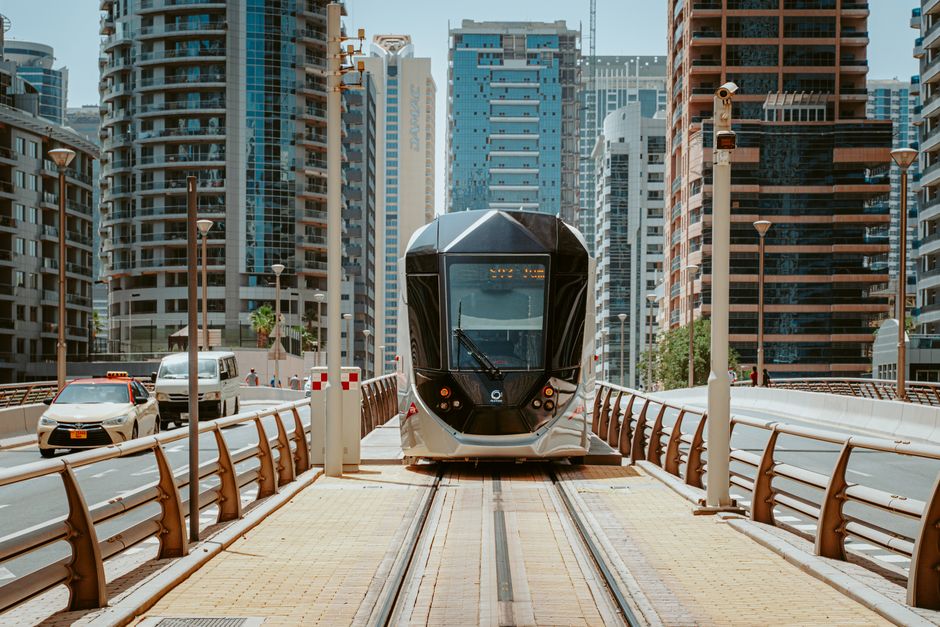
As technology continues to evolve, we can expect to see even more innovative solutions that make commuting easier and more efficient. This could include improved public transportation systems, self-driving cars, and more sophisticated ride-sharing services. Companies are also increasingly offering flexible work arrangements, such as compressed workweeks or telecommuting options, which can further reduce the need for daily commuting.
Ultimately, the future of commuting is about providing individuals with more choices and control over their work and lifestyle. The reverse commute is just one example of how people are adapting to changing circumstances and finding new ways to create a fulfilling and sustainable way of life. It represents a shift towards a more decentralized and flexible work environment, where people are empowered to live and work where they choose.
So, pack your bags, embrace the adventure, and discover the joy of working where you play!
-YourDad


Comments
Post a Comment