Reverse Staging Reality Check: Why Homes Don't Sell (and How to Fix It)
The 'Reverse Staging' Revelation: Are You Making These Mistakes?
So, you've put your house on the market, and... crickets. Days turn into weeks, and still no offers. You might be thinking, "The market is tough!" or "My agent isn't doing enough!" But have you considered that the problem might be hiding in plain sight, inside your own home? We're talking about 'reverse staging' – looking at your house through the critical eyes of a potential buyer and identifying the things that are actively turning them off.
Think of traditional staging as putting on your best face for a first date. Reverse staging, on the other hand, is like admitting you've been wearing sweatpants for the past year (no judgment!). It’s about acknowledging the flaws, the outdated decor, and the general clutter that screams, "This house needs work!" And trust me, buyers are noticing.
This isn't about blaming you! It's about providing a realistic assessment and actionable steps to transform your property from a hard sell to a hot commodity. Let's dive in!

Common Culprits: Identifying the Biggest Turn-Offs
Okay, let's get down to brass tacks. What are the biggest offenders when it comes to scaring away potential buyers? Here's a rundown of the most common issues we see:
- Over-Personalization: That gallery wall of family photos? Adorable, but it makes it hard for buyers to envision their lives in the space.
- Outdated Decor: We're talking shag carpets, avocado-green appliances, and wallpaper that's seen better decades. These scream "renovation project" and can significantly lower perceived value.
- Clutter, Clutter, Clutter: Piles of mail, overflowing closets, and countertops covered in appliances make your house look smaller and less appealing.
- Neglected Maintenance: Peeling paint, leaky faucets, and cracked tiles send a message of deferred maintenance and hidden costs.
- Bad Odors: Pet smells, lingering cooking odors, or musty basements can be immediate deal-breakers.
These issues aren't always obvious to homeowners because they've become accustomed to them. That's why a fresh perspective is crucial!

The Reverse Staging Audit: Time for a Reality Check
Ready to take a brutally honest look at your home? Here's how to conduct your own 'reverse staging' audit:
- Walk Through as a Buyer: Seriously, pretend you've never seen your house before. Pay attention to your initial impressions – what stands out, both good and bad?
- Enlist a Friend (or a Pro): Ask someone with a good eye for design and a willingness to be honest to walk through your home and provide feedback. A real estate agent specializing in your area can be an invaluable resource here.
- Take Photos and Videos: This helps you see your home from a different perspective and identify areas that need improvement.
- Be Objective: This is the hardest part! Try not to take criticism personally. Remember, the goal is to sell your house for the best possible price.
Once you've completed your audit, you'll have a clear picture of the areas that need attention.

Action Plan: Turning Turn-Offs into Selling Points
Now that you know what's holding your house back, it's time to take action. Here's a step-by-step plan to address those 'reverse staging' issues:
- Declutter Ruthlessly: This is the most important step! Donate, sell, or throw away anything you don't need or love. Consider renting a storage unit to temporarily house excess belongings. Services like Extra Space Storage can be helpful.
- Depersonalize the Space: Remove family photos, personal collections, and anything that makes it difficult for buyers to imagine themselves living in the house.
- Neutralize the Decor: Paint walls in neutral colors like beige, gray, or off-white. Replace outdated window treatments and light fixtures.
- Make Necessary Repairs: Fix leaky faucets, patch holes in walls, and address any other deferred maintenance issues. Even small repairs can make a big difference.
- Deep Clean and Freshen Up: A sparkling clean house is essential! Pay attention to details like cleaning windows, scrubbing grout, and eliminating odors. Consider hiring a professional cleaning service like Merry Maids.
Remember, you don't have to do everything at once. Prioritize the most impactful changes and tackle them one at a time.

Strategic Upgrades: Investing for Maximum Return
While decluttering and cleaning are essential, sometimes you need to invest a little money to get a big return. Here are some strategic upgrades that can significantly boost your home's appeal:
| Upgrade | Why It Matters |
|---|---|
| Kitchen Refresh | A fresh coat of paint on cabinets, new hardware, and updated countertops can make a huge difference without a full remodel. |
| Bathroom Updates | Replacing outdated fixtures, re-grouting tiles, and adding a fresh coat of paint can create a spa-like atmosphere. |
| Curb Appeal Boost | Landscaping, painting the front door, and adding new house numbers can make a great first impression. |
| New Flooring (if needed) | Replacing worn or outdated flooring can instantly update the look of your home. Consider neutral, durable options like hardwood or laminate. |
Consult with your real estate agent to determine which upgrades will provide the best return on investment in your specific market.

Beyond the Physical: Addressing the Intangibles
Sometimes, the reasons a home doesn't sell go beyond the physical appearance. Consider these intangible factors:
- Pricing: Is your house priced competitively for the current market? Overpricing is a surefire way to deter buyers. Work with your agent to determine the optimal price point.
- Marketing: Is your house being marketed effectively? High-quality photos, virtual tours, and a strong online presence are essential.
- Accessibility: Are you making it easy for buyers to see your house? Be flexible with showings and be willing to accommodate their schedules.
- Negotiation: Are you willing to negotiate with potential buyers? Being too rigid can cost you a sale.
Selling a house is a complex process, but by addressing both the physical and intangible factors, you can significantly increase your chances of success. Remember, 'reverse staging' is about more than just making your house look pretty – it's about creating a space that buyers can envision themselves calling home.
Good luck, and happy selling!
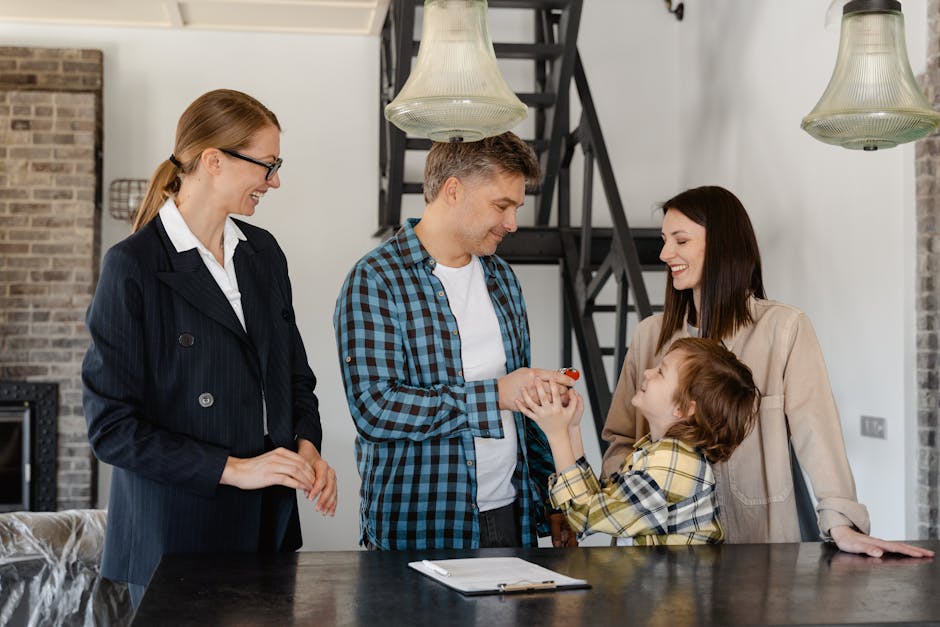
So, take a deep breath, tackle those underlying issues, and get ready to watch your "For Sale" sign finally turn into a "Sold!" sign.
-YourDad


Comments
Post a Comment