Reverse Rainbow Rooms: De-saturated Decor for Sensory Minimalism
Introduction: Embracing Sensory Minimalism
In a world saturated with vibrant colors and constant stimulation, the concept of a "reverse rainbow room" offers a refreshing alternative. Imagine a space deliberately designed with de-saturated hues, muted tones, and a focus on sensory minimalism. This isn't about creating a dull or lifeless environment; rather, it's about curating a calming and restorative sanctuary that reduces sensory overload and promotes relaxation. Reverse rainbow rooms are gaining popularity as people seek refuge from the intensity of modern life, creating havens of peace and tranquility within their own homes.
This approach to interior design is particularly beneficial for individuals who are sensitive to sensory input, such as those with autism spectrum disorder (ASD), sensory processing disorder (SPD), or anxiety. However, the appeal extends far beyond these specific groups. Anyone seeking a more mindful and peaceful living space can benefit from the principles of de-saturated decor. By intentionally limiting the amount of visual and sensory stimulation, reverse rainbow rooms allow the mind to unwind, focus, and recharge.
The core idea is to create a visually quiet environment. This involves selecting colors that are less intense and more muted, minimizing patterns and visual clutter, and focusing on textures and natural materials. The goal is to reduce the amount of information the brain has to process, thereby creating a sense of calm and order. Let's delve into the specific elements that contribute to the creation of a successful reverse rainbow room.

Color Palette: The Foundation of Calm
The color palette is arguably the most crucial aspect of a reverse rainbow room. Instead of bright, bold colors, the focus is on muted, de-saturated tones. Think of the colors you might find in nature on a foggy day: soft grays, muted greens, gentle blues, and warm beiges. These colors have a calming effect on the nervous system and help to create a sense of tranquility.
Here are some color palette ideas for reverse rainbow rooms:
- Monochromatic Greys: A range of grey shades, from light silver to charcoal, can create a sophisticated and calming atmosphere.
- Earthy Neutrals: Combine beige, cream, and light brown tones for a warm and inviting space.
- Muted Blues and Greens: Soft blues and greens evoke a sense of nature and tranquility.
- Pastel Hues: De-saturated pastel colors, such as lavender, rose, and mint green, can add a touch of softness and serenity.
When selecting colors, consider the overall mood you want to create. Lighter colors tend to create a sense of spaciousness and airiness, while darker colors can create a more intimate and cozy atmosphere. It's also important to consider the existing lighting in the room. Natural light can enhance the calming effect of de-saturated colors, while artificial light may require some adjustments to ensure the colors don't appear too harsh or cold.

Materials and Textures: Engaging the Senses Subtly
While color plays a significant role, the materials and textures used in a reverse rainbow room are equally important. The goal is to create a tactile experience that is both comforting and stimulating, but without overwhelming the senses. Natural materials, such as wood, cotton, linen, and wool, are excellent choices for achieving this balance.
Consider incorporating these elements into your reverse rainbow room:
- Soft Furnishings: Opt for plush rugs, comfortable cushions, and cozy blankets in natural fibers.
- Wooden Accents: Introduce wooden furniture, shelving, or decorative items to add warmth and texture.
- Natural Stone: Incorporate stone elements, such as a stone fireplace or decorative stones, for a grounding effect.
- Plants: Add greenery to the room to bring a touch of nature indoors and improve air quality. Choose plants with soft, rounded leaves rather than spiky or overly vibrant foliage.
Avoid materials that are overly shiny, reflective, or textured, as these can be visually distracting. Instead, focus on materials that have a matte finish and a subtle texture. For example, a linen curtain will provide a softer and more diffused light than a shiny satin curtain. Similarly, a textured wool rug will be more grounding and comforting than a smooth, synthetic rug.
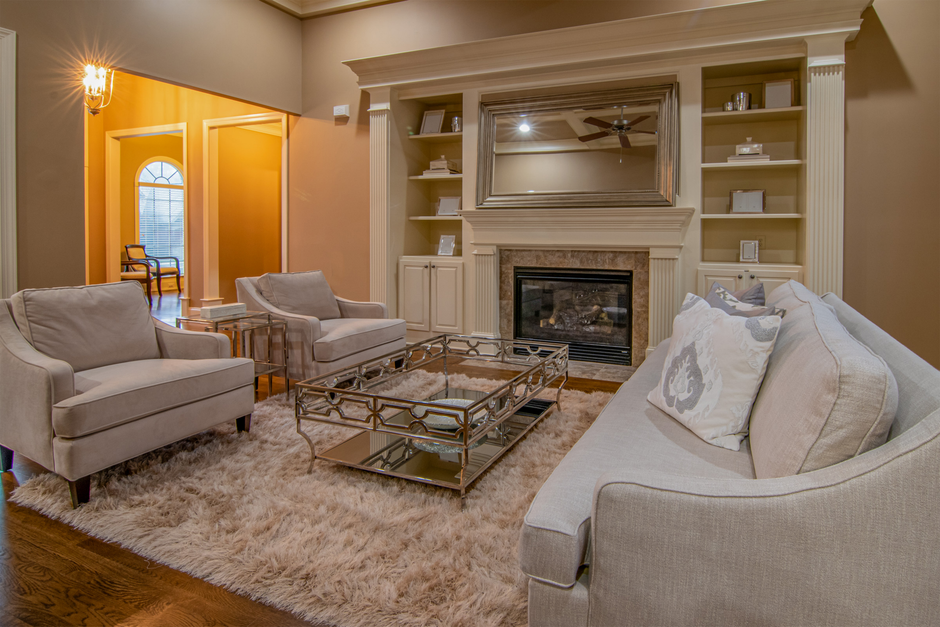
Minimizing Visual Clutter: Creating a Sense of Order
One of the key principles of sensory minimalism is to minimize visual clutter. This means decluttering the space and reducing the number of objects on display. A cluttered environment can be overwhelming for the senses and can contribute to feelings of stress and anxiety. By creating a sense of order and simplicity, you can promote a more calming and peaceful atmosphere.
Here are some tips for minimizing visual clutter in your reverse rainbow room:
- Declutter Regularly: Make it a habit to declutter your space regularly, removing any items that you no longer need or use.
- Storage Solutions: Invest in storage solutions, such as baskets, bins, and cabinets, to keep items organized and out of sight.
- Minimalist Decor: Choose a few carefully selected decorative items that you truly love and that complement the overall aesthetic of the room.
- Clear Surfaces: Keep surfaces, such as tables and countertops, clear of clutter.
It's also important to consider the arrangement of furniture in the room. Avoid overcrowding the space with too much furniture. Instead, focus on creating a functional and comfortable layout that allows for easy movement and flow. Consider using the principles of Feng Shui to optimize the flow of energy in the room.
Think about using apps like Magicplan or Roomplanner to visualize different furniture layouts before making any changes.

Lighting and Sound: Enhancing the Sensory Experience
The final elements to consider when creating a reverse rainbow room are lighting and sound. Both of these factors can have a significant impact on the overall sensory experience of the space. The goal is to create a lighting scheme that is soft, diffused, and calming, and a sound environment that is peaceful and relaxing.
For lighting, consider the following:
- Natural Light: Maximize the amount of natural light in the room by using sheer curtains or blinds that allow light to filter through.
- Soft Lighting: Use lamps with soft, warm bulbs instead of harsh overhead lighting.
- Dimming Options: Install dimmer switches to adjust the level of lighting according to your needs.
For sound, consider the following:
- Minimize Noise: Reduce noise pollution by using soundproofing materials, such as thick curtains or rugs.
- Calming Sounds: Introduce calming sounds, such as nature sounds or gentle music, to create a relaxing atmosphere. Apps like Calm or Headspace offer a variety of ambient soundscapes.
- White Noise: Consider using a white noise machine to mask distracting sounds and promote relaxation.
By carefully considering the lighting and sound in your reverse rainbow room, you can create a truly immersive and restorative sensory experience. Remember, the goal is to create a space that is tailored to your individual needs and preferences, so don't be afraid to experiment and find what works best for you.

Embrace the calm and create a space that truly nurtures your well-being.
-YourDad


Comments
Post a Comment