Sentimental Salvage: Family Heirlooms into High-End Decor (and Income!)
Sentimental Salvage: Family Heirlooms into High-End Home Decor (and Income!)
Do you have a treasure trove of family heirlooms gathering dust in the attic? Perhaps a stack of vintage linens, an old set of china, or even grandpa's trusty tools? Instead of letting these precious pieces fade into obscurity, why not breathe new life into them by transforming them into unique, high-end home decor? Not only will you be preserving your family's history, but you could also create stunning conversation starters and even generate a little income along the way. This guide will show you how to turn sentimental salvage into stylish decor and explore potential revenue streams.
We'll delve into creative repurposing ideas, explore DIY projects, and discuss how to market your creations if you choose to sell them. Get ready to unlock the potential hidden within those forgotten treasures!

Assessing Your Heirlooms: What's Worth Saving (and Repurposing)?
Before you start tearing apart grandma's antique dresser, it's crucial to assess your heirlooms. Not everything is a prime candidate for repurposing, and some items might be more valuable left in their original condition. Here's a step-by-step approach:
- Take Inventory: Gather all your potential heirlooms in one place. This will give you a clear overview of what you have to work with.
- Assess Condition: Carefully examine each item for damage, wear, and tear. Note any repairs that might be needed.
- Consider Sentimental Value vs. Monetary Value: Some items may have immense sentimental value but little monetary worth, while others might be valuable antiques. Researching the potential monetary value of an item can help you decide whether to repurpose it or preserve it as is. Consider consulting an appraiser for valuable antiques.
- Think Creatively: Brainstorm potential repurposing ideas for each item. How could you transform it into something new and beautiful?
Remember, the goal is to honor the history of these items while giving them a new purpose. Don't be afraid to think outside the box!

Creative Repurposing Ideas: From Drab to Fab
Now for the fun part! Here are some inspiring ideas to get your creative juices flowing:
- Vintage Linens: Transform old tablecloths and napkins into throw pillows, curtains, or even patchwork quilts. You could also use delicate lace to create dreamcatchers or embellish clothing.
- China and Dishes: Turn chipped teacups into charming planters for succulents. Create mosaic art using broken plates. Old platters can be repurposed as jewelry trays or decorative wall art.
- Old Tools: Grandpa's tools can become industrial-chic decor. Mount wrenches and screwdrivers on a board to create a unique coat rack. Use old gears and cogs to make steampunk-inspired sculptures.
- Vintage Suitcases: Stack vintage suitcases to create a unique side table or bedside stand. Line them with fabric to create stylish storage containers.
- Antique Books: Hollow out old books to create hidden storage compartments. Use book pages to create paper flowers or decoupage furniture.
These are just a few examples to spark your imagination. The possibilities are endless! Pinterest and Instagram are great sources of inspiration for repurposing projects.

DIY Projects: Bringing Your Vision to Life
Once you have a clear idea of what you want to create, it's time to roll up your sleeves and get crafty. Here are a few DIY project ideas with increasing levels of complexity:
| Project | Description | Skill Level |
|---|---|---|
| Teacup Planters | Drill a drainage hole in the bottom of a vintage teacup and fill it with potting soil. Plant a succulent or small flower. | Beginner |
| Linen Throw Pillows | Cut vintage linens into squares or rectangles and sew them together to create a pillow cover. Stuff with batting or a pillow insert. | Beginner |
| Tool Coat Rack | Mount old wrenches and screwdrivers onto a wooden board. Attach hooks for hanging coats, hats, and scarves. | Intermediate |
| Suitcase Side Table | Stack vintage suitcases and secure them together with glue or screws. Add legs for stability. | Intermediate |
| Book Storage Compartment | Carefully hollow out the inside of an antique book, leaving the cover and a few pages intact. Create a hidden compartment for storing small items. | Advanced |
Remember to prioritize safety when working with tools and materials. Always wear appropriate protective gear and follow instructions carefully. There are tons of tutorials available on YouTube and other online platforms to guide you through each step.

Marketing Your Creations: Turning Your Hobby into Income
If you enjoy repurposing heirlooms and have a knack for creating beautiful things, you might consider selling your creations. Here are a few avenues to explore:
- Etsy: Etsy is a popular online marketplace for handmade and vintage items. It's a great platform to reach a wide audience of potential buyers.
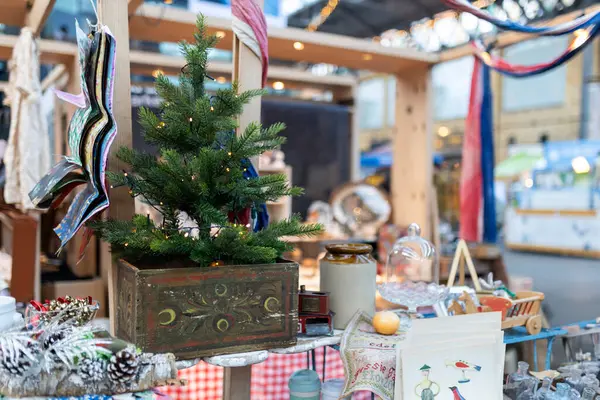
- Local Craft Fairs and Markets: Participating in local craft fairs and markets allows you to showcase your creations in person and connect with customers directly.
- Consignment Shops: Partner with consignment shops that specialize in vintage or repurposed items. They'll handle the selling process for you, taking a percentage of the profits.
- Social Media: Use social media platforms like Instagram and Facebook to showcase your creations and attract potential buyers.
- Your Own Website: Create your own website or online store using platforms like Shopify or Squarespace to have full control over your brand and sales process.
When marketing your creations, it's important to highlight the unique story behind each piece. Emphasize the fact that they are made from repurposed family heirlooms, adding a touch of history and sentimentality. High-quality photos and detailed descriptions are also essential for attracting buyers.
Pricing Strategies: Finding the Sweet Spot
Determining the right price for your repurposed heirlooms can be tricky. You need to consider the cost of materials, the time and effort involved in creating each piece, and the perceived value of the item. Here are a few pricing strategies to consider:
- Cost-Plus Pricing: Calculate the total cost of materials and labor, and then add a markup to determine the selling price.
- Competitive Pricing: Research the prices of similar items on Etsy and other online marketplaces. Price your items competitively to attract buyers.
- Value-Based Pricing: Consider the perceived value of your creations. Repurposed heirlooms often have a higher perceived value due to their unique history and sentimental appeal.
- Psychological Pricing: Use psychological pricing techniques, such as ending prices in .99 or .95, to make your items seem more appealing.
Don't be afraid to experiment with different pricing strategies to find what works best for you. You can also offer discounts or promotions to attract new customers.

Legal Considerations: Protecting Your Business
Before you start selling your repurposed heirlooms, it's important to be aware of any legal considerations. Here are a few key areas to address:
- Business License: Depending on your location, you may need to obtain a business license or permit to sell your creations. Check with your local government for specific requirements.
- Sales Tax: You may be required to collect and remit sales tax on your sales. Check with your state or local tax authority for more information.
- Copyright and Trademark: Be careful not to infringe on any existing copyrights or trademarks when repurposing heirlooms. Avoid using logos or designs that are protected by intellectual property laws. You can check the USPTO Trademark Electronic Search System (TESS) (https://www.uspto.gov/trademarks/search) to avoid trademark issues.
- Liability Insurance: Consider purchasing liability insurance to protect yourself in case someone is injured or their property is damaged as a result of your products.
Consult with a legal professional to ensure that you are in compliance with all applicable laws and regulations.
So, go ahead, unlock the potential in those cherished pieces and let your family history shine, beautifully and profitably!
-YourDad


Comments
Post a Comment