The "Reverse Library": Creating Hidden Messages with Spine-In Book Arrangement
Unlocking the Secrets of the Reverse Library
Have you ever considered the silent stories hiding on the *inside* of a book? While we typically judge books by their covers (or, more accurately, their spines), a fascinating trend known as the "reverse library" flips this convention on its head. This unique approach involves arranging books with their spines facing inward, revealing the pages and creating a distinctive visual effect. But it's more than just aesthetics; the reverse library opens up possibilities for creating hidden messages and personalized displays.
The core concept revolves around concealing the traditional information displayed on book spines – titles, authors, publishers – and instead highlighting the texture, color, and form of the book's pages. This creates a sense of mystery and invites closer inspection. Beyond the purely decorative aspect, the reverse library can be used as a creative medium for spelling out words, initials, or even short phrases using the edges of the pages. Imagine walking into a room and seeing a bookshelf subtly spelling out "WELCOME" or the initials of the homeowner. It's a conversation starter and a testament to the power of unconventional design.
This trend has gained traction among interior design enthusiasts, book lovers, and anyone seeking a unique way to personalize their living spaces. It's a blend of literary appreciation and artistic expression, transforming ordinary bookshelves into captivating focal points.

The Art of Spine-In Book Arrangement
Creating a reverse library is surprisingly simple, but achieving a truly stunning effect requires careful consideration and planning. The first step involves gathering your materials: books, of course! The number of books you'll need depends on the size of your bookshelf and the desired length of your message or design. Consider using books of varying sizes and thicknesses to add visual interest. Thrift stores, used bookstores, and even your own overflowing shelves are great sources for suitable books.
Next, assess your bookshelf. Measure the available space and determine how you want to arrange the books. Will you be creating a single, continuous message across the entire shelf, or will you be dividing the space into smaller sections? Once you have a clear plan, you can begin arranging the books with their spines facing inward. Experiment with different orientations and groupings until you achieve the desired look. Don't be afraid to rearrange and refine your design until you're completely satisfied.
Consider the color palette of the book pages. Older books often have a warmer, more aged tone, while newer books tend to be brighter and whiter. You can use this variation in color to create gradients, patterns, or contrasting effects. For example, you could arrange the books from lightest to darkest, creating a subtle ombre effect across the bookshelf.

Crafting Hidden Messages
The most captivating aspect of the reverse library is the ability to create hidden messages. This requires a bit more planning and precision, but the results are well worth the effort. Start by sketching out your message on paper. Determine the number of books you'll need for each letter or symbol. Keep in mind that the visibility of each letter will depend on the thickness and color of the book pages.
Once you have your message mapped out, begin selecting the appropriate books. Look for books with pages that are relatively uniform in color and texture. Use a ruler or straight edge to align the books and ensure that the letters are clearly defined. You may need to experiment with different arrangements and spacing to achieve the desired effect. Consider using small objects, such as paperclips or rubber bands, to hold the books in place while you're working.
Here's a simple example: to spell out the word "READ", you would need four sections of books. The first section would be arranged to form the letter "R", the second section would form the letter "E", and so on. The key is to use the edges of the pages to create the outline of each letter. This may involve slightly angling or offsetting some of the books to achieve the desired shape.

Tools & Resources for Reverse Library Enthusiasts
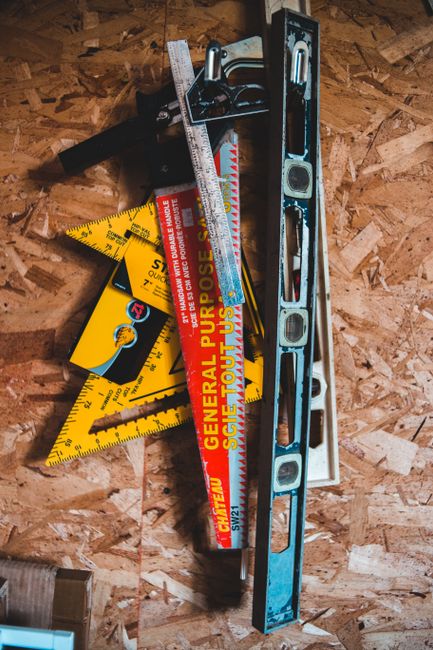
While the reverse library is a relatively low-tech art form, there are a few tools and resources that can help you streamline the process and achieve professional-looking results. One essential tool is a good-quality ruler or straight edge. This will help you align the books and ensure that your messages are straight and evenly spaced. A level can also be helpful for ensuring that the bookshelf itself is level, which is crucial for creating a visually appealing display.
Online resources, such as Pinterest and Instagram, are excellent sources of inspiration and ideas. Search for "reverse library" or "spine-in book arrangement" to find a wealth of examples and tutorials. You can also find helpful tips and advice on online forums and blogs dedicated to interior design and book art. Consider using apps like Canva to design your messages beforehand.
Here's a list of helpful tools:
- Ruler or Straight Edge
- Level
- Pencil
- Eraser
- Measuring Tape
- Online Design Tools (e.g., Canva)
Beyond the Bookshelf: Alternative Applications
The reverse library concept isn't limited to bookshelves. You can apply this technique to other areas of your home or office to create unique and eye-catching displays. Consider using a stack of books as a decorative element on a coffee table or side table. Arrange the books with their spines facing inward to create a textured, sculptural effect. You can also use books to create a headboard for your bed or a room divider.
Another creative application is to use books as a backdrop for displaying artwork or photographs. Arrange the books behind the artwork to create a textured, layered effect. The neutral color of the book pages will provide a subtle contrast to the artwork, making it stand out even more. You can also use books to create a unique and personalized gift. Arrange a small stack of books with their spines facing inward and write a message on the edges of the pages.
Think outside the box and experiment with different materials and arrangements. The possibilities are endless!

The Enduring Appeal of the Reverse Library
The reverse library is more than just a fleeting trend; it's a testament to the enduring power of books and the human desire for creativity and self-expression. It's a way to breathe new life into old books, transforming them into works of art. It's a conversation starter, a personal statement, and a reminder that beauty can be found in unexpected places.
Whether you're a seasoned interior designer or a casual book lover, the reverse library offers a unique and rewarding way to personalize your living space. So, gather your books, unleash your creativity, and start crafting your own hidden messages. You might be surprised at the stories you can tell.
Embrace the unconventional and discover the hidden beauty within your books. The reverse library awaits!

So, go ahead and unleash your inner book artist and spread a little literary joy, one spine at a time!
-YourDad


Comments
Post a Comment