The "Reverse Lunchbox": Pack Dinner for Lunch and Reclaim Your Evenings
The "Reverse Lunchbox": Revolutionizing Meal Prep
Are you tired of the daily lunch-packing grind? Do you find yourself scrambling to throw something together in the morning, only to end up with uninspired, unhealthy meals? What if I told you there's a simple strategy that could save you time, improve your diet, and even free up your evenings? Enter the "Reverse Lunchbox" – the concept of packing dinner leftovers for lunch the next day. It's a game-changer for busy individuals and families alike.
The Reverse Lunchbox isn't just about convenience; it's about optimizing your entire meal planning process. By intentionally cooking extra at dinner, you're already halfway to a delicious and nutritious lunch. This eliminates the need for separate lunch prep, reduces food waste, and ensures you're enjoying a balanced meal, even on your busiest days.
In this post, we'll explore the many benefits of the Reverse Lunchbox, provide practical tips for implementation, and offer inspiration for delicious and easy-to-pack meals. Get ready to transform your lunch routine and reclaim your evenings!
Benefits of Packing Dinner for Lunch
The Reverse Lunchbox offers a multitude of advantages, making it a worthwhile strategy for anyone looking to simplify their meal prep and improve their eating habits. Here are some key benefits:
- Saves Time: By packing dinner leftovers, you eliminate the need for separate lunch preparation. This can save you significant time in the mornings or during your already packed evenings.
- Reduces Food Waste: Using leftovers minimizes food waste, as you're utilizing food that would otherwise potentially go bad.
- Encourages Healthier Eating: When you control what goes into your dinner, you also control what goes into your lunch. This allows you to make healthier choices and avoid processed foods or unhealthy takeout options.
- Cost-Effective: Packing your own lunch is generally more affordable than eating out or buying pre-made meals. The Reverse Lunchbox leverages your existing dinner budget.
- Variety and Flavor: Dinner often includes a wider variety of ingredients and flavors compared to typical lunch options. Enjoying these flavors again at lunchtime can make your midday meal more satisfying.
- Reduces Decision Fatigue: No more staring into the refrigerator wondering what to make for lunch. The decision is already made!
Getting Started with the Reverse Lunchbox
Implementing the Reverse Lunchbox is easier than you might think. Here's a step-by-step guide to get you started:
- Plan Your Dinners: Start by planning your dinners for the week. Consider which meals would be suitable for packing as leftovers. Meals with sauces, stews, roasted vegetables, and cooked grains tend to work well.
- Cook Extra: When preparing dinner, intentionally cook a larger portion than you need for that meal. Aim to cook enough for at least one lunch portion per person.
- Cool and Store Properly: Allow the leftovers to cool slightly before packing them into airtight containers. Store the containers in the refrigerator as soon as possible, ideally within two hours of cooking to prevent bacterial growth. The USDA provides guidelines for safe food handling.
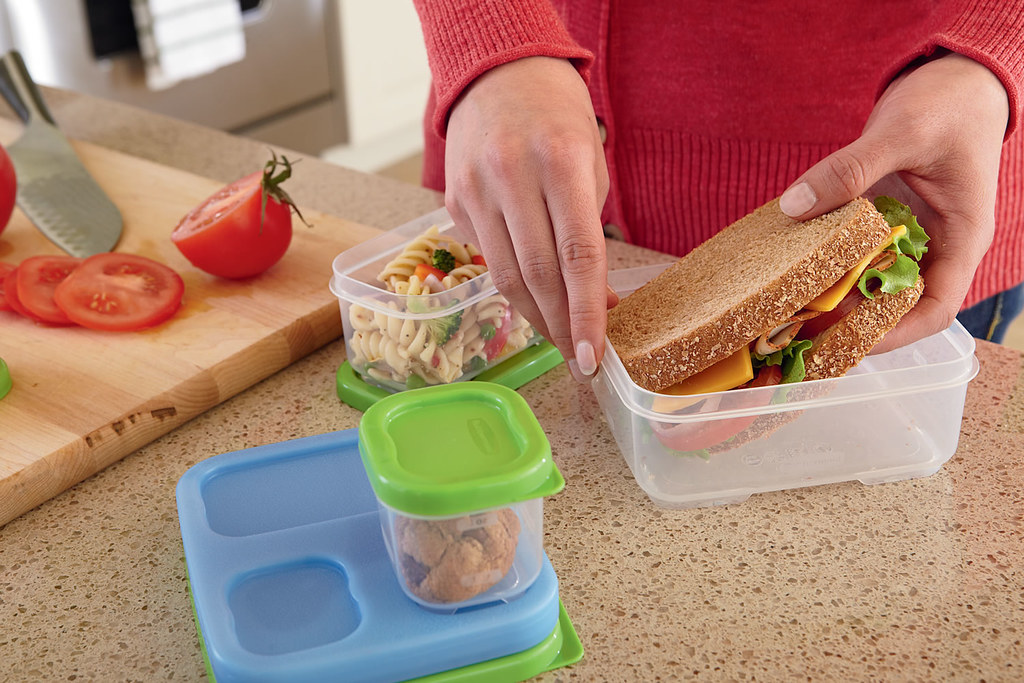
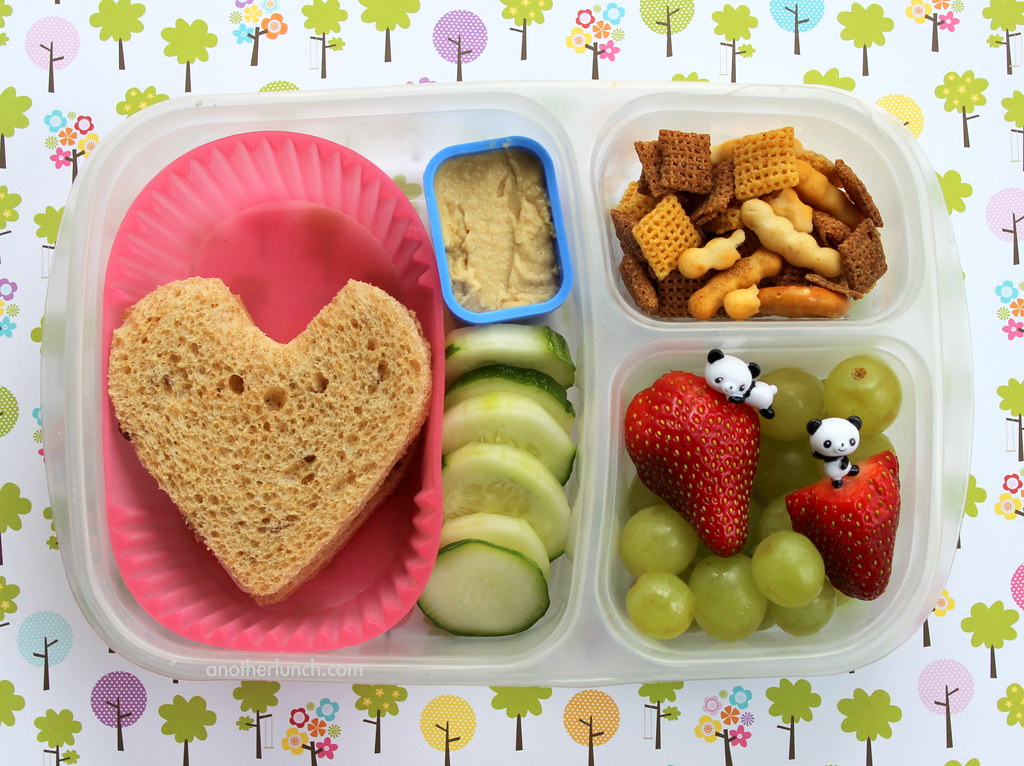
- Choose the Right Containers: Invest in a good set of reusable, airtight containers. Glass or BPA-free plastic containers are excellent choices. Consider containers with separate compartments to keep different food items from mixing.
- Pack Strategically: When packing your lunch, consider the order in which you'll be eating the food. Pack items that need to be heated separately from those that are best enjoyed cold. Include utensils and any necessary condiments.
- Consider Temperature: If your workplace doesn't have a refrigerator, use insulated lunch bags and ice packs to keep your lunch cold and safe. For hot lunches, use a thermos to maintain the temperature.
Reverse Lunchbox Meal Ideas
Here are some delicious and easy-to-pack meal ideas that are perfect for the Reverse Lunchbox:
- Pasta Dishes: Pasta with marinara sauce, pesto, or creamy vegetable sauces are excellent choices. Pack a side salad or some steamed vegetables to complete the meal.
- Stews and Soups: Hearty stews and soups are easy to reheat and provide a satisfying and nutritious lunch. Consider chili, lentil soup, or chicken noodle soup.
- Roasted Vegetables and Grains: Roasted vegetables like broccoli, sweet potatoes, and Brussels sprouts pair well with grains like quinoa, brown rice, or farro. Add a protein source like grilled chicken or chickpeas for a balanced meal.
- Casseroles: Casseroles are perfect for the Reverse Lunchbox. Think shepherd's pie, lasagna, or chicken and rice casserole.
- Curries: Vegetable curries are flavorful and easy to pack. Serve with rice or naan bread.
- Salads with Grilled Protein: Grill extra chicken, fish, or tofu at dinner and use it to top a salad for lunch. Add plenty of vegetables, nuts, and seeds for added nutrition and flavor.
| Meal Idea | Description | Packing Tips |
|---|---|---|
| Chicken Stir-Fry | Chicken and vegetables in a savory sauce, served over rice. | Pack rice separately to prevent it from becoming soggy. |
| Lentil Soup | Hearty and flavorful lentil soup with vegetables. | Use a thermos to keep the soup hot until lunchtime. |
| Salmon with Roasted Asparagus | Flaky salmon with tender roasted asparagus. | Pack a lemon wedge to squeeze over the salmon before eating. |

Tips for Success with the Reverse Lunchbox
To make the Reverse Lunchbox a sustainable habit, consider these helpful tips:
- Plan Ahead: Take some time each week to plan your dinners and identify which meals will work well for leftovers.
- Invest in Quality Containers: Durable, airtight containers will keep your food fresh and prevent leaks.
- Label Your Containers: Labeling containers with the date will help you keep track of leftovers and ensure you're eating them within a safe timeframe.
- Get Creative with Leftovers: Don't be afraid to repurpose leftovers into new dishes. For example, leftover roasted chicken can be used in salads, sandwiches, or tacos.
- Involve the Family: Get your family involved in the Reverse Lunchbox process. Ask for their input on meal planning and have them help with packing lunches.
- Don't Be Afraid to Experiment: Try different meal combinations and find what works best for you and your family.

Addressing Common Concerns
You might have some concerns about packing dinner for lunch. Let's address a few common ones:
- "Will the food still taste good the next day?" Proper storage is key. Ensure leftovers are cooled and refrigerated promptly. Some foods, like soups and stews, actually taste better the next day as the flavors meld together.
- "I don't have time to cook extra at dinner." Start small. Even cooking a slightly larger portion can make a difference. Consider doubling recipes on weekends when you have more time.
- "My kids are picky eaters." Involve your children in the meal planning process and let them choose some of the meals that will be packed for lunch. This can increase their willingness to try new things.
- "I'm worried about food safety." Follow proper food handling guidelines, such as cooling leftovers quickly and storing them at the correct temperature. The CDC website offers comprehensive food safety information.

Embrace the Reverse Lunchbox Lifestyle
The Reverse Lunchbox is more than just a meal prep strategy; it's a lifestyle change that can bring significant benefits to your health, your wallet, and your free time. By embracing this simple concept, you can transform your lunch routine and reclaim your evenings. So, start planning your dinners, cook a little extra, and get ready to enjoy delicious and convenient lunches every day!
Give the Reverse Lunchbox a try this week and see how it can simplify your life. You might be surprised at how much time and energy you save. Happy lunch packing!
So, embrace the reverse lunchbox and rediscover the joy of relaxed, delicious evenings!
-YourDad


Comments
Post a Comment