Toilet Paper Roll Cityscapes: Eco-Art for a Sustainable Tomorrow
Introduction: The Unassuming Canvas of Eco-Art
Have you ever looked at a humble toilet paper roll and seen more than just, well, a cardboard tube destined for the recycling bin? Probably not! But what if I told you that these everyday objects could be transformed into breathtaking works of art, contributing to a more sustainable future in the process? Welcome to the fascinating world of toilet paper roll cityscapes – a unique and eco-conscious art form that's capturing the imagination of creators and environmentalists alike.
In this blog post, we'll dive deep into the world of eco-art, exploring how simple materials like toilet paper rolls can be repurposed to create intricate and captivating cityscapes. We'll discuss the benefits of embracing sustainable art practices, provide step-by-step guides for creating your own TP roll masterpieces, and showcase some truly inspiring examples to spark your creativity. Get ready to unleash your inner artist and discover the endless possibilities of this surprisingly versatile medium!

Why Toilet Paper Roll Cityscapes? Embracing Sustainable Art
Why toilet paper rolls, you might ask? The answer is simple: sustainability. In a world grappling with environmental concerns, finding creative ways to reduce waste and repurpose materials is more important than ever. Toilet paper rolls, often discarded without a second thought, represent a readily available and abundant resource for artists seeking to minimize their environmental impact. By transforming these humble tubes into stunning works of art, we not only reduce waste but also raise awareness about the importance of sustainable practices.
Beyond the environmental benefits, working with toilet paper rolls offers a unique set of artistic advantages. Their cylindrical shape lends itself perfectly to creating buildings, towers, and other architectural elements, making them ideal for constructing cityscapes. The lightweight nature of the material allows for easy manipulation and assembly, while its neutral color provides a blank canvas for endless customization. Whether you're a seasoned artist or a beginner looking for a fun and eco-friendly project, toilet paper roll cityscapes offer a rewarding and accessible creative outlet.
Here are some of the key benefits of embracing toilet paper roll art:
- Reduces Waste: Diverts materials from landfills, contributing to a circular economy.
- Promotes Sustainability: Encourages eco-conscious practices in art and everyday life.
- Cost-Effective: Utilizes readily available and inexpensive materials.
- Versatile: Allows for endless creative possibilities and customization.
- Accessible: Suitable for artists of all skill levels.

Tools and Materials: Gathering Your Eco-Friendly Arsenal
Before you embark on your toilet paper roll cityscape adventure, it's essential to gather the necessary tools and materials. The good news is that most of these items are readily available in your home or at your local craft store. Here's a comprehensive list to get you started:
- Toilet Paper Rolls: The star of the show! Start collecting them well in advance.
- Scissors or Craft Knife: For cutting and shaping the rolls.
- Glue: White glue, hot glue, or craft glue will work. Hot glue is faster but requires more caution.
- Paint: Acrylic paints are ideal for adding color and detail.
- Brushes: A variety of sizes for different painting techniques.
- Ruler or Measuring Tape: For precise cuts and measurements.
- Pencil: For sketching and outlining designs.
- Cardboard or Foam Board: For creating a base for your cityscape.
- Optional Embellishments: Glitter, beads, sequins, markers, and other decorative items to add extra flair.
Consider these additional materials for enhancing your cityscape:
- Recycled Paper or Fabric Scraps: For adding texture and patterns to your buildings.
- LED Lights: To illuminate your cityscape and create a magical ambiance.
- Small Cardboard Boxes: For creating larger buildings or unique architectural features.

Step-by-Step Guide: Building Your Eco-Friendly Metropolis
Ready to start building your own toilet paper roll cityscape? Follow these simple steps to transform your collection of cardboard tubes into a stunning work of art:
- Planning and Design: Before you start cutting and gluing, take some time to plan your cityscape. Sketch out your design on paper, considering the size and shape of your buildings, the overall layout, and any specific architectural features you want to include.
- Preparing the Rolls: Cut the toilet paper rolls into various sizes and shapes to create different types of buildings. You can cut them in half, create slits, or fold them to achieve unique forms.
- Assembling the Buildings: Use glue to assemble the individual pieces of your buildings. Experiment with different combinations of shapes and sizes to create a diverse and interesting skyline.
- Painting and Detailing: Once the glue has dried, it's time to add color and detail to your buildings. Use acrylic paints to create realistic textures, patterns, and architectural details. Consider adding windows, doors, roofs, and other features to bring your cityscape to life.
- Creating the Base: Cut a piece of cardboard or foam board to the desired size for your cityscape base. You can paint or cover the base with paper or fabric to create a more visually appealing surface.
- Arranging the Buildings: Arrange your finished buildings on the base, experimenting with different layouts until you achieve the desired effect. Use glue to secure the buildings to the base.
- Adding Embellishments: Once your buildings are in place, it's time to add the finishing touches. Use glitter, beads, sequins, markers, and other decorative items to add extra flair and personality to your cityscape.
For example, you can make a skyscraper by keeping the toilet paper roll as is and painting it with metallic colors. For smaller buildings, you can cut the rolls into halves or quarters. To create unique architectural details, try cutting small triangles or squares from the rolls and attaching them to the buildings.

Creative Ideas and Inspiration: Let Your Imagination Soar
The beauty of toilet paper roll cityscapes lies in their endless creative possibilities. Here are a few ideas to spark your imagination:
- Theme-Based Cityscapes: Create cityscapes inspired by famous cities like New York, Paris, or Tokyo. Recreate iconic landmarks and architectural styles using toilet paper rolls.
- Fantasy Cityscapes: Let your imagination run wild and create fantastical cityscapes with whimsical buildings, floating islands, and magical creatures.
- Seasonal Cityscapes: Create cityscapes that reflect different seasons or holidays. Use colors, decorations, and themes that evoke the spirit of each season.
- Monochromatic Cityscapes: Challenge yourself to create a cityscape using only one color or a limited color palette. This can create a striking and sophisticated effect.
- Illuminated Cityscapes: Add LED lights to your cityscape to create a magical and enchanting ambiance. Use different colored lights to create unique effects.
Don't be afraid to experiment with different techniques and materials to create your own unique style. The most important thing is to have fun and let your creativity shine!
For inspiration, search online platforms such as Pinterest and Instagram for 'toilet paper roll art' to find a wide array of creative ideas and designs.

Showcasing Sustainable Art: Inspiring Examples
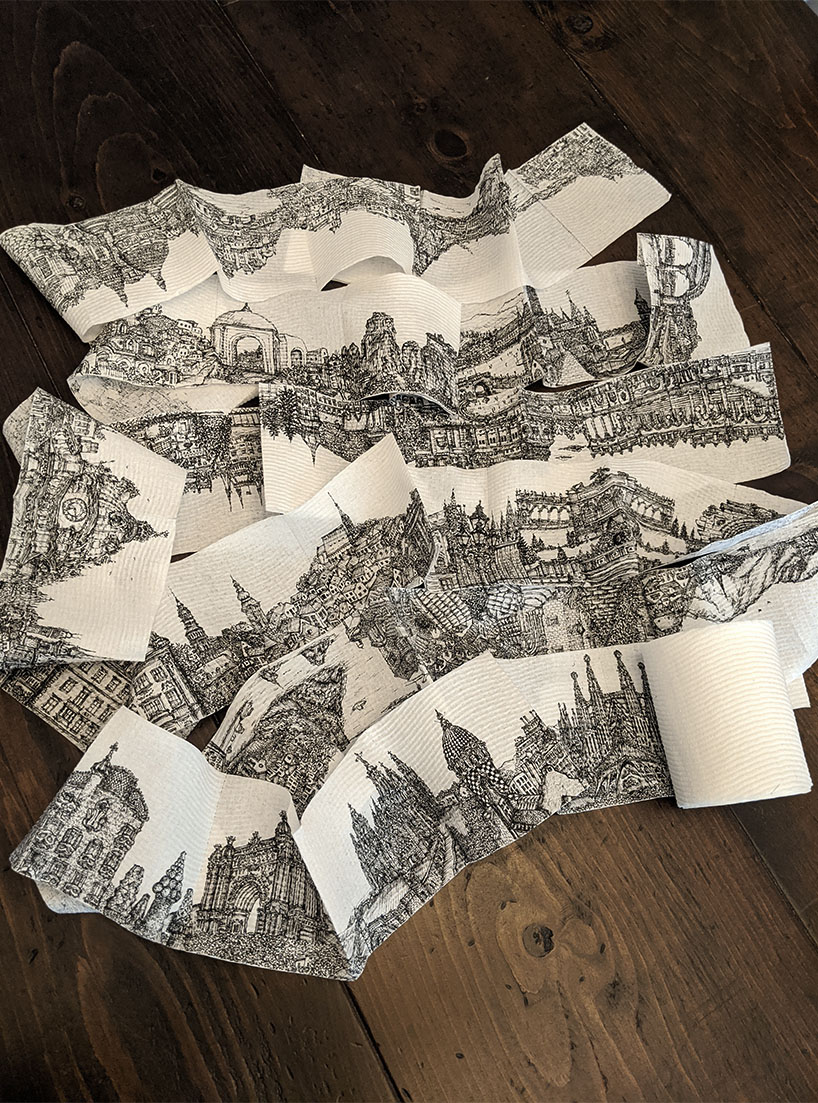
One of the most inspiring aspects of toilet paper roll cityscapes is the ability to transform something ordinary into something extraordinary. Artists around the world are embracing this eco-friendly art form and creating stunning works that showcase the beauty and potential of sustainable practices. From intricate miniature cityscapes to large-scale installations, the possibilities are truly endless.
Many schools and community centers have started incorporating toilet paper roll art projects into their curriculum, teaching children about sustainability and creativity. These projects not only help to reduce waste but also foster teamwork and problem-solving skills. The collaborative nature of these projects allows students to learn from each other and create something truly special together.
Here are some examples of how toilet paper roll cityscapes can be used in different settings:
| Setting | Description | Benefits |
|---|---|---|
| Schools | Art projects, environmental education | Promotes sustainability, creativity, teamwork |
| Community Centers | Workshops, collaborative art installations | Engages community members, raises awareness |
| Art Galleries | Exhibitions, showcasing sustainable art | Promotes eco-consciousness, inspires creativity |
The Future of Eco-Art: Building a Sustainable World, One Roll at a Time
Toilet paper roll cityscapes are more than just a fun and creative art project; they represent a powerful movement towards sustainability and environmental consciousness. By embracing eco-art practices, we can reduce waste, raise awareness, and inspire others to make a positive impact on the planet. The future of art lies in finding innovative ways to create beautiful and meaningful works while minimizing our environmental footprint.
As we move forward, it's important to continue exploring new and creative ways to repurpose materials and promote sustainable practices in all aspects of our lives. Whether it's through art, design, or everyday choices, every little bit counts. By working together, we can build a more sustainable future for ourselves and generations to come. So, the next time you reach for a toilet paper roll, remember the potential it holds – not just as a disposable item, but as a building block for a brighter, greener tomorrow.
Let's continue to support and encourage artists who are pushing the boundaries of sustainable art and inspiring us to see the world in a new light. Together, we can create a world where art and sustainability go hand in hand, building a more beautiful and eco-conscious future for all.
So, let's build a brighter, more beautiful future, one toilet paper roll cityscape at a time!
-YourDad


Comments
Post a Comment