Monetizing Grief: Ethical Quandaries of AI Digital Afterlives
Introduction: The Metaverse and the Hereafter
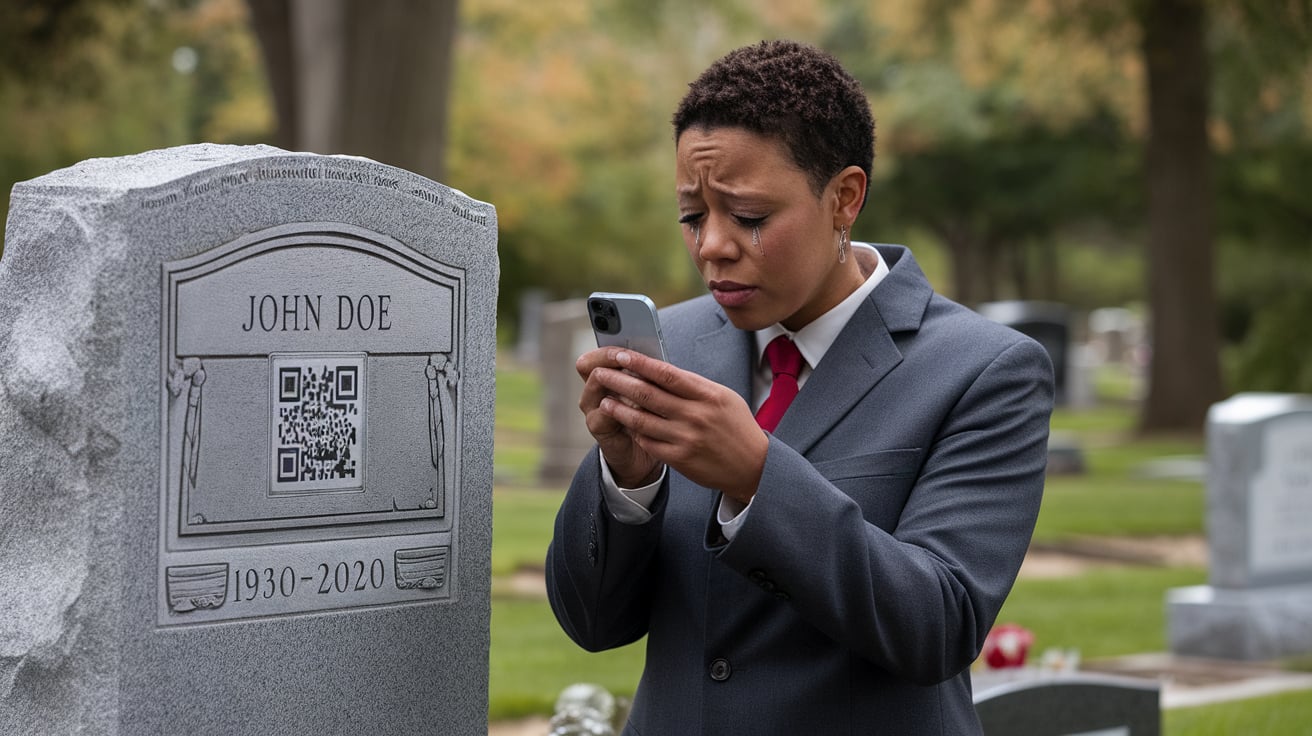
The metaverse, once a futuristic concept, is rapidly becoming a tangible reality. As our lives increasingly intertwine with digital realms, it's only natural to consider what happens to our online presence after death. This has led to the emergence of AI-powered digital afterlives – virtual spaces or avatars designed to simulate and preserve the essence of deceased individuals. While offering solace to the bereaved, these digital afterlives also open a Pandora's Box of ethical and financial considerations. Are we prepared to monetize grief on such a profound level? This article delves into the complex ethical landscape of AI digital afterlives, exploring the potential benefits, pitfalls, and the critical questions we must address as technology continues to blur the lines between life, death, and the digital realm.

The Rise of AI-Powered Digital Afterlives
Several companies are already pioneering the creation of digital afterlives. These services range from simple memorial websites to sophisticated AI models that can simulate conversations, mannerisms, and even the personality of the deceased. Here are a few examples:
- HereAfter AI: This platform allows users to create an interactive AI-powered avatar of themselves that can answer questions and share memories with loved ones after they're gone.
- StoryFile: StoryFile uses advanced AI to create interactive video biographies. Users can record themselves answering a wide range of questions, and after their death, loved ones can ask the AI questions and receive personalized video responses.
- DeepMotion: While not strictly focused on afterlives, DeepMotion's technology can be used to create realistic digital avatars that mimic human movements and expressions, paving the way for more immersive digital representations.
These technologies raise significant questions. How accurate are these simulations? How much control should users have over their digital afterlives? And what happens when these services are used for commercial purposes?

Ethical Considerations: A Digital Pandora's Box
The monetization of grief through AI-powered digital afterlives presents a host of ethical challenges. Consider the following:
- Authenticity and Accuracy: How can we ensure that these digital representations accurately reflect the deceased individual's personality, values, and beliefs? There's a risk of creating idealized or distorted versions of the deceased, potentially causing harm to their reputation or legacy.
- Data Privacy and Security: Digital afterlives rely on vast amounts of personal data, raising concerns about privacy and security. What measures are in place to protect this data from unauthorized access, misuse, or breaches? What happens to the data if the company providing the service goes out of business?
- Grief and Bereavement: While digital afterlives may offer comfort to some, they could also hinder the grieving process. Constant interaction with a digital representation of the deceased could prevent individuals from moving on and accepting their loss.
- Exploitation and Manipulation: There's a risk that digital afterlives could be used for manipulative or exploitative purposes. For example, a company could use a digital avatar of a deceased celebrity to endorse products or services without their consent.
- Digital Estate Planning: Clear legal frameworks are needed to address issues such as ownership of digital assets, control over digital avatars, and inheritance of digital afterlives. Who decides what happens to a person's digital afterlife after they die?
Monetization Models: Where Does the Money Go?
The business models surrounding AI digital afterlives are still evolving, but several potential revenue streams are emerging:
| Monetization Model | Description | Ethical Considerations |
| Subscription Fees | Users pay a recurring fee to maintain their digital afterlife. | Could create a financial burden for grieving families. |
| Data Monetization | Anonymized data from digital afterlives is sold to research institutions or advertisers. | Raises privacy concerns and the potential for misuse of sensitive information. |
| Advertising | Advertisements are displayed within the digital afterlife environment. | Could be seen as disrespectful or intrusive to the grieving process. |
| Digital Asset Sales | Digital assets created by the deceased (e.g., music, art, writing) are sold in the metaverse. | Raises questions about ownership, copyright, and royalties. |
| Premium Features | Users pay extra for enhanced features, such as more realistic avatars or personalized interactions. | Could create a two-tiered system where wealthier individuals have access to more sophisticated digital afterlives. |
It is crucial to scrutinize these models and implement safeguards to prevent exploitation and ensure ethical practices.

Navigating the Ethical Minefield: A Path Forward
To navigate the ethical minefield of AI-powered digital afterlives, we need a multi-faceted approach that involves technologists, ethicists, lawmakers, and the public. Here are some key steps:
- Develop Ethical Guidelines: Industry standards and ethical guidelines should be established to govern the development and deployment of AI digital afterlives. These guidelines should address issues such as data privacy, accuracy, transparency, and informed consent.
- Establish Legal Frameworks: Laws and regulations are needed to clarify ownership of digital assets, control over digital avatars, and inheritance of digital afterlives. These frameworks should also address issues such as liability and accountability.
- Promote Public Dialogue: Open and honest conversations are needed to explore the ethical implications of AI digital afterlives and to educate the public about the potential risks and benefits.
- Prioritize User Control: Individuals should have control over their digital afterlives, including the ability to choose what data is collected, how it is used, and who has access to it. They should also have the right to delete their digital afterlife at any time.
- Focus on Grief Support: Digital afterlives should be designed to complement, not replace, traditional forms of grief support. Mental health professionals should be involved in the development and implementation of these services to ensure that they are used responsibly and ethically.

Conclusion: A Brave New (Digital) World
AI-powered digital afterlives hold the potential to offer comfort and connection to grieving individuals. However, they also raise profound ethical questions that we must address proactively. As we venture further into this brave new (digital) world, it is essential to prioritize ethical considerations, protect user rights, and ensure that these technologies are used responsibly and compassionately. The monetization of grief is a sensitive issue that demands careful thought and a commitment to human dignity. Only then can we harness the power of AI to create digital afterlives that truly honor the deceased and provide solace to the living. The future of digital immortality depends on the choices we make today.
Ultimately, we must consider whether the potential comfort and connection offered by AI digital afterlives outweigh the ethical risks and potential for exploitation. The conversation has only just begun, and its outcome will shape how we remember, grieve, and interact with the digital echoes of those we've lost.
Let's build digital afterlives that honor memories with respect and empathy, ensuring they truly comfort the living.
-YourDad


Comments
Post a Comment