AI Ghost Composing: Revolutionizing Music Royalties?
Introduction: The Rise of the AI Composer
The music industry is constantly evolving, driven by technological advancements and changing consumer tastes. One of the most disruptive forces to emerge in recent years is artificial intelligence (AI). AI is no longer just a tool for music production; it's becoming a composer in its own right, capable of generating original melodies, harmonies, and rhythms. This phenomenon, often referred to as "AI ghost composing," is raising complex questions about creativity, ownership, and, perhaps most importantly, music royalties. Is it possible for a computer to create music? If so, who owns the copyright, and how should royalties be distributed?
In this blog post, we'll delve into the fascinating world of AI-generated music and its impact on the royalty landscape. We'll explore the technology behind AI composers, the legal battles surrounding copyright, and the potential future of music creation. From the theoretical to the practical, we will examine the ways in which this technology may transform the music industry.
The concept of AI creating art, including music, has captivated and concerned many. The idea that algorithms can replicate and even surpass human creativity challenges our understanding of art and its value. For musicians, composers, and songwriters, the rise of AI tools presents both an opportunity and a threat. On one hand, AI can be a powerful tool for inspiration and collaboration. On the other hand, it can also lead to displacement and devaluation of human creativity. The current state of AI music is very nascent and is still evolving, yet it's already challenging the foundation of music law and business models.
How AI is Composing Music: The Tech Behind the Tune
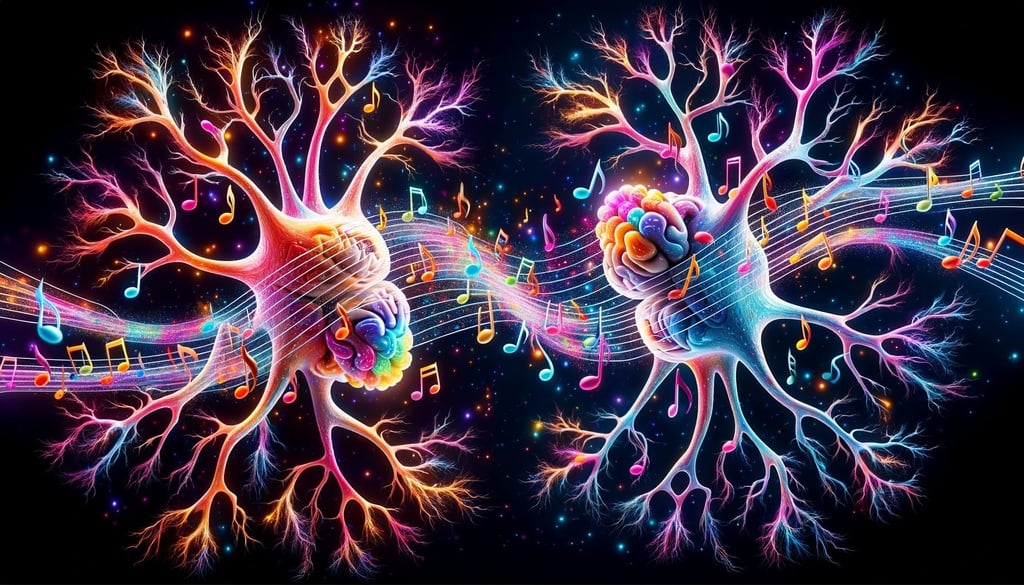
AI music composition relies on sophisticated machine learning algorithms, particularly deep learning models. These models are trained on vast datasets of existing music, learning patterns, styles, and structures from various genres and composers. By analyzing this data, the AI can then generate new musical pieces that mimic or build upon those patterns.
Here are some of the key technologies and tools used in AI music composition:
- Recurrent Neural Networks (RNNs): These are excellent for processing sequential data, like music, because they have memory of past inputs, allowing them to create melodies and harmonies that evolve over time.
- Generative Adversarial Networks (GANs): GANs involve two neural networks: a generator that creates music and a discriminator that evaluates its quality. They work together to improve the music's realism and coherence.
- Transformers: Originally developed for natural language processing, transformers are now being applied to music composition. They can capture long-range dependencies in music, resulting in more complex and structured compositions.
- Specific Software and Platforms: Several companies and projects offer AI music composition tools, such as Amper Music, Jukebox (by OpenAI), AIVA, and Google's Magenta. These platforms allow users to input parameters like genre, tempo, and mood, and then generate original music based on those specifications.
The process typically involves the following steps:
- Data Training: The AI model is trained on a large dataset of music.
- Parameter Input: The user specifies the desired characteristics of the music (e.g., genre, tempo, key).
- Music Generation: The AI generates a musical piece based on the input parameters and its training data.
- Refinement: The user can further refine the generated music by adjusting parameters or editing the AI's output.
While AI can create technically proficient music, the question remains whether it can truly capture the emotional depth and artistic expression of human composers. As AI technology advances, however, the line between human and machine-generated music is becoming increasingly blurred.
Copyright and AI: The Legal Battleground
The rise of AI-generated music has created a complex legal landscape, particularly in the realm of copyright law. The fundamental question is: who owns the copyright to a musical work created by an AI? Current copyright laws generally require human authorship. The U.S. Copyright Office, for example, has explicitly stated that it will not register works created solely by artificial intelligence.
However, the issue becomes murkier when humans are involved in the AI music creation process. Consider these scenarios:
- AI as a Tool: If a human uses AI software as a tool to compose music, and the human makes significant creative contributions, the human composer is likely to own the copyright. This is akin to using a synthesizer or digital audio workstation (DAW) to create music.
- AI as a Co-Creator: If the AI generates a substantial portion of the music with minimal human intervention, it's unclear who owns the copyright. Some legal scholars argue that the AI developer, the user who input the parameters, or no one may own the copyright.
- AI as Sole Creator: If the AI creates the music entirely on its own without any human input, it is unlikely that the work can be copyrighted under current laws.
Several lawsuits and legal challenges are emerging as AI-generated music becomes more prevalent. These cases will likely shape the future of copyright law and determine the rights of AI developers, users, and human composers. The key legal questions that need to be addressed include:
- What constitutes "human authorship" in the context of AI-generated works?
- How should copyright ownership be divided when both humans and AI contribute to a musical work?
- Should AI be granted legal personhood, allowing it to own copyrights?
The answers to these questions will have profound implications for the music industry and the future of creative expression.

The Impact on Music Royalties: Who Gets Paid?
The complexities of copyright ownership in AI-generated music directly impact the distribution of music royalties. Typically, royalties are paid to copyright holders, which include composers, songwriters, and publishers. However, when AI is involved, determining who should receive these royalties becomes a significant challenge.
Here's a breakdown of the potential scenarios and their implications for royalty distribution:
| Scenario | Copyright Owner(s) | Royalty Distribution |
| Human composer uses AI as a tool | Human composer | Human composer receives all royalties |
| AI and human co-create music | Unclear; potentially human composer, AI developer, or no one | Depends on legal precedent; may be split between human composer and AI developer, or royalties may be uncollectible |
| AI creates music entirely on its own | No one (under current laws) | Royalties may be uncollectible, or may be directed to a charity or public fund |
Several organizations are working on solutions to address the challenges of royalty distribution in AI-generated music. These include:
- Collecting Societies (e.g., ASCAP, BMI, SESAC): These organizations are exploring ways to identify and track AI-generated music and develop systems for distributing royalties fairly.
- AI Music Platforms: Some AI music platforms are creating their own royalty models, which may involve sharing royalties with human users who provide input or training data for the AI.
- Blockchain Technology: Blockchain could be used to create a transparent and secure system for tracking copyright ownership and distributing royalties in AI-generated music.
The debate over royalty distribution in AI music is ongoing, and there is no easy answer. However, it's clear that new models and legal frameworks are needed to ensure that creators are fairly compensated for their work, whether human or artificial.

The Future of Music Creation: Collaboration or Competition?
The rise of AI ghost composing raises fundamental questions about the future of music creation. Will AI replace human composers, or will it become a collaborative tool that enhances human creativity? The answer is likely a combination of both.
Here are some potential scenarios for the future of music creation:
- AI as a Creative Assistant: AI could become an indispensable tool for composers and songwriters, helping them generate ideas, explore new musical styles, and overcome creative blocks.
- AI as a Co-Composer: AI could collaborate with human composers on equal footing, with each contributing unique skills and perspectives to the creative process.
- AI as a Genre Creator: AI could generate entirely new genres of music that are impossible for humans to create on their own, pushing the boundaries of musical expression.
- AI as a Personalized Music Provider: AI could create personalized music experiences tailored to individual listeners' tastes and preferences.
However, there are also potential risks associated with the increasing use of AI in music creation:
- Job Displacement: AI could displace human composers and musicians, particularly those who work in commercial music production.
- Devaluation of Human Creativity: The ease with which AI can generate music could lead to a devaluation of human creativity and artistic expression.
- Copyright Infringement: AI could inadvertently generate music that infringes on existing copyrights, leading to legal challenges.
Ultimately, the future of music creation will depend on how we choose to use AI technology. If we embrace AI as a tool for collaboration and creativity, it has the potential to enrich the music landscape and empower human artists. However, if we allow AI to dominate the creative process, we risk losing the human element that makes music so powerful and meaningful. It is critical that policymakers, industry leaders, and artists engage in thoughtful discussions about the ethical and legal implications of AI in music to ensure a fair and sustainable future for all creators.
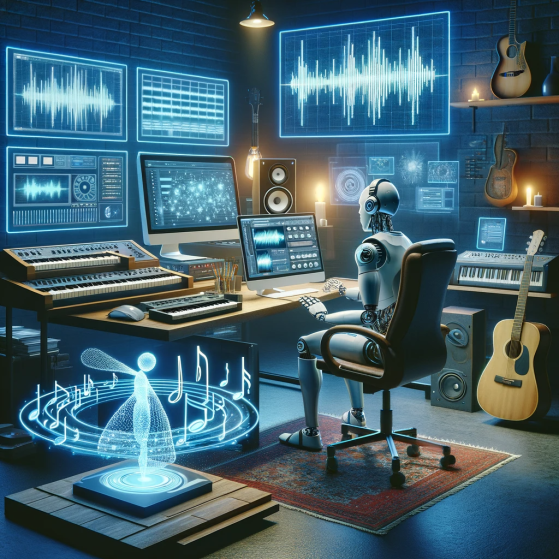
So, let's embrace this new era of musical collaboration and see what incredible symphonies AI and human creativity can compose together!
-YourDad


Comments
Post a Comment