Thrift Store Archaeology: Unearthing Hidden History in Decorating Disasters
Introduction: More Than Just Secondhand
Thrift stores – those havens of pre-loved goods – are more than just places to find a bargain. They're veritable archaeological sites, brimming with artifacts from bygone eras just waiting to be rediscovered. Beyond the racks of questionable clothing and stacks of mismatched dishes lies a potential treasure trove of historical décor, offering a unique opportunity to infuse your home with personality and a story. But navigating the world of thrift store decorating can feel like sifting through rubble. Fear not! This guide will arm you with the knowledge and techniques to transform decorating disasters into historically-inspired masterpieces.
Think of it as Thrift Store Archaeology. You're not just buying secondhand items; you're excavating pieces of the past, each with its own story to tell. These items, often overlooked and discarded, hold clues to previous lives, design trends, and cultural shifts. By learning to recognize their potential, you can unearth hidden beauty and create a home that’s not only stylish but also deeply meaningful.
So, grab your metaphorical trowel and brush, and let's begin our excavation. We'll explore how to identify valuable vintage finds, restore them to their former glory (or give them a modern twist), and incorporate them seamlessly into your existing décor. Get ready to transform decorating disasters into historical treasures!

Decoding the Decorating Disaster: Identifying Historical Gems
The first step in thrift store archaeology is learning to distinguish between a genuine historical find and, well, just plain junk. It's easy to get overwhelmed by the sheer volume of items, but with a keen eye and a little knowledge, you can quickly identify pieces with potential. Here are some key things to look for:
- Construction and Materials: Pay attention to how the item is made. Solid wood construction, dovetail joints, and high-quality materials like brass or copper are often indicators of older, well-made pieces.
- Hallmarks and Markings: Look for any stamps, labels, or signatures that might indicate the maker or the period of origin. These markings can provide valuable clues about the item's history and value. Researching these markings can be a fascinating rabbit hole!
- Style and Design: Familiarize yourself with different design eras. Knowing the characteristics of Art Deco, Mid-Century Modern, or Victorian styles will help you quickly identify pieces from those periods.
- Condition (with a grain of salt): Don't be immediately turned off by minor damage. Scratches, chips, and worn finishes can often be repaired or incorporated into the item's character. However, be wary of structural damage that would be difficult or costly to repair.
Consider the potential of the item. Can that chipped vase be repurposed as a unique planter? Could that faded tapestry be transformed into stunning wall art? Think creatively and don't be afraid to see beyond the current state of the object.
Tools like Google Lens can be incredibly useful for quickly identifying styles or makers by simply taking a photo of the item. Also, apps like Pinterest can provide inspiration for how to repurpose and style vintage finds.
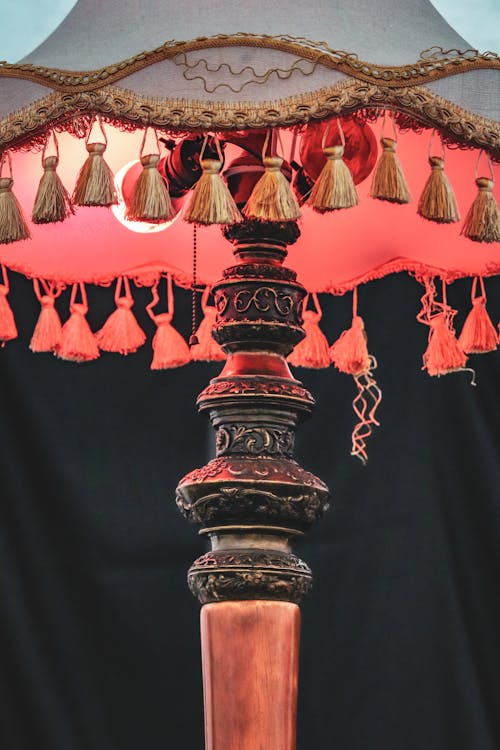
Restoration vs. Reinvention: Giving New Life to Old Treasures
Once you've unearthed your historical gems, the next step is deciding how to bring them back to life. Do you opt for a faithful restoration, preserving the item's original character, or a creative reinvention, giving it a modern twist? The answer depends on the item itself, your personal style, and the overall aesthetic you're trying to achieve.
Restoration: This approach focuses on returning the item to its original condition. This might involve cleaning, repairing damage, and refinishing surfaces. Restoration is a great option for items that are historically significant or have sentimental value. For example, restoring an antique wooden chair might involve carefully stripping away old paint, repairing any broken joints, and applying a new coat of varnish.
Reinvention: This approach involves transforming the item into something new and different. This might involve painting it a new color, repurposing it for a different function, or adding modern elements. Reinvention is a great option for items that are damaged beyond repair or that simply don't fit your current style. For example, an old suitcase could be repurposed as a side table, or a vintage window frame could be transformed into a unique piece of wall art.
| Approach | Description | Best For |
|---|---|---|
| Restoration | Returning an item to its original condition. | Historically significant items, items with sentimental value. |
| Reinvention | Transforming an item into something new and different. | Damaged items, items that don't fit your current style. |
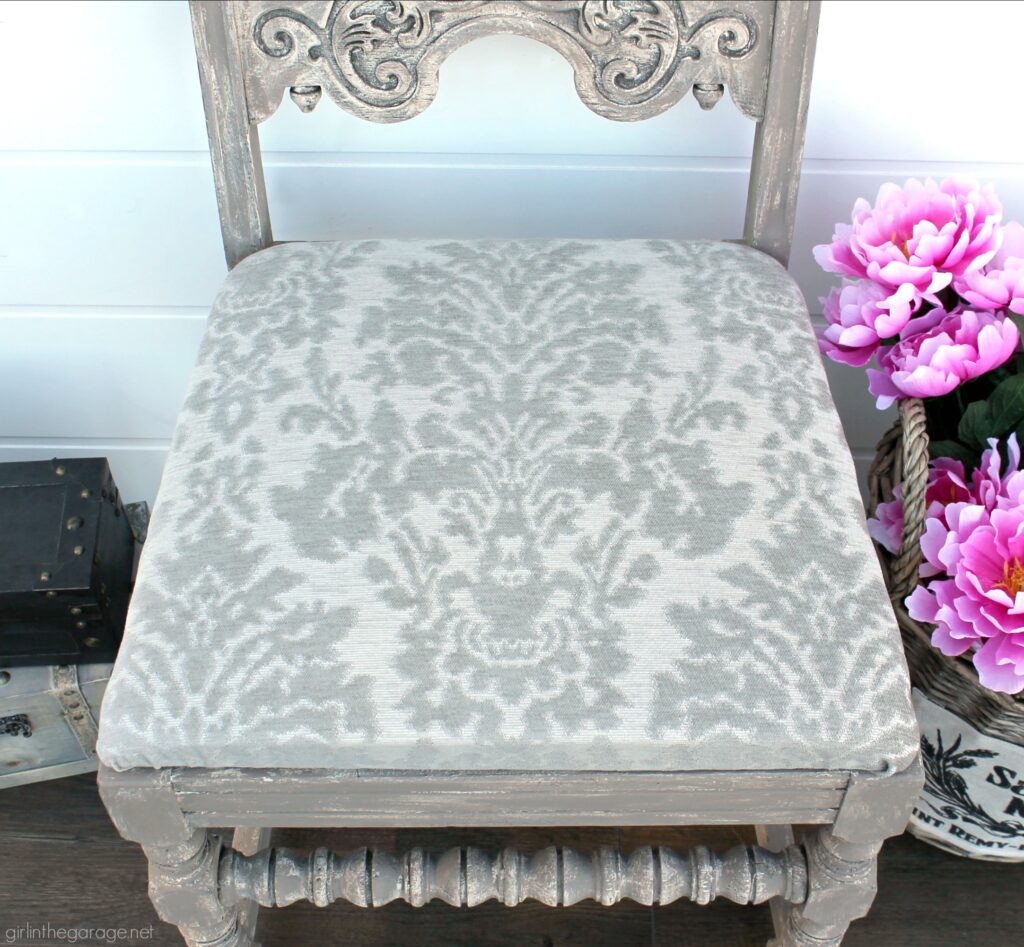
Weaving History into Your Home: Incorporating Vintage Finds
Now comes the fun part: incorporating your thrift store treasures into your existing décor. The key is to create a cohesive look that blends the old with the new. Here are some tips for seamlessly weaving history into your home:
- Start Small: Don't try to overhaul your entire home at once. Begin by adding a few key pieces and see how they look. A vintage mirror in the entryway, a retro lamp on a side table, or a collection of antique teacups on a shelf can add a touch of history without overwhelming the space.
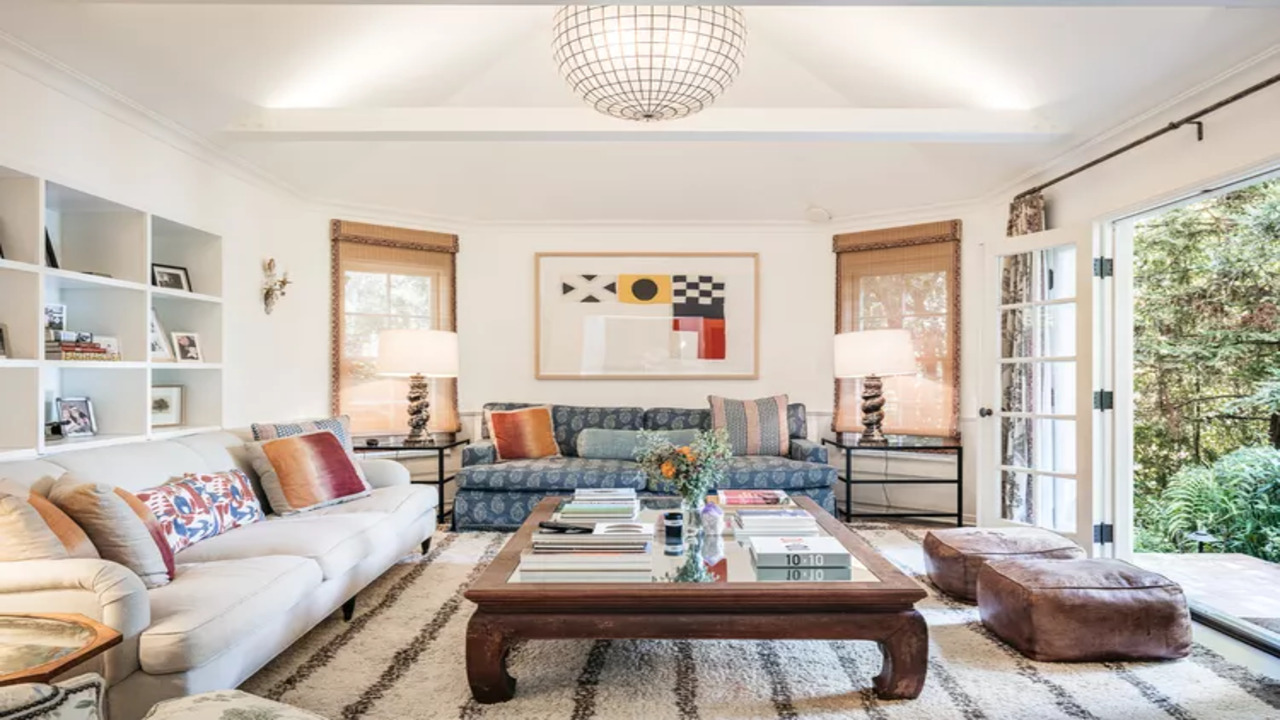
- Mix and Match: Don't be afraid to mix different styles and eras. A modern sofa can look stunning paired with a vintage coffee table. The contrast between the old and the new can create a visually interesting and dynamic space.
- Create Focal Points: Use your most striking vintage finds as focal points. A large antique painting can become the centerpiece of a living room, or a vintage dresser can be the star of a bedroom.
- Pay Attention to Scale: Make sure the size of your vintage pieces is appropriate for the space. A large antique armoire might overwhelm a small bedroom, while a tiny vintage figurine might get lost in a large living room.
Consider the color palette. Do your vintage finds complement the existing colors in your home? If not, consider repainting or reupholstering them to create a more cohesive look. Sites like Coolors can help you generate color palettes that work well together.
Avoiding the Pitfalls: Common Mistakes and How to Sidestep Them
Thrift store archaeology can be incredibly rewarding, but it's also easy to make mistakes. Here are some common pitfalls to avoid:
- Buying Without Measuring: Always measure the space where you plan to put a vintage item before you buy it. Nothing is more frustrating than bringing home a beautiful piece only to discover that it doesn't fit.
- Ignoring Structural Damage: While minor cosmetic damage can often be repaired, structural damage is a red flag. Be wary of items with broken legs, wobbly joints, or significant cracks.
- Overlooking Upholstery Issues: Inspect upholstered furniture carefully for stains, tears, and odors. Replacing upholstery can be expensive, so it's important to factor that into the cost of the item.
- Getting Carried Away: It's easy to get caught up in the excitement of thrift store shopping and buy things you don't really need. Stick to your budget and your overall design plan to avoid clutter.
Before making a purchase, ask yourself: Do I love this item? Does it fit my style? Do I have a place for it in my home? If you can answer yes to all of these questions, then it's likely a worthwhile find.
Remember to check the return policies of the thrift store before you buy anything. Some stores offer returns or exchanges, while others have a strict no-return policy.

Conclusion: Your Home, a Living Museum
Thrift store archaeology is more than just a decorating trend; it's a way to connect with the past, express your individuality, and create a home that's filled with stories. By learning to recognize the potential in overlooked items, you can transform decorating disasters into historical treasures and create a space that's both stylish and meaningful.
So, the next time you visit a thrift store, remember that you're not just shopping for secondhand goods; you're embarking on an archaeological adventure. With a little patience, a keen eye, and a willingness to get creative, you can unearth hidden gems and create a home that's a true reflection of your unique style and appreciation for history.
Happy excavating!
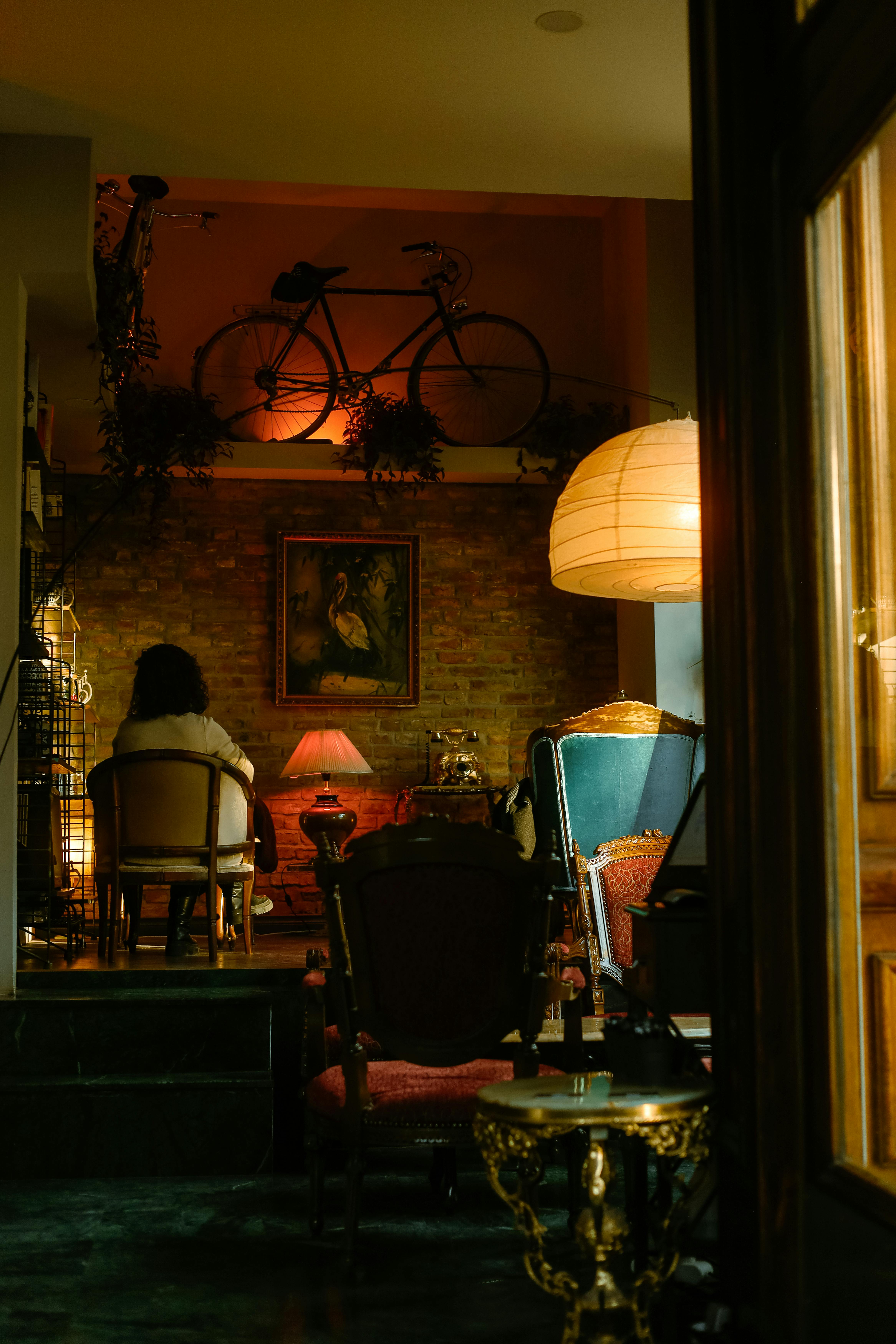
So go forth, embrace the quirky, and let your next thrift store find tell its own incredible story in your home!
-YourDad


Comments
Post a Comment