AI-Powered Music: Custom Soundscapes for Wellness & Income in 2025
The Rise of AI in Music Creation
Artificial Intelligence (AI) has radically transformed music creation, making waves in the industry with its capacity to develop unique soundscapes. As we approach 2025, AI's role in music is expanding beyond creativity, offering solutions for wellness and financial opportunities.
AI music programs, such as AIVA and Amper Music, utilize algorithms to generate compositions that are indistinguishable from human-made music. These tools are becoming increasingly popular among artists, producers, and businesses seeking cost-effective and innovative music solutions.
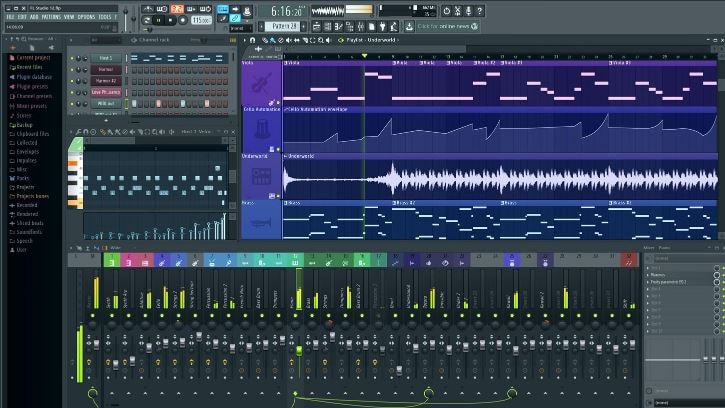
Custom Soundscapes for Wellness
The demand for therapeutic music has grown as people seek ways to enhance mental well-being through sound. AI can tailor soundscapes to individual preferences, factoring in mood, environment, and personal history to create personalized auditory experiences.
Apps such as Endel and Mubert are leading the charge, employing AI to generate sound environments that help improve focus, reduce stress, and promote relaxation. These AI-driven applications can also analyze user data to offer dynamic, evolving soundscapes that adapt over time to the user's needs.

Passive Income Streams with AI Music
Beyond personal wellness, AI-generated music offers artists and entrepreneurs new avenues for passive income. Platforms like Epidemic Sound and AudioJungle allow creators to sell AI-composed tracks for use in films, ads, and digital content, democratizing music licensing and distribution.
Musicians and hobbyists can leverage AI to produce high-quality music without requiring an extensive background in music theory. By using AI tools, creators not only save time but also explore innovative musical styles that might not be feasible with traditional methods.

The Ethical Considerations of AI-Generated Music
While AI facilitates creativity, it also raises ethical concerns, particularly regarding copyright and authenticity. Who owns the rights to a piece created by AI? And how do we ensure fair recognition for artists who use AI as a tool?
The music industry is actively engaging in discussions around proper attribution and copyright laws to protect creators and ensure equitable monetization. As technology evolves, these frameworks will be critical in balancing innovation with ethical standards.

The Future of AI in Music
Looking ahead to 2025, AI is expected to continue reshaping the music landscape. Innovations may lead to features like real-time personalized concerts or dynamic mood-based playlists that adapt to user emotions as detected by wearable technology.
Moreover, we can anticipate further integration of AI in collaborative platforms, enabling musicians from across the globe to create together effortlessly. This will not only enhance creativity but also foster cultural exchange, introducing diverse musical influences into the mainstream.

As we embrace the harmonious blend of technology and creativity, let's tune into the endless possibilities AI-powered music offers for personal well-being and financial growth in 2025 and beyond.
-YourDad


Comments
Post a Comment