From Farm to Fridge: How QR Codes Can Turn Your Grocery Cart into a Personalized Culinary Adventure
Introduction to QR Codes in Grocery Shopping
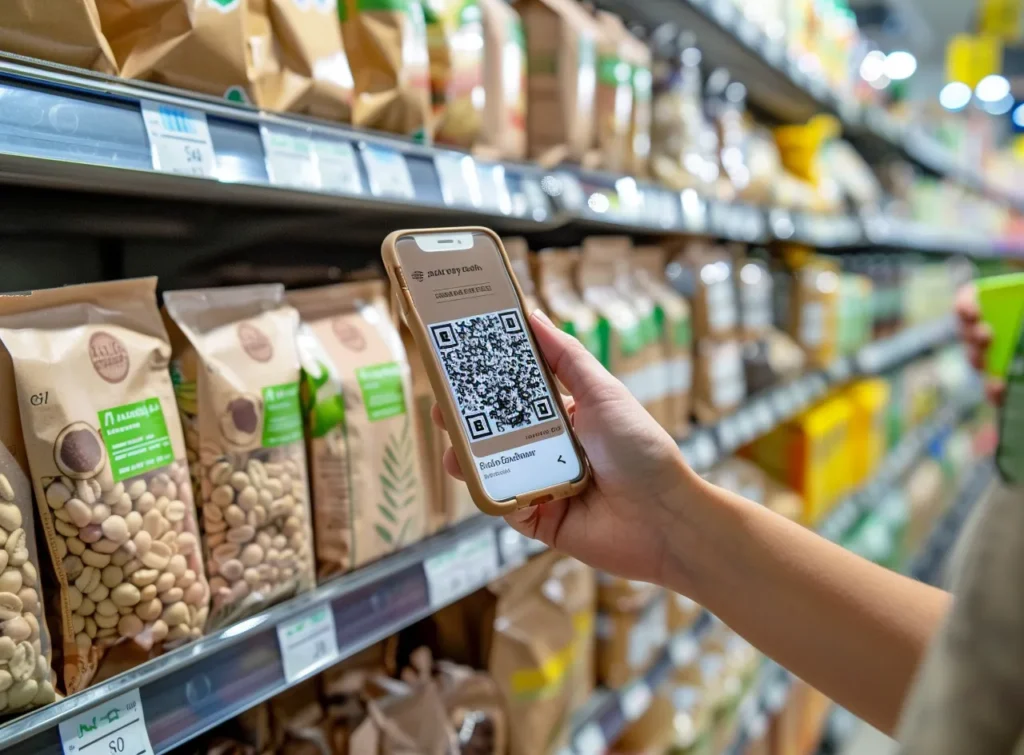
In today's digital age, QR codes have become a ubiquitous tool, transforming various industries by bridging the gap between the physical and digital worlds. In the realm of grocery shopping, QR codes are revolutionizing how consumers interact with products, offering a personalized culinary adventure from farm to fridge. By scanning these codes, shoppers can access a wealth of information about the products they purchase, from nutritional details to the journey of the food from its origin to the store shelf.

The Journey of Food: From Farm to Fridge
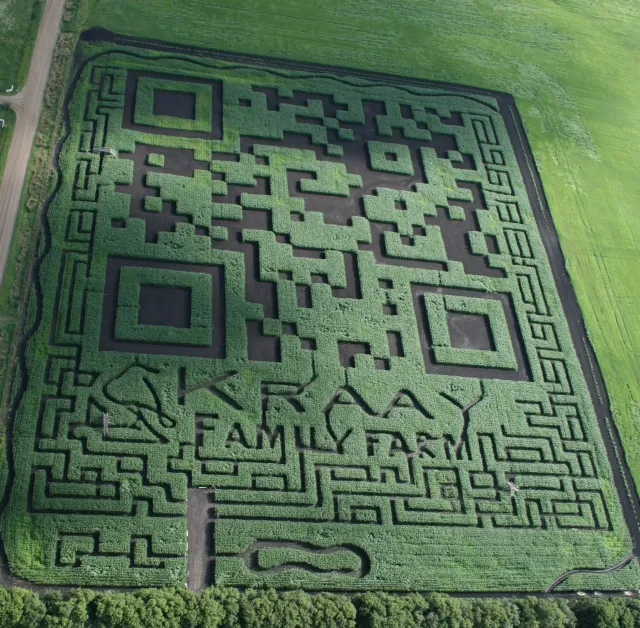
The journey of food from farm to fridge is a complex process involving multiple stages, including farming, processing, packaging, and distribution. QR codes provide transparency in this journey, allowing consumers to trace the origins of their food. By scanning a QR code, shoppers can learn about the farm where the produce was grown, the methods used in its cultivation, and even the farmers involved. This transparency not only builds trust but also empowers consumers to make informed choices about the food they consume.
Enhancing Nutritional Awareness
One of the significant benefits of QR codes in grocery shopping is the enhancement of nutritional awareness. By scanning a QR code on a food package, consumers can access detailed nutritional information, including calorie count, ingredients, and potential allergens. This feature is particularly beneficial for individuals with specific dietary needs or restrictions, enabling them to make healthier choices effortlessly.
- Access to detailed nutritional information
- Identification of potential allergens
- Support for dietary restrictions

Personalized Culinary Experiences
QR codes can transform a simple grocery shopping trip into a personalized culinary adventure. By scanning the codes, consumers can access recipes tailored to the products they purchase. For instance, buying a pack of pasta might lead to a variety of recipe suggestions, from classic Italian dishes to innovative fusion cuisine. This personalization not only enhances the shopping experience but also encourages culinary exploration and creativity in the kitchen.

Environmental Impact and Sustainability
QR codes also play a crucial role in promoting sustainability and reducing environmental impact. By providing information on the environmental practices of food producers, consumers can make eco-friendly choices. For example, a QR code might reveal whether a product is organic, sustainably sourced, or produced using environmentally friendly methods. This transparency encourages producers to adopt sustainable practices, knowing that consumers are increasingly prioritizing environmental responsibility.
Technological Integration and Future Prospects
The integration of QR codes in grocery shopping is just the beginning of a broader technological transformation in the retail sector. As technology advances, we can expect even more innovative uses of QR codes, such as augmented reality experiences that provide virtual tours of farms or interactive cooking classes. Retailers are also exploring the use of QR codes for contactless payments, enhancing convenience and safety for consumers.

Conclusion: Embracing the QR Code Revolution
As QR codes continue to reshape the grocery shopping experience, consumers are empowered with more information and choices than ever before. From enhancing nutritional awareness to promoting sustainability, QR codes offer a myriad of benefits that transform the way we shop and consume food. By embracing this technology, shoppers can embark on a personalized culinary adventure, making informed decisions that align with their values and preferences.

So, as you embark on your next grocery trip, let each scan of a QR code be the start of a delicious journey, turning every meal into a story worth savoring.
-YourDad


Comments
Post a Comment